 Bellingham Roofing
 Happy Valley's Exterior Challenges Are Different From the Rest of Bellingham
Happy Valley sits close enough to the water and the surrounding tree cover that homes here take a particular kind of beating over the years. It's not one dramatic storm that does the damage — it's the slow, steady combination of salt-tinged air drifting in off the bay, driving rain that comes in sideways during a Whatcom County winter, and a moss season that seems to start earlier and last longer every year. We've worked on enough homes in this neighborhood to know that what looks like a small cosmetic issue on a roof or a piece of siding is often the early sign of something moisture-related working its way into the structure underneath.
Roofing Contractor has been doing exterior work — roofing, siding, windows, and decks — for homes throughout Bellingham and greater Whatcom County. Happy Valley isn't a neighborhood we drive through on the way to somewhere else. It's part of our regular service area, and that matters more than people realize when it comes to exterior work.
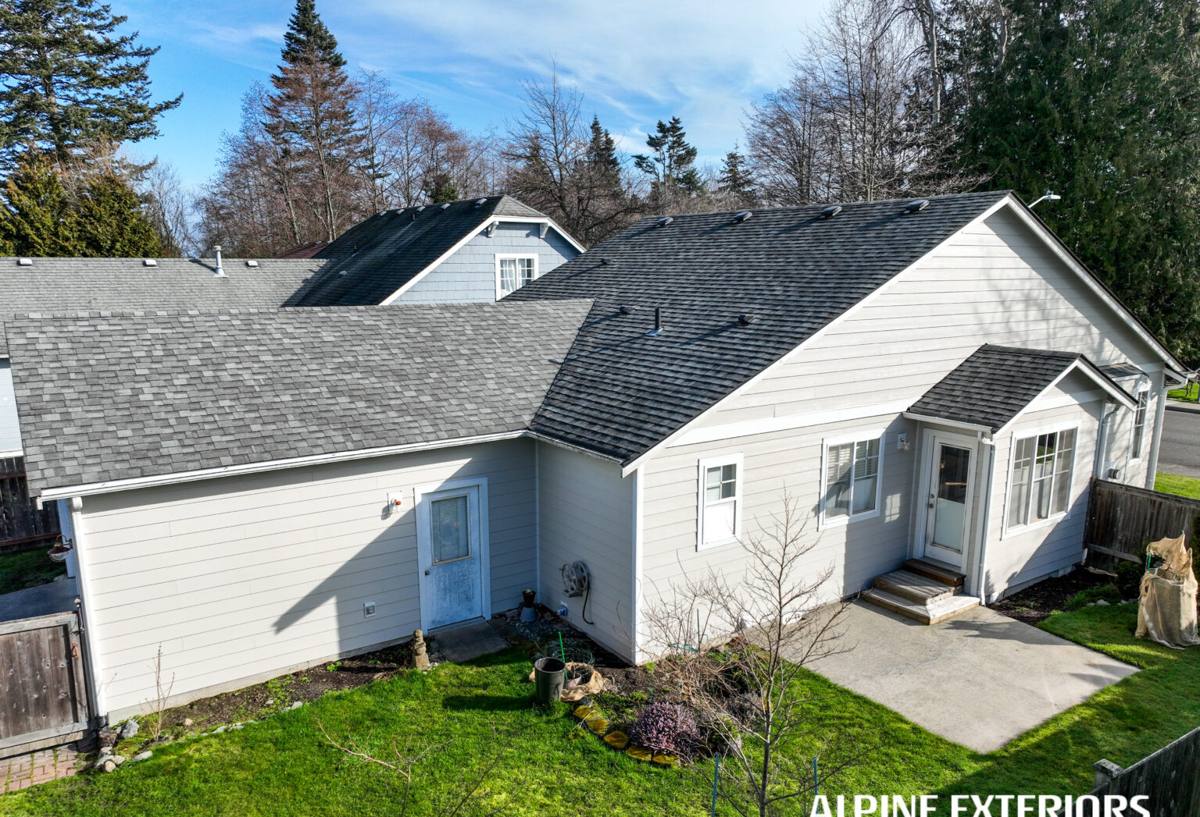
Why Salt Air and Moisture Matter More Here
Homes closer to Bellingham Bay deal with airborne salt in a way that inland properties simply don't. Salt is corrosive to exposed metal — flashing, fasteners, gutter hardware, even some lower-grade roofing accessories. Over years, that corrosion can weaken the small connection points that keep a roofing or siding system watertight. It's rarely the fastener itself that fails outright; it's that a corroded fastener backs out slightly, opens a gap, and lets water in behind the material where you can't see it.
Combine that with the region's rainfall pattern — long stretches of steady, driving rain rather than short bursts — and you get a climate that punishes any weak point in an exterior envelope. Water doesn't need a big opening to cause damage. It needs time and a small gap, and Whatcom County winters provide plenty of both.
What This Means for Roofing Materials and Fasteners
When we work on a roof in Happy Valley, we pay close attention to the metal components — flashing around chimneys and valleys, drip edge, and fasteners — because those are the pieces most affected by salt exposure over time. Using corrosion-resistant materials in these areas isn't an upsell; it's just the right call for a home in this location. We'd rather spec the right hardware once than have a homeowner deal with a slow leak five years down the road because a cheaper fastener corroded out of sight.
The Long Moss Season and What It's Actually Doing to Your Roof
Moss on a roof is more than a look most homeowners don't want. Moss holds moisture directly against roofing material, and in shaded, damp spots — which Happy Valley has plenty of, given the tree cover common in this part of Bellingham — that moisture doesn't dry out quickly. Over time, moss can lift shingle edges, hold water against the roof deck, and shorten the effective life of an otherwise sound roof.
The moss season here isn't a two-month event. Between the shaded lots, the marine-influenced humidity, and the mild winters, moss can establish itself and keep growing across most of the year if it's left unmanaged. We treat moss prevention and roof maintenance as part of the same conversation, not two separate services.
A Practical Moss and Debris Maintenance Checklist
- Clear overhanging branches back from the roofline where practical — less shade means less moisture retention
- Keep gutters and valleys free of needles and leaf litter, which trap moisture against the roof edge
- Have moss growth treated before it spreads across a full slope, not after
- Check for granule loss or bare patches where moss has been sitting the longest
- Have a roof inspected after the wettest stretch of winter, before spring growth takes hold
Roofing Work in Happy Valley
Whether it's a full roof replacement, a repair after storm damage, or a maintenance visit to deal with moss and flashing wear, our approach is the same: figure out what the roof actually needs, explain it in plain terms, and do the work with materials suited to this specific climate. We don't push one roofing system on every house. The right choice depends on the home's age, its roof pitch, how much shade and tree cover it has, and what the budget allows.
Roofing Material Considerations for a Coastal, Wooded Neighborhood
| Factor | Why It Matters in Happy Valley |
|---|---|
| Algae/moss resistance | Shaded lots and marine humidity accelerate growth; resistant materials reduce how often treatment is needed |
| Fastener and flashing corrosion resistance | Proximity to the bay means more airborne salt exposure over the life of the roof |
| Ventilation | Poor attic ventilation combined with a wet climate speeds up moisture problems from the inside out |
| Wind and rain sealing at edges/valleys | Driving rain finds weak points at transitions before it finds them anywhere else |
| Maintenance schedule | A realistic, honest maintenance interval matters more here than in drier climates |
Siding That Holds Up to Wind-Driven Rain
Siding on a Happy Valley home is doing more work than people give it credit for. It's not just the visible surface — it's the first line of defense against wind-driven rain finding its way behind the exterior wall. We look closely at how siding is installed at seams, corners, and around windows and doors, because a well-chosen siding product installed with sloppy flashing details will fail faster than a modest product installed correctly.
We install and repair a range of siding materials, and we're upfront about the trade-offs of each. Some products offer lower upfront cost but require more regular upkeep in a wet climate. Others cost more initially but hold paint and resist moisture intrusion longer, which can matter more for homes with heavy shade or limited sun exposure to dry things out between rain events. We'll walk through those trade-offs honestly rather than steering every homeowner toward the same product.
Common Siding Issues We See in This Area
- Paint or finish failure on the north- and west-facing walls that get the least direct sun
- Soft or discolored siding near ground level where splash-back and moisture linger
- Gaps at trim and window flashing that let wind-driven rain behind the surface
- Moss or algae staining on shaded sections of a home's exterior
Windows: Sealing Out Drafts and Moisture
Older windows in this part of Bellingham often show their age through drafts, fogging between panes, or soft trim around the frame — all signs that the seal has broken down over years of temperature swings and moisture exposure. Replacing windows isn't just about energy efficiency, though that's a real benefit in a home that gets a lot of damp, cool weather. It's also about closing off a common entry point for moisture that can damage framing and trim over time if left unaddressed.
When we replace windows, we pay close attention to flashing and sealing details around the opening, since a poorly installed window can undo the benefit of even a high-quality window unit. Proper installation matters as much as the product itself, especially with the rain patterns typical of Whatcom County.
Decks: Built for a Climate That Doesn't Give Wood a Break
A deck in Happy Valley deals with near-constant seasonal moisture, which means material choice and construction details matter more here than in drier parts of the country. Ground contact points, ledger board connections, and any spot where water can pool are the areas most likely to cause problems down the line if they're not built and sealed correctly from the start.
We build and repair decks with attention to drainage, proper flashing at the house connection, and materials suited to a wet climate. For homeowners weighing wood against composite decking, the honest answer is that both can perform well here — it comes down to how much upkeep you want to take on versus how much you're willing to spend upfront, and we're happy to walk through that trade-off in person.
Cost Factors to Discuss Before Starting Deck Work
| Factor | What Drives the Cost |
|---|---|
| Material choice | Wood vs. composite affects both upfront price and long-term maintenance |
| Ledger and flashing details | Proper waterproofing at the house connection is not optional in this climate |
| Deck size and layout | Multi-level decks or built-in features add labor and material |
| Existing structure condition | Repair vs. full rebuild depends on how much of the substructure is sound |
Why a Local Crew Makes a Real Difference
Anyone can look at a roof or a wall of siding and tell you it needs work. What's harder to get right is understanding why a particular home in a particular neighborhood is failing where it is. A crew that works throughout Bellingham and Whatcom County regularly sees how these climate patterns play out differently street to street — which slopes hold moss longest, which orientations take the worst of the wind-driven rain, which older homes in this area tend to have similar flashing details that need attention. That familiarity shapes better recommendations and fewer surprises.
It also means shorter response times for estimates, inspections, and follow-up work, since we're not coordinating a crew from across the region every time a Happy Valley homeowner needs something looked at.
What to Expect When You Reach Out
We start with a straightforward inspection and an honest conversation about what we find — no pressure to sign anything on the spot. If a repair is enough to solve the problem, we'll say so. If a full replacement makes more financial sense given the age and condition of the existing roof, siding, windows, or deck, we'll explain why and lay out the options at different price points.
If you're in Happy Valley and dealing with a roof that's holding onto moss longer than it used to, siding that's showing its age, drafty windows, or a deck that needs attention before another wet Bellingham winter sets in, we're glad to take a look. Reach out for a free, no-pressure estimate using the form below.