 Bellingham Roofing
 Roof Repair in Happy Valley: What Your Home Is Up Against
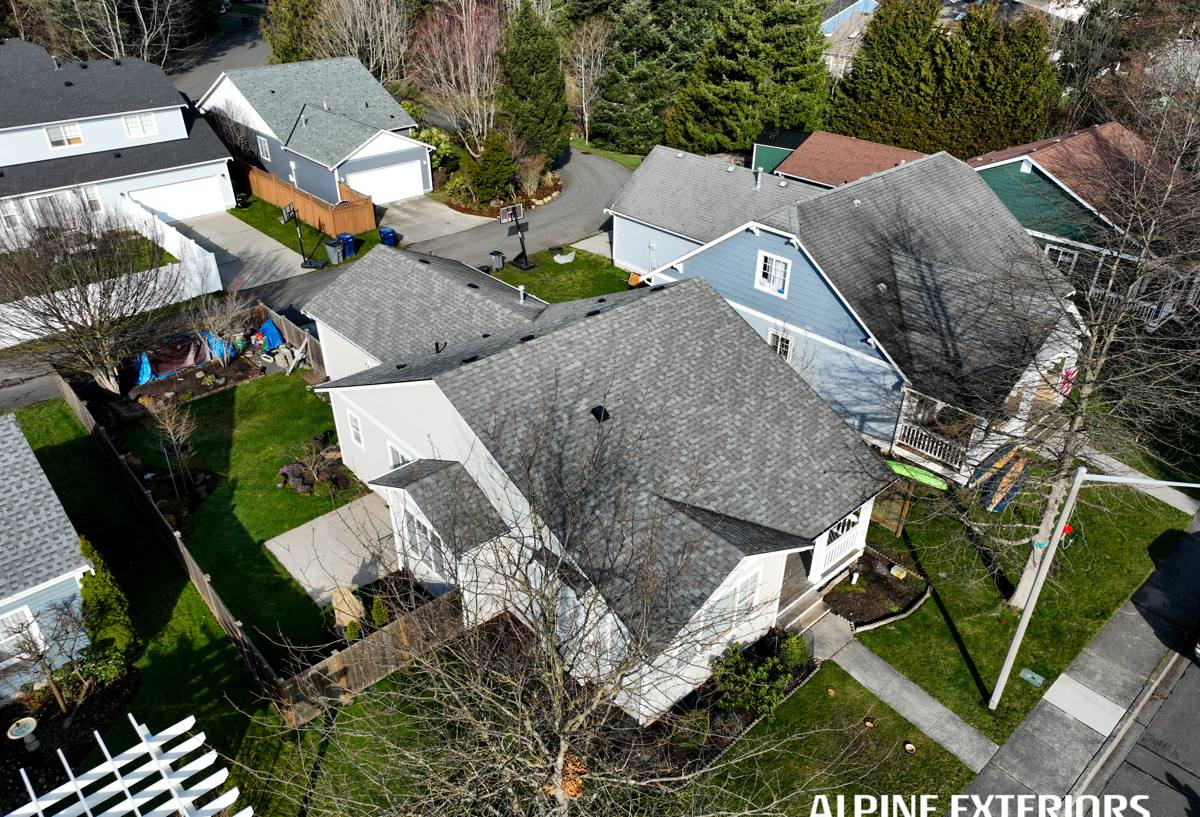
Happy Valley sits close enough to Bellingham Bay and the surrounding tree cover that its roofs take a different kind of beating than roofs a few miles inland. The neighborhood's mix of older homes and newer infill means we see everything from original wood shake substrate hidden under later re-roofs to ten-year-old architectural shingle roofs already showing early wear. What ties them together is the climate: salt-laden air off the bay, wind-driven rain that finds every weak seam, and a moss season that runs longer here than in drier parts of Whatcom County. A roof repair done right in this neighborhood accounts for all three, not just the leak in front of you.
Why Bellingham's Climate Is Tough on Happy Valley Roofs
Salt Air Off the Bay
Homes within a few miles of Bellingham Bay are exposed to airborne salt, especially during winter storms with onshore wind. Salt accelerates corrosion on exposed metal — flashing, fasteners, gutter hangers, and vent caps — faster than it would inland. A repair that reuses corroded fasteners or bare-steel flashing is a repair that fails again in a few years, not a fix.
Driving Rain and Wind
Whatcom County doesn't just get rain, it gets rain pushed sideways by wind off the water. That matters for repair work because a leak's entry point is often several feet from where the stain shows up inside. Wind-driven water travels along the underside of shingles and up under flashing laps before it finds a nail hole or seam to exploit. Chasing the visible stain instead of the actual entry point is the single most common reason a "repaired" roof leaks again the next storm.
A Long Moss Season
Mature trees and cooler, damp shade in parts of Happy Valley mean moss and algae get a longer growing window than they would on a south-facing roof out in the open. Moss doesn't just look bad — it lifts shingle edges, holds moisture against the roof deck, and works its way under flashing over time. By the time moss is visible from the ground, it's often already been doing damage for a season or two.
Common Repair Issues We Find in This Neighborhood
Every roof is different, but certain problems show up again and again on Happy Valley service calls. The table below covers what we see most often, why it happens here specifically, and what a correct repair addresses.
| Issue | Why It Happens Here | What a Correct Repair Addresses |
|---|---|---|
| Lifted or missing shingles at ridges and edges | Sustained wind off the bay works loose fasteners and sealant strips over time | Re-securing with proper fastener pattern, fresh sealant, and matching shingle stock |
| Moss-related shingle lift | Shaded, damp areas under tree cover hold moisture longer | Careful moss removal (not aggressive scraping), treatment, and repair of any lifted or granule-stripped shingles underneath |
| Flashing leaks at chimneys, skylights, and walls | Salt-air corrosion and repeated wind-driven rain stress the seams | Full flashing replacement with corrosion-resistant material, not caulk-only patch jobs |
| Valley leaks | Valleys concentrate water volume, especially in longer, harder rain events | Checking underlayment condition, not just surface metal, before resealing |
| Gutter and fascia rot at the eaves | Overflow from moss-clogged gutters saturates wood over multiple wet seasons | Repair or replacement of damaged wood, plus gutter clearing so the fix actually lasts |
What a Correct Roof Repair Actually Involves
Diagnosis Before Patching
The most important part of any roof repair happens before a single shingle gets touched. We trace the leak path from the interior stain or attic evidence back to its actual source, which in wind-driven rain conditions is often not directly above the damage. Patching the visible symptom without finding the real entry point is a short-term fix that costs more in the long run.
Matching Materials and Flashing Details
Mismatched shingles are an obvious cosmetic problem, but the bigger issue is flashing. Reusing old, corroded flashing to save a step is a common shortcut we won't take — in a salt-air environment, that flashing is often already compromised even if it looks intact. A correct repair replaces flashing with new, appropriately rated material and reintegrates it properly with the surrounding shingles and underlayment.
Checking Ventilation and the Deck Underneath
A leak that's been active for a while can affect the roof deck and attic ventilation, not just the surface. Part of a thorough repair is checking for soft or delaminated decking near the damage and confirming that attic airflow isn't trapping moisture that will just cause the same problem again from the inside.
Repair or Replace? How We Help You Decide
Not every roof problem in Happy Valley needs a full replacement, and we're not going to tell you it does. The honest answer depends on the roof's age, how widespread the damage is, and what condition the underlying materials are in. Here's a general framework for that conversation.
| Factor | Leans Toward Repair | Leans Toward Replacement |
|---|---|---|
| Roof age | Under 12-15 years, single localized issue | Nearing or past expected shingle lifespan |
| Extent of damage | Isolated to one section, flashing point, or valley | Widespread granule loss, multiple leak points |
| Deck condition | Solid decking under the affected area | Soft, delaminated, or rotted decking in multiple spots |
| Moss/algae history | Recent growth, shingles still structurally sound underneath | Years of uncontrolled moss with underlying shingle degradation |
If a repair is the right call, we'll say so and explain why. If the roof is past the point where a repair makes financial sense, we'll walk you through why, with specifics from the inspection rather than a generic sales pitch.
Our Process, Start to Finish
- Inspection. We look at the roof itself, the attic if accessible, and the areas around the reported leak, not just the spot you point out.
- Honest diagnosis. We explain what's actually causing the problem, in plain terms, before recommending a scope of work.
- Written scope and estimate. You know what's being done, what materials are used, and what it costs before work starts.
- The repair itself. Proper tear-out of the affected area, correct flashing and underlayment work, and matching materials wherever possible.
- Cleanup and walkthrough. We clear debris and go over what was done, including anything we noticed that's worth keeping an eye on going forward.
Materials We Use — and Why
For repair work in a salt-air, high-moss environment, we lean toward materials that hold up to those specific conditions rather than whatever's cheapest on the shelf. That generally means corrosion-resistant flashing metals over bare steel, algae-resistant shingle products where a full section needs replacing, and proper synthetic underlayment rather than older felt products that break down faster under sustained moisture exposure. We're upfront that some of these choices cost a bit more upfront — the trade-off is fewer repeat service calls for the same problem, which matters more in a climate like this one than it might elsewhere.
Why Local Experience in Happy Valley Matters
A crew that regularly works this neighborhood already knows what to expect before climbing the ladder: which roof orientations tend to hold moss longest, how wind off the bay tends to attack ridge lines and edges, and what a Bellingham winter does to a repair that wasn't done thoroughly the first time. That local pattern recognition shortens the diagnosis phase and reduces the chance of a callback. It also means we're familiar with the practical realities of working on Happy Valley's terrain and lot layouts — tree cover, hillside grading, and access — factors that affect how a repair job gets staged and completed safely.
A Simple Maintenance Checklist Between Repairs
Most emergency repair calls trace back to small, preventable issues that had months to get worse. A little seasonal attention goes a long way in this climate.
- Clear gutters and downspouts before the fall rains start, and again mid-winter if you're under trees
- Look for moss or dark streaking from the ground each spring and fall — don't wait until it's thick
- Check attic insulation and ventilation for signs of trapped moisture, especially after a wet winter
- Have flashing around chimneys, skylights, and vent pipes inspected every few years, sooner if the roof is older
- Address small leaks as soon as you notice them — a stain the size of a dinner plate today is a bigger repair in six months
If you're dealing with a leak, moss buildup, or just want a second opinion on a roof issue in Happy Valley, we're happy to take a look. The estimate is free, there's no pressure, and you'll get a straight answer about what your roof actually needs.