 Bellingham Roofing
 Living Close to the Water in Whatcom County
Homes in the Puget area, on the water side of Bellingham, deal with a different set of pressures than houses further inland in Whatcom County. Proximity to salt water means salt-laden air moves across roofs, siding, and trim almost constantly. Add in the long stretch of wet months typical to this part of Washington, and you get a combination that ages exterior materials faster than most homeowners expect. It's not dramatic damage in most cases — it's slow, steady wear that shows up as premature fading, corrosion on fasteners, soft spots in trim, and moss creeping across roof planes that never quite dry out.
We've worked on enough homes in this corridor to know that "built to code" and "built for this specific stretch of coastline" aren't always the same thing. A roof or siding job that would hold up fine twenty miles inland can underperform here if the materials and details weren't chosen with salt exposure and near-constant moisture in mind.
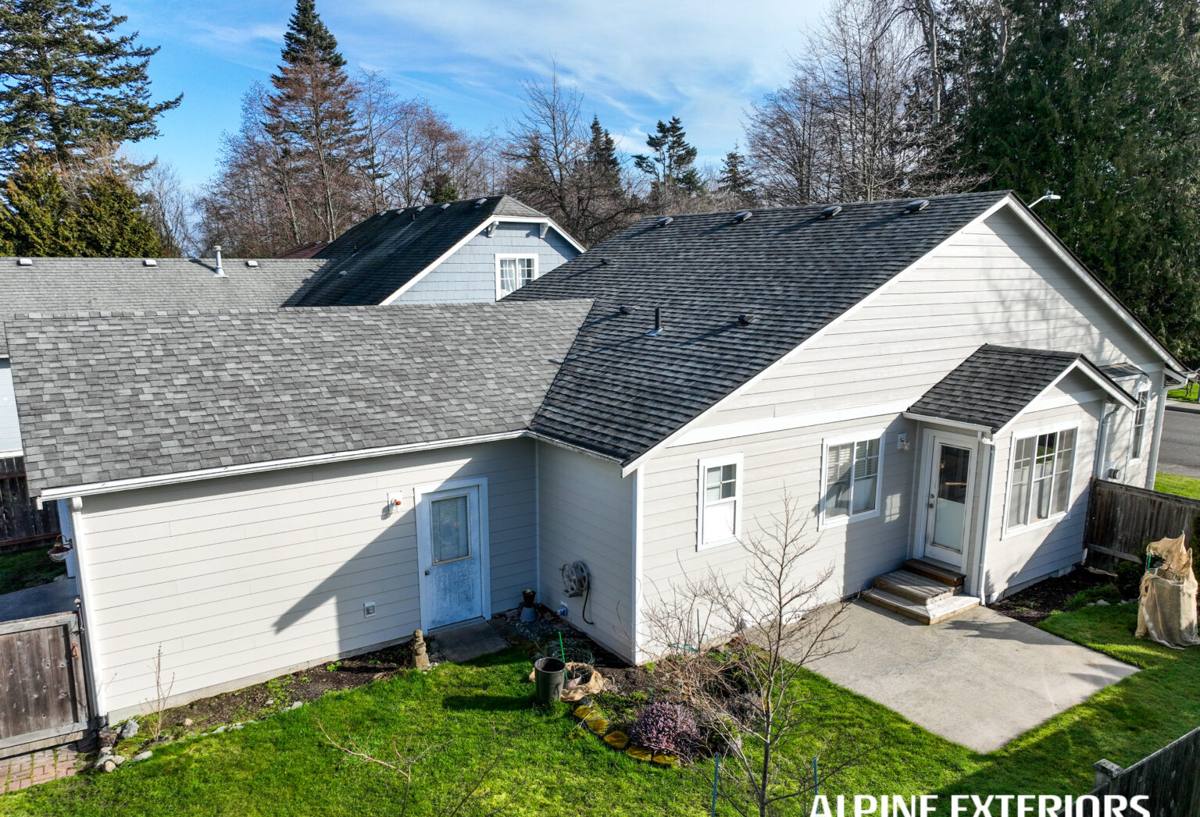
What Salt Air Actually Does to a Roof and Exterior
Salt air is corrosive to metal, and roofs have more exposed metal than people realize — nails, flashing, vent caps, gutter fasteners, and any exposed screws on metal roofing panels. Over time, salt exposure accelerates rust and corrosion at these points, which is often where leaks start. It's rarely the field of the roof that fails first; it's the fasteners and flashing details.
On siding, salt air combines with driving rain to work moisture into any gap, seam, or nail hole that isn't properly sealed or back-primed. Painted wood and some fiber cement products can hold up well here, but only when installation details — caulking, flashing, drainage gaps — are done right the first time. Cutting corners on those details doesn't show up as a problem in year one. It shows up in year four or five, when water has had time to work its way in.
Why Driving Rain Is a Different Problem Than Regular Rain
Driving rain, pushed sideways by wind off the water, gets under laps and behind trim that would otherwise shed a straight-down rain just fine. This is why we pay close attention to lap coverage, flashing overlaps, and window and door head flashing on homes in this area — details that matter less in more sheltered inland locations but matter a lot here.
Roofing for Puget-Area Homes
Most homes in this area are roofed in asphalt composition shingle, with a smaller number using metal or cedar. Each has trade-offs worth understanding before you decide what to repair or replace with.
| Roofing Material | How It Handles Salt Air & Rain | Typical Lifespan Here | Maintenance Load |
|---|---|---|---|
| Asphalt composition shingle | Good when properly ventilated; algae-resistant granules help slow moss/algae growth | 20–30 years | Low to moderate — periodic moss removal |
| Standing seam metal | Very good with proper coatings and stainless or coated fasteners; sheds moss well | 40–50+ years | Low — watch fastener condition over time |
| Cedar shake/shingle | Requires more upkeep in constant moisture; needs breathing room and regular treatment | 20–30 years with upkeep | Higher — cleaning, treatment, moss control |
We don't push one material as universally "best" — the right call depends on your roof's slope, sun exposure, tree cover, and budget. What we do insist on, regardless of material, is correct ventilation, quality underlayment, and flashing details sized for the amount of wind-driven rain this area actually sees.
Roof Repairs vs. Replacement
Not every issue means a full replacement. Isolated flashing failures, a handful of damaged shingles, or a leak at a single penetration are often repairable. We'll tell you plainly when a repair makes sense and when the roof's overall condition — widespread granule loss, multiple layers of aging shingles, soft decking — means a repair is just delaying an inevitable replacement at a higher eventual cost.
Siding: Managing Moisture Without Sacrificing Look
Siding choice in this area comes down to how well a product manages moisture at the seams and how much upkeep you're willing to commit to. We install and repair vinyl, fiber cement, and wood siding, and we're upfront that each has a different maintenance profile in this climate.
- Vinyl siding handles moisture well and needs little maintenance, but can fade over time under sun and salt exposure and is less repairable in isolated damage areas.
- Fiber cement holds paint well and resists moisture damage when installed with proper caulking and clearances, but it's heavier and less forgiving of installation mistakes.
- Wood siding offers a look many homeowners want in this area, but it demands the most consistent maintenance — repainting or restaining on a real schedule, not "when it looks bad."
Whatever the material, we treat the details the same way: proper house wrap, correct flashing above windows and doors, adequate ground clearance, and sealed penetrations. Those details are what actually keep driving rain and salt moisture out, more than the siding material itself.
Windows: Where Small Gaps Become Big Problems
Window leaks in this area rarely come from the window unit itself failing outright. They come from flashing and sealant around the window that was never installed to handle wind-driven rain, or that has degraded over years of salt exposure and sun. We see this often enough on older homes that we consider window flashing inspection a standard part of any exterior work in the Puget area, not an upsell.
When we replace windows, we pay as much attention to the flashing and integration with the surrounding siding or trim as we do to the window unit itself. A high-end window installed with poor flashing will leak; a mid-range window installed correctly usually won't.
Decks: Built for Wet Winters
Decks in this area face two challenges at once: near-constant dampness through the wetter months and salt air accelerating corrosion on fasteners and hardware. Untreated or poorly maintained wood decking can develop soft spots, especially where boards meet ledger boards or where debris collects and holds moisture.
Composite decking has become a popular option here because it resists moisture absorption and doesn't need staining or sealing on a schedule. It's a higher upfront cost than wood but a lower ongoing maintenance commitment — a trade-off worth discussing honestly rather than assuming one option is simply "better." For wood decks, we recommend stainless or coated fasteners given the salt air, and proper spacing and drainage under the deck itself.
Ledger Boards and Structural Connections
The ledger board — where a deck attaches to the house — is a common failure point in wet coastal climates because it's hard to inspect and easy to under-flash during original construction. If your deck is older and you've never had the ledger connection checked, it's worth having someone look before you assume the deck is structurally sound.
Moss, Algae, and the Realities of Whatcom County Maintenance
Moss and algae growth on roofs and north-facing siding is close to universal in this part of Washington, and the Puget area's proximity to water and tree cover doesn't help. Moss holds moisture against roofing material, works its way under shingle edges, and can shorten a roof's usable life if left unchecked for years. Algae streaking on siding is mostly cosmetic but can hint at areas holding excess moisture.
Regular, gentle moss removal — not pressure washing that strips granules or forces water under shingles — combined with zinc or copper strips at the ridge, is the most effective long-term approach we've found for slowing regrowth. We treat this as routine maintenance advice for basically every roof we work on in this region, not a special add-on.
Maintenance Checklist for Puget-Area Homes
- Inspect roof flashing and fasteners for corrosion at least once a year, especially after storm season
- Remove moss and debris from roof valleys and gutters before the wet months set in
- Check caulking and sealant around windows and doors annually — salt air and UV break it down faster here
- Keep an eye on siding near ground level and under decks, where moisture tends to sit longest
- Inspect deck ledger boards and fastener condition every couple of years, sooner if the deck is older
- Clear gutters and downspouts regularly so water isn't backing up under roof edges
Why a Local Crew Matters Here
A crew that works across Whatcom County day in and day out knows which details actually matter on this stretch of coastline versus which are generic best practices from a manual written for a different climate. That's the difference between a roof or siding job that's technically installed correctly and one that's installed correctly for this specific combination of salt air, driving rain, and moss season. We're not guessing at how this area behaves — we see it on every job.
Being local also means we're available for warranty follow-up and honest answers about maintenance, not a crew that did one job in the area and moved on. We handle roofing, siding, windows, and decks, which means we can look at a home's exterior as one connected system instead of treating each component in isolation — something that matters a lot when moisture problems often start at the connections between them.
If you're noticing moss buildup, siding wear, a window that's been leaking, or a deck that's showing its age, we're happy to take a look and give you a straightforward, no-pressure estimate. Use the form below to get started.