 Bellingham Roofing
 Why Puget Homes Wear Out Windows Faster
The Puget area sits close enough to the water that homes take a different kind of weathering than houses further inland. Salt-laden air corrodes hardware and finishes over time, wind-driven rain pushes moisture sideways into gaps that would stay dry in a calmer climate, and Bellingham's long, damp moss season keeps exterior surfaces wet for weeks at a stretch. Windows are one of the first places that shows up. Frames swell and stick, seals fail early, and single-pane or aging double-pane glass lets heat slide right out during the wet months when heating bills already climb.
None of this means Puget homes need exotic solutions. It means the details that get skipped on an easy inland install — flashing, drainage, sealant choice, frame material — matter more here, and cutting corners on any of them shows up faster than it would somewhere drier.
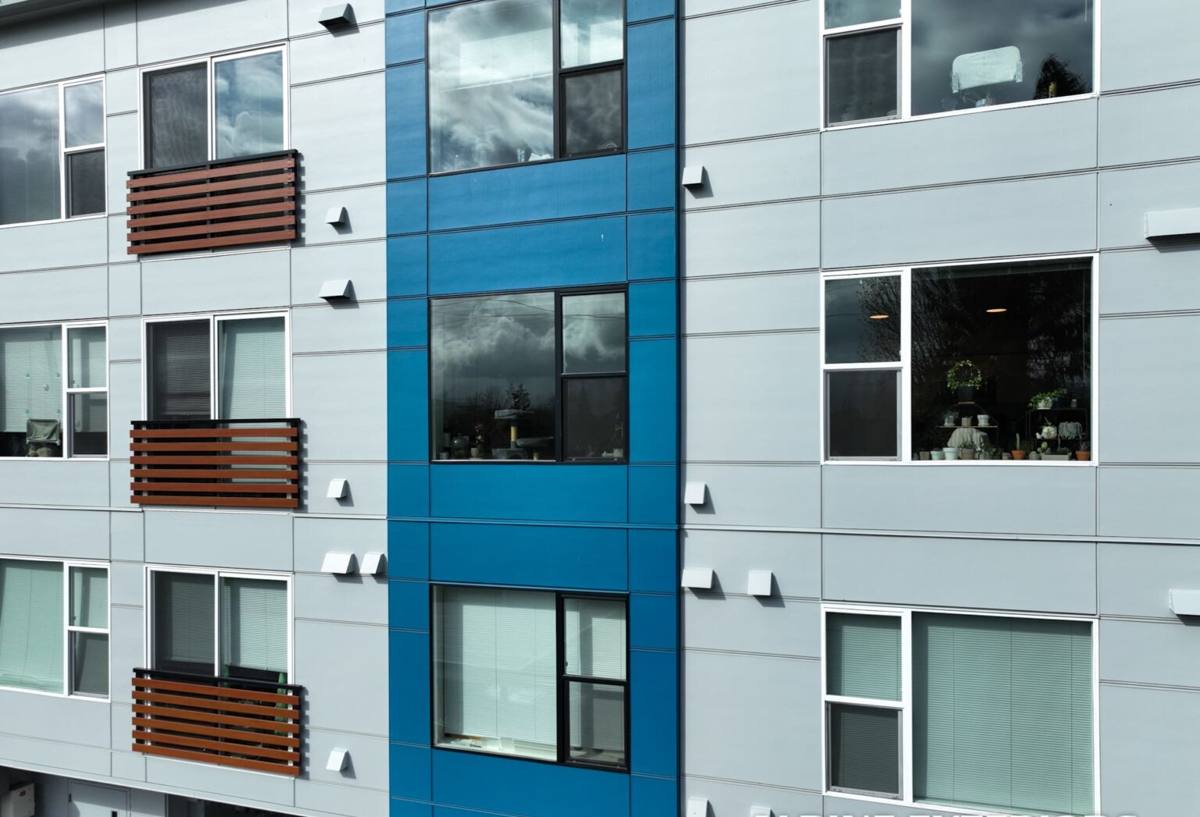
What "Energy-Efficient" Actually Means in a Rain-Belt Climate
Energy-efficient windows get marketed with a lot of numbers, but only a few of them matter for a Bellingham home. Understanding what each one does helps you evaluate a quote instead of just trusting a sales sheet.
U-Factor: The Number That Matters Most Here
U-factor measures how much heat escapes through the window. Lower is better. In a marine climate with mild but persistent cold and long stretches of overcast, damp weather, a strong U-factor matters more than it would in a climate with big temperature swings but lots of sun. Washington's energy code sets minimum performance standards for replacement windows, and any reputable installer should be able to walk you through what product lines meet or beat those minimums without guesswork.
Low-E Coatings and Glare Off the Water
Low-emissivity (low-E) coatings reflect heat back into the room in winter and block excess solar heat in summer. For homes with a water view or a lot of west-facing glass, the right low-E package also cuts glare without darkening the room, which matters on the rare clear days when the light off the Sound gets intense.
Gas Fills and Spacer Systems
Argon or krypton gas between panes slows heat transfer further, and the spacer that separates the panes affects both insulation and long-term seal life. In a climate with constant moisture cycling — wet mornings, drying afternoons, wet again by evening — a durable spacer system resists seal failure and the foggy-glass look that shows up in older insulated units.
Signs Your Current Windows Are Working Against You
Most homeowners don't replace windows because of a single dramatic failure. It's usually a slow accumulation of small problems that, taken together, mean the windows are costing more than they're worth to keep.
- Visible fogging or a milky haze between the panes (a failed seal, not a cleaning problem)
- Condensation forming on the inside of the glass regularly through fall and winter
- A noticeable draft when standing near the window on a windy day
- Frames that are soft, discolored, or slightly swollen, especially at the bottom corners
- Difficulty opening, closing, or locking a window that used to operate smoothly
- Visible moss or dark staining building up on the sill or exterior trim
- A jump in heating costs that isn't explained by anything else changing in the house
Any one of these can often be patched. Several of them together usually means the window assembly itself — not just the glass — has reached the end of its useful life.
Frame Materials: What Actually Holds Up Near Salt Air and Constant Moisture
Frame material choice matters more in a coastal, high-moisture climate than in most parts of the country. Each option has real trade-offs, and the right answer depends on your home's exposure, budget, and how much upkeep you want to take on.
| Frame Material | Moisture & Salt Air Behavior | Maintenance | Typical Trade-Off |
|---|---|---|---|
| Vinyl | Won't rot or corrode; performs well in coastal air | Low — occasional cleaning | Limited color/finish options, can look less refined on higher-end homes |
| Fiberglass | Very stable in wet, salty conditions; minimal expansion/contraction | Low | Higher upfront cost than vinyl |
| Wood-clad | Good performance if the cladding and seals stay intact; interior wood still needs protection from condensation | Moderate to high — finish and seals need periodic attention | Best interior appearance, but the highest long-term upkeep in a wet climate |
| Aluminum | Prone to condensation and corrosion in salt air unless thermally broken | Moderate | We generally steer homeowners away from non-thermally-broken aluminum this close to the water |
We don't push one material on every job. We'll tell you honestly which option fits your home's exposure, your budget, and how much maintenance you actually want to do a few years from now — not just what has the best margin.
What a Correct Installation Actually Involves
The window itself is maybe half the job. The other half is the flashing, sealing, and drainage detail that keeps wind-driven rain from finding its way behind the frame — which is exactly the failure mode we see most often on older installs in this area.
Flashing and Drainage
Proper installation means integrating the window into the wall's water management system, not just caulking around the edges. That includes correctly lapped flashing tape, a sloped sill pan so any water that does get behind the frame drains back out instead of pooling, and sealant used only where it belongs — sealing the wrong joint can trap moisture inside the wall instead of keeping it out.
Why This Matters More With Driving Rain
In a climate where rain regularly comes in sideways, a window that's air-sealed but poorly flashed can still let water into the wall cavity over time, causing rot that isn't visible until it's a much bigger repair. A window that's properly flashed but has mediocre glass will just cost you a bit more on heating — annoying, but not structural. Get the flashing wrong, and it doesn't matter how good the glass package is.
Our Process for Puget-Area Homes
- On-site assessment. We look at each window's exposure — is it facing prevailing wind and rain, shaded by trees and prone to moss, or on a wall that gets more sun than the rest of the house? Exposure affects both the recommendation and the installation detail.
- Accurate measurement and product selection. We measure for the actual opening, not a catalog size, and go over frame material, glass package, and U-factor options based on what that specific window needs to do.
- Removal and inspection. Once the old window comes out, we check the framing underneath for hidden water damage before anything new goes in — this is often where problems from a prior poor install turn up.
- Correct flashing and installation. Sill pan, flashing tape, air sealing, and insulation are installed to shed water outward, not trap it.
- Final check and cleanup. We confirm every window operates, locks, and seals properly, and we clean up the job site before we leave.
What Drives the Cost of a Window Project Here
Every home is different, but the same handful of factors drive most of the cost variation we see on Puget-area projects.
| Cost Factor | Why It Matters |
|---|---|
| Number and size of windows | More glass area and more openings mean more material and labor |
| Frame material | Vinyl, fiberglass, and wood-clad carry different material costs and installation time |
| Glass package | Double vs. triple pane, low-E coating tier, and gas fill all affect price |
| Access and story height | Second-story or hard-to-reach windows take longer and may need staging |
| Existing damage | Rot or water damage found during removal adds repair work before the new window can go in |
| Full-frame vs. insert replacement | Full-frame replacement (removing down to the rough opening) costs more but is sometimes the only correct fix for a poorly flashed original install |
Why It's Worth Hiring a Crew That Already Works This Area
Bellingham and the surrounding Whatcom County communities share a climate that's genuinely different from most of the country — and different even from drier parts of Washington east of the mountains. A crew that works Puget-area homes regularly already knows which exposures need extra flashing attention, which frame materials actually hold up near salt air, and how moss and constant damp affect a window installation over time, not just in the first year. That's knowledge you don't want your project to be the one paying to teach a contractor.
It also matters for something less visible: familiarity with local permitting and inspection expectations. A contractor who pulls permits and schedules inspections routinely in this area moves the project along without the delays that come from learning the process on your job.
Maintenance Through a Long Moss Season
Even a well-installed, high-performance window needs a little upkeep in this climate to keep performing the way it should.
- Clear debris and moss from window tracks and weep holes so water can drain instead of pooling
- Check exterior caulking annually for cracking or gaps, especially after a hard winter
- Keep gutters and downspouts above windows clear — overflow is a common source of staining and hidden moisture at the window head
- Wipe down interior sills if condensation builds up during cold snaps to prevent mold growth
If you're noticing drafts, fogged glass, sticking frames, or rising heating costs, it's worth having your windows looked at before those small issues turn into a bigger repair. We're happy to walk through your home, point out what's working and what isn't, and put together a straightforward, no-pressure estimate — just use the form below to get started.