 Bellingham Roofing
 Decks in Puget Take a Different Kind of Beating
A deck in Puget doesn't fail the same way a deck fails in a dry climate. Out here, close to the water in Whatcom County, the damage is slower and sneakier. Salt-laden air corrodes metal fasteners from the inside out. Driving rain gets pushed sideways by wind and finds its way under flashing and into ledger boards. And the long stretch of gray, wet months every year gives moss and algae months at a time to take hold on any surface that doesn't dry out fast. By the time a homeowner notices a soft spot underfoot or a green film that won't scrub off, the problem underneath is usually further along than it looks from the surface.
This page is about one job, done right, in one area: deck repair for Puget homes. Not a full remodel pitch, not a generic "we fix decks" page — a straight explanation of what actually goes wrong with decks in this part of Bellingham, what a correct repair looks like, and how we handle it.
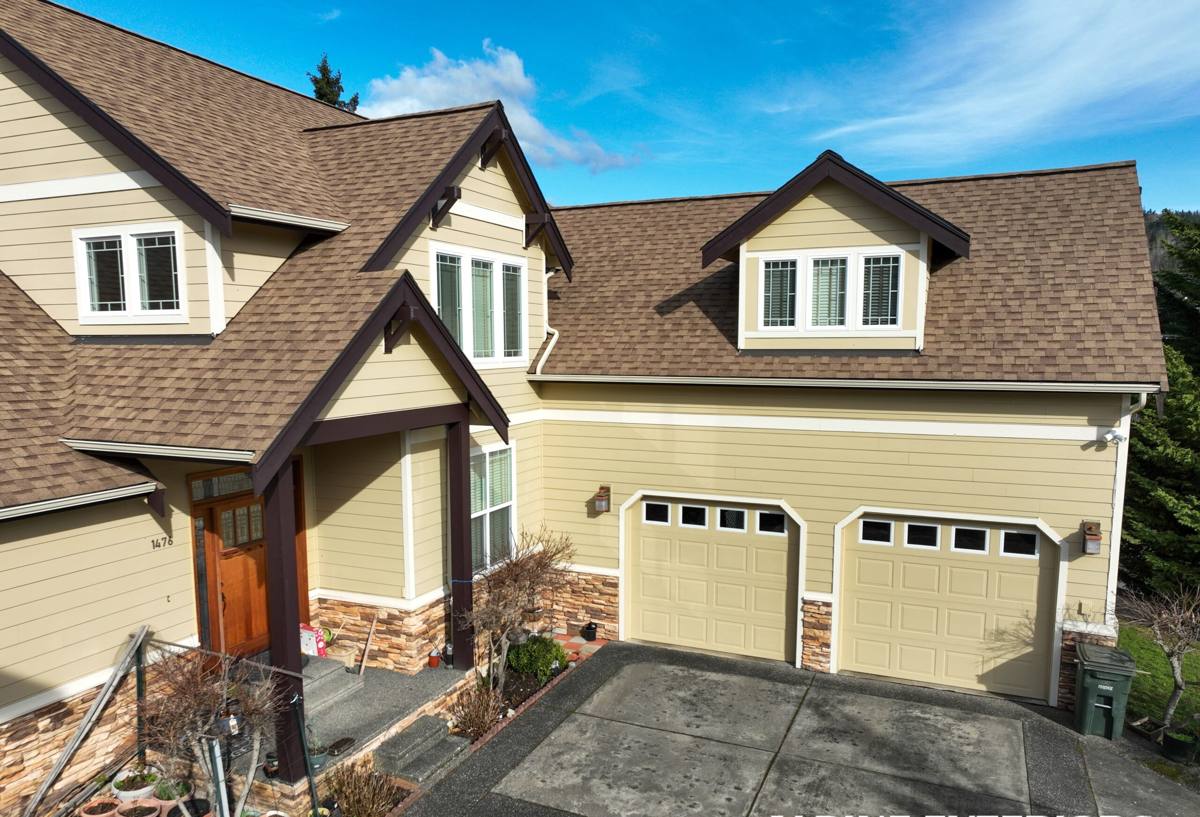
Common Deck Problems We See in Puget
Moss and Algae Buildup
Moss doesn't just look bad — it holds moisture against the decking surface long after the rest of the yard has dried out. On wood decking, that trapped moisture accelerates rot. On composite decking, it's mostly cosmetic, but a slick, moss-covered surface is also a slip hazard on stairs and landings, which matters when winter brings icy mornings on top of the usual rain.
Ledger Board and Flashing Failures
The ledger board — where the deck attaches to the house — is the single most important structural connection on most decks, and it's also the most common place we find hidden rot. Wind-driven rain pushes water behind poorly flashed ledger boards, and because the damage happens between the deck and the siding, it's often invisible until the wood is soft enough to probe with a screwdriver.
Fastener and Hardware Corrosion
Salt air off Puget Sound speeds up corrosion on anything metal — nails, screws, joist hangers, post bases. We regularly find decks where the boards themselves are in decent shape but the hardware holding everything together has rusted to the point of failure. Corroded hangers and fasteners are a structural issue, not a cosmetic one.
Soft, Spongy, or Splitting Boards
Wood decking that's been sitting under moss or standing water develops soft spots, checking, and splintering. Left alone, isolated soft boards turn into a safety issue — a foot going through a rotted board is one of the more common deck injuries we hear about.
What a Correct Deck Repair Actually Involves
A repair that only addresses what's visible from above is a repair that comes back. We look at four layers on every job:
- Structure: posts, beams, joists, and the ledger board connection to the house
- Fasteners and hardware: joist hangers, post bases, structural screws — checked for corrosion and code-correct spacing
- Surface decking and railings: boards, stair treads, and guardrails, checked for rot, splitting, and secure attachment
- Water management: flashing at the ledger, drainage under the deck, and gaps between boards that let water shed instead of pool
Skipping the water management step is the most common shortcut we see from past repairs — a homeowner replaces a few rotted boards, but the flashing that let water in during the last decade of driving rain never gets addressed, so the same spot fails again in a few years.
Our Deck Repair Process
1. On-Site Inspection
We start underneath the deck, not on top of it. Posts, beams, joists, and the ledger connection tell us more about a deck's real condition than the surface does. We probe suspect wood, check hardware for corrosion, and look at how water has been draining — or not draining — around the structure.
2. Honest Scope
We tell you what's cosmetic, what's structural, and what's somewhere in between. If a repair can reasonably extend the life of your deck without masking a deeper issue, we'll say so. If the structure has been compromised, we'll say that too, rather than patching over it.
3. Repair Work
This can mean replacing individual boards, sistering or replacing damaged joists, re-flashing the ledger board, upgrading corroded hardware to better-suited fasteners, or rebuilding a stair or railing section. We match repairs to what the deck actually needs rather than defaulting to a full tear-off.
4. Cleanup and Walkthrough
We clear debris, walk the deck with you, and point out anything worth keeping an eye on going forward — including simple maintenance that will slow down moss and moisture problems before they start again.
Repair or Replace? How We Help You Decide
Not every damaged deck needs to come down. But a repair on a structure that's fundamentally compromised is a waste of money. Here's how we generally think about it:
| Factor | Repair Usually Makes Sense | Replacement Usually Makes Sense |
|---|---|---|
| Structural framing (posts, beams, joists) | Isolated soft spots, otherwise sound | Widespread rot or corrosion throughout the frame |
| Ledger board | Localized damage caught early | Extensive rot at the house connection |
| Decking boards | A handful of boards affected | Most of the surface is soft, split, or failing |
| Age of the deck | Newer deck, isolated issue | Deck is old and multiple systems are failing at once |
| Budget picture | Targeted spend to extend usable life | Repeated repairs are starting to add up to rebuild cost |
As a rough guide, straightforward repairs on a deck with sound framing often run a few hundred to a couple thousand dollars depending on scope, while a full rebuild can run considerably more depending on size, materials, and how much structural work is needed. We'll give you real numbers after we've actually looked at your deck — not a phone estimate.
Materials That Hold Up in This Climate
What a deck is built from matters as much as how it's built, especially this close to Puget Sound. We generally steer homeowners toward a few things:
- Stainless or coated structural fasteners rated for exterior and coastal exposure, not standard galvanized hardware that corrodes faster in salt air
- Proper ledger flashing — a code-correct flashing detail at the house connection matters more to long-term durability than almost anything else on the deck
- Capped composite or well-maintained cedar decking, chosen based on your budget, maintenance appetite, and how much shade and moss exposure the deck actually gets
- Board spacing and drainage that lets water shed instead of sitting and feeding moss growth
We don't push one decking material as a universal answer. Wood costs less up front but needs regular sealing and cleaning to keep moss and rot at bay. Composite costs more up front but needs far less maintenance in a climate that stays wet for months at a time. The right call depends on how much upkeep you actually want to do.
Keeping a Repaired Deck in Good Shape
A repair is only worth as much as the maintenance that follows it. In this climate, a little seasonal attention goes a long way:
- Sweep leaves and debris off the deck regularly — trapped debris holds moisture and speeds up moss growth
- Rinse or lightly scrub visible moss and algae before it gets a foothold, especially on stairs
- Check that gaps between boards are clear so water can drain instead of pooling
- Look at the ledger board area once a year for any sign of staining, softness, or peeling paint on the siding above it
- Reseal wood decking on the schedule the material calls for — skipping a season lets moisture back in fast
- Tighten or replace any hardware showing rust before it becomes a structural issue
Why It Matters to Hire a Crew That Already Works in Puget
Deck repair isn't the same job everywhere. A crew used to working in a dry climate will underestimate how fast moisture problems develop here, or how much salt air shortens the life of standard hardware. We work on homes throughout the Bellingham area, including Puget, so we already know what to expect before we get under the deck: where ledger boards tend to fail first, which fasteners actually hold up to years of driving rain and salt air, and how much moss buildup is normal versus a sign of a bigger drainage problem. That local experience means fewer surprises and a repair that's built for the conditions your deck actually faces, not generic conditions from somewhere else.
Get a Straight Answer About Your Deck
If your deck has soft spots, persistent moss, rusting hardware, or you're just not sure whether it needs a repair or a rebuild, we're happy to take a look. We offer a free, no-pressure estimate — we'll tell you honestly what we find and what it would take to fix it, no obligation either way. Use the form below to get started.