 Bellingham Roofing
 Roof Replacement in Puget: Built for This Corner of Whatcom County
Puget sits close enough to Bellingham Bay and the broader Puget Sound region that homes here take on a specific kind of weather stress: salt-laden air moving off the water, rain that comes in sideways as often as it falls straight down, and a moss season that can run for most of the year on any roof plane that doesn't get much sun. A roof that was fine when it went on can start failing well ahead of schedule if it wasn't built with that combination in mind. That's the situation we see most often when we're called out for a roof replacement in this area — not a roof that failed overnight, but one that's been slowly losing ground to the local climate for years.
Bellingham Roofing Contractor works roof replacements across Whatcom County, and Puget is part of our regular service area. We're not learning this neighborhood's weather patterns on your job — we already know what a roof here is up against, and we build the replacement to handle it, not just to look good on install day.
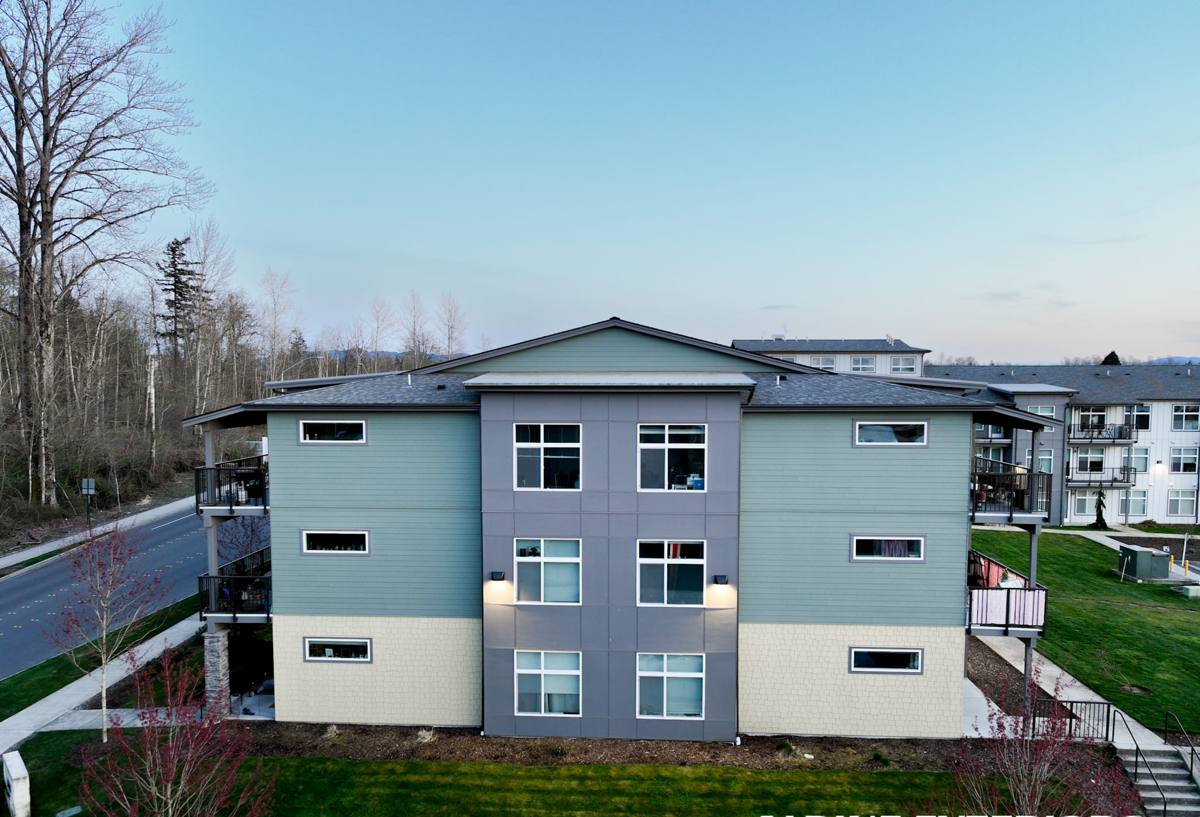
What This Climate Demands From a Puget Roof Replacement
Salt Air and Corrosion
Proximity to Bellingham Bay means metal components on a roof — fasteners, flashing, vents, and any exposed hardware — face more corrosion pressure here than they would further inland. A roof replacement that uses standard-grade fasteners or flashing not rated for coastal exposure can start showing rust streaks and weakening connections years before a comparable roof in a drier, less salt-exposed part of the county.
Wind-Driven Rain
Rain in this part of Whatcom County frequently arrives at an angle, pushed by wind off the water rather than falling straight down. That matters because it forces water into places a vertical rain never would — up under shingle edges, into valleys, around chimney and vent penetrations, and behind flashing that's only detailed for straight-down moisture. A roof replacement that doesn't account for wind-driven rain in its underlayment and flashing choices is set up to leak in exactly those spots.
Moss and Sustained Moisture
Shaded roof planes, north-facing slopes, and anything under tree cover stay damp longer here than they would in a sunnier climate, and that extended dampness is what moss needs to take hold. Moss isn't just a cosmetic issue — it holds water against the roofing material, works its way under shingle tabs, and can lift or loosen roofing over time if left unaddressed. A new roof needs ventilation and material choices that account for this from day one, not moss treatment as an afterthought.
Signs Your Puget Home Needs a Replacement, Not Another Repair
Not every roof problem calls for a full replacement, and a straightforward repair is often the right answer for a localized issue on an otherwise sound roof. But certain signs point toward a roof that's past the point where repairs make sense:
- Shingles that are cupping, curling, or losing granules across large sections of the roof, not just one isolated area
- Multiple past repairs in different spots, suggesting the underlying materials are wearing out broadly rather than failing locally
- Soft spots or sagging in the roof deck, which usually means moisture has already gotten into the wood
- Daylight visible through the roof boards from inside the attic, or water stains spreading across multiple rafters
- A roof at or beyond its rated lifespan, especially one that's spent that whole life under heavy moss and salt exposure
- Persistent moss regrowth even after cleaning, which often means the roof's ventilation or moisture drainage isn't working as it should
If you're seeing one or two of these, it's worth a professional look before deciding either way. We'll tell you honestly if a repair still makes sense — replacement isn't the answer to every roof problem, and we don't treat it that way.
What a Correct Roof Replacement Actually Involves
A roof replacement is more than swapping old shingles for new ones. The parts of the job that don't show up in a driveway estimate are usually the parts that determine whether the new roof actually holds up in this climate:
Full Tear-Off and Deck Inspection
We remove the old roofing down to the deck rather than layering over it, because that's the only way to see the actual condition of the sheathing underneath. Any soft, delaminated, or water-damaged deck sections get replaced before anything new goes down. Skipping this step means building a new roof on top of a compromised foundation.
Underlayment and Ice-and-Water Shield
Given how often rain here is wind-driven, we pay close attention to underlayment quality and to ice-and-water shield placement at vulnerable points — eaves, valleys, and roof-to-wall transitions — where wind-blown moisture is most likely to find a way in.
Flashing Details
Flashing around chimneys, skylights, vent pipes, and wall transitions is where most roof leaks actually start, not out in the open field of shingles. We detail flashing for wind-driven rain specifically, not just for water running straight downhill.
Ventilation
Proper intake and exhaust ventilation keeps the roof deck drier from underneath, which matters directly for moss resistance and shingle lifespan in a climate this damp. A roof replacement that skips ventilation upgrades is leaving a known weak point in place.
Corrosion-Resistant Hardware
Fasteners, flashing, and any exposed metal components get chosen with the local salt exposure in mind, not just whatever's standard stock.
Roofing Material Options for Puget Homes
There's no single correct material for every roof — it depends on the roof's pitch, sun exposure, budget, and how long you plan to stay in the home. Here's how the common options actually perform under this area's specific conditions:
| Material | Salt & Moisture Behavior | Maintenance | Realistic Lifespan Here |
|---|---|---|---|
| Architectural asphalt shingle | Good with proper ventilation and corrosion-resistant fasteners; moss-resistant granule options help | Periodic moss removal, gutter checks | 20-30 years |
| Standing seam metal | Sheds water and moss well; needs coastal-rated coatings and fasteners near the water | Low; occasional fastener and sealant checks | 40-60 years |
| Cedar shake | Absorbs moisture readily; requires airflow underneath to dry between rains | Higher; regular treatment and moss control | 20-30 years with consistent upkeep |
| Composite/synthetic shingle | Resists moisture absorption well; performance varies by product quality | Low to moderate | 30-50 years depending on product |
We'll go over which option fits your specific roof rather than defaulting to whatever's easiest to sell. A steep, sun-exposed roof and a shaded, low-slope roof under mature trees don't call for the same recommendation, even on the same street in Puget.
Our Roof Replacement Process, Start to Finish
- On-site inspection. We look at the existing roof, the attic, and the deck condition, and take honest stock of what's actually going on before recommending anything.
- Written estimate and material walkthrough. You get a clear scope of work and a real conversation about material trade-offs for your specific roof, not a generic price sheet.
- Scheduling around the weather. Given how much rain this area gets, we plan the tear-off and dry-in sequence to minimize the roof's exposure to open weather.
- Tear-off and deck repair. Old roofing comes off completely, and any compromised deck sections get replaced before new materials go down.
- Underlayment, flashing, and ventilation installation. This is where most of the long-term performance of the roof gets decided, and we don't rush it.
- Final roofing installation. New shingles, metal, or shakes go on to manufacturer specification, with the corrosion and moisture details specific to this area built in.
- Walkthrough and cleanup. We review the finished job with you and make sure the site is cleared of debris and old materials.
Cost Factors in a Puget Roof Replacement
Roof replacement costs vary by roof size, pitch, material choice, deck condition, and access, so any number without a real inspection is a guess. That said, a few factors tend to move the price the most in this area specifically:
| Factor | Why It Affects Cost |
|---|---|
| Deck condition | Water-damaged sheathing found during tear-off needs replacement, which isn't always visible before the job starts |
| Roof pitch and access | Steeper roofs and difficult access take longer and require more safety equipment |
| Material choice | Metal and higher-grade composite materials cost more upfront but require less maintenance over their lifespan |
| Flashing and ventilation complexity | Roofs with multiple penetrations, valleys, or wall transitions need more detail work to get right |
| Corrosion-rated hardware | Coastal-appropriate fasteners and flashing cost somewhat more than standard-grade materials but hold up better here |
We'd rather walk you through where your money is actually going than give you a number that doesn't hold up once we're on the roof.
Why a Crew That Already Works Puget Matters
A roofing crew that works this area regularly has already seen how salt air, wind-driven rain, and moss actually behave on real houses here over years, not just how a product performs on a data sheet. That translates into practical decisions on your job: how much ice-and-water shield a given roof actually needs based on its exposure, which flashing details are worth the extra time so you're not dealing with a leak two winters later, and which hardware grade makes sense given how close a given home sits to the water. It also means you're not the first job where we're figuring out this climate's quirks — we already know what to build for.
Bellingham Roofing Contractor also handles siding, windows, and other exterior work, so if a roof replacement turns up related issues — moisture damage at a wall-to-roof transition, aging trim, or siding that's past its own service life — we can address it as part of the same conversation instead of sending you to find a second contractor.
Get a Free, No-Pressure Estimate
If your Puget home's roof is showing its age or you're just not sure whether repair or replacement is the right call, we're glad to take a look and give you a straightforward, honest answer. Reach out using the form below to schedule a free estimate — no pressure, no upsell script.