 Bellingham Roofing
 Why Happy Valley Roofs Wear Differently Than Roofs Inland
Happy Valley sits close enough to Bellingham Bay and the surrounding tree cover that its roofs deal with a specific combination of stresses: salt-laden air drifting in off the water, long stretches of driving rain, and shaded, moisture-holding conditions that keep moss growing for most of the year. None of these factors alone is unusual for Whatcom County. Together, on a roof that wasn't detailed correctly the first time, they shorten a roof's working life by years.
Salt air accelerates corrosion on exposed metal — fasteners, flashing, drip edge, vent caps — well before the shingles themselves show real wear. Driving rain, especially when it comes in at an angle off the water, tests every seam, valley, and penetration on the roof, not just the open field of shingles. And moss doesn't just sit on the surface; its root structure lifts shingle edges and holds water against the roof deck long after a storm has passed. A new roof installation in this neighborhood has to be planned around all three of these realities from the start, not patched for them later.
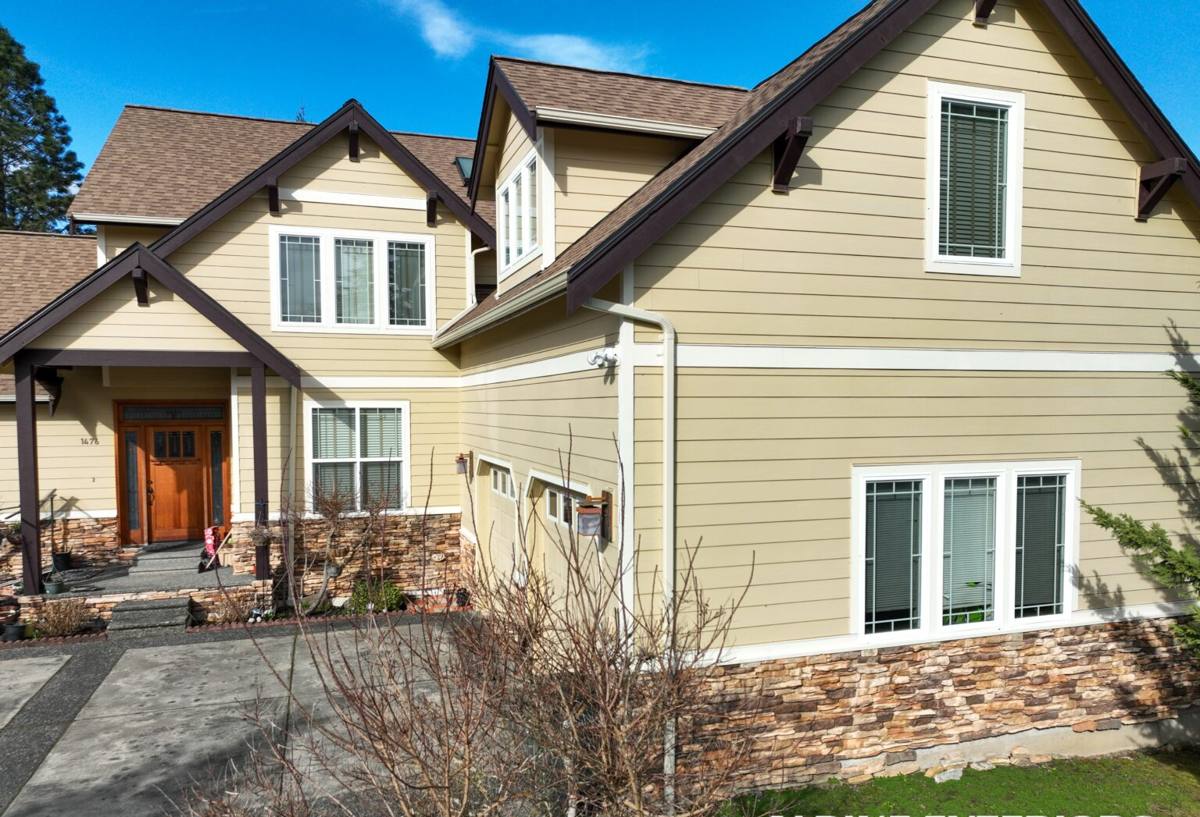
What a Correct New Roof Installation Actually Involves
"New roof" sounds simple, but the finished look on top is the smallest part of the job. Most of the roof's actual performance is decided in the layers a homeowner never sees again once the crew packs up.
Tear-Off and Deck Inspection
We remove the old roofing down to the deck rather than layering over it. That's the only way to find soft spots, rot, or old moisture damage that's been hiding under the existing shingles — and in a wet, moss-prone area like Happy Valley, hidden deck damage is common enough that skipping this step is a false economy. Any damaged sheathing gets replaced before anything new goes down.
Underlayment
The underlayment is the roof's real waterproofing layer, and it's what stands between your home and a leak during a wind-driven storm off the bay. We use a synthetic underlayment across the field and self-adhering ice-and-water membrane at the vulnerable spots — eaves, valleys, and roof penetrations — where wind-driven rain is most likely to work its way underneath the shingles.
Flashing
Flashing around chimneys, skylights, sidewalls, and valleys is where the majority of roof leaks actually start, not in the open shingle field. We install new flashing rather than reusing old pieces, and we use corrosion-resistant materials given the salt exposure this close to the water.
Ventilation
A roof needs balanced intake and exhaust airflow to keep the attic dry and the deck at a stable temperature. Poor ventilation traps moisture, which feeds moss growth from underneath and can rot decking from the inside — a problem that's easy to miss until it's expensive.
Material Options for Happy Valley's Conditions
There's no single "best" roofing material for every home — the right choice depends on your roof's pitch, how much shade and moss pressure it gets, your budget, and how long you plan to stay in the home. Here's how the common options compare for this specific climate:
| Material | Moss Resistance | Salt Air / Corrosion | Typical Lifespan Here |
|---|---|---|---|
| Architectural asphalt shingle | Moderate — improves with algae-resistant granules and good ventilation | Low direct risk to the shingle itself; fasteners and flashing matter more | 25–30 years with proper install and maintenance |
| Standing seam metal | High — smooth surface sheds moss more easily | Needs a corrosion-rated finish and stainless or coated fasteners near the water | 40–50+ years |
| Synthetic/composite shake | Moderate to high, depending on product | Low direct risk; hardware selection still matters | 30–40 years |
| Cedar shake | Low without regular treatment — the material itself feeds moss and moisture | Not a major factor, but moisture retention is the bigger concern here | Varies widely; higher maintenance in this climate |
Most Happy Valley homeowners land on a quality architectural asphalt shingle for the balance of cost, appearance, and performance, but we'll walk through the honest trade-offs for your specific roof rather than pushing one product.
Our Installation Process, Step by Step
- On-site inspection and measurement, including a look at existing ventilation, flashing condition, and any moss or moisture staining on the current roof.
- Written estimate covering material options, scope of work, and timeline — no pressure to decide on the spot.
- Permitting handled on our end, including coordination with local requirements for the Bellingham area.
- Material delivery and site protection — landscaping, siding, and gutters covered before tear-off begins.
- Full tear-off to the deck, with damaged sheathing identified and replaced.
- Ice-and-water membrane at eaves, valleys, and penetrations, followed by synthetic underlayment across the field.
- New flashing, drip edge, and ventilation components installed.
- Roofing material installed to manufacturer specification, including proper nailing pattern and exposure.
- Full site cleanup, including a magnetic sweep for stray fasteners.
- Final walkthrough with the homeowner before we consider the job done.
Ventilation and Moisture Control Details Worth Knowing
Because Happy Valley's tree cover and proximity to the water keep humidity and shade levels higher than in more open parts of Bellingham, ventilation isn't a minor detail here — it's one of the bigger factors in how long a new roof actually lasts. We size intake and exhaust venting to the specific attic and roof geometry rather than installing a generic setup, and we check that insulation isn't blocking soffit vents, which is a common and easily fixed cause of poor airflow in older homes.
We also pay attention to how the roof drains. Valleys and low-slope sections hold water longer in a shaded, rain-heavy setting, which is exactly where moss gets a foothold first. Getting the underlayment, flashing, and shingle overlap right in these areas matters more here than it would on a roof in a drier, more exposed part of the county.
Flashing and Penetration Details That Get Skipped Elsewhere
It's common to see roofs — even relatively new ones — fail early at a handful of predictable spots: chimney step flashing, skylight curbs, plumbing vent boots, and where a roof meets a sidewall. These are the places driving rain finds weaknesses first, and they're also the places that get rushed on a fast, low-bid job. We treat every penetration and transition as its own detail to get right, not an afterthought once the shingles are down.
What to Expect During the Project
A typical new roof installation on a residential home in this area takes one to a few days, weather permitting — driving rain and wind off the bay can push a delivery date, and we'd rather wait for a workable weather window than install underlayment or flashing in conditions that compromise the seal. You'll hear noise and see crew activity on the roof and around the perimeter of the house during work hours, and we protect landscaping, walkways, and gutters before tear-off starts. We keep the site clean throughout, not just at the end.
Why Local Experience in This Neighborhood Matters
A roofing crew that regularly works Happy Valley and the surrounding Bellingham neighborhoods already knows what this climate does to a roof over time — which materials and details hold up near the water, which don't, and which shortcuts show up as leaks or moss buildup within a few years. That local pattern recognition is hard to substitute with a generic install checklist. It shows up in choices like fastener material, underlayment placement in valleys, and ventilation sizing — decisions that a crew unfamiliar with Whatcom County's coastal conditions might make differently, and less durably.
We're also familiar with the practical side of working in established residential neighborhoods like Happy Valley: mature trees and landscaping to protect, narrower access in some areas, and neighbors to be considerate of during the work. None of that is complicated, but it's easier when it's not your crew's first time doing it in this part of Bellingham.
Maintenance Checklist for a New Happy Valley Roof
A correctly installed roof still needs basic upkeep in this climate to reach its full lifespan. A simple annual routine goes a long way:
- Clear moss growth early with a soft-wash approach rather than pressure washing, which can strip granules and shorten shingle life.
- Keep gutters clear so water isn't backing up under the eave edge, especially during heavy fall rain.
- Trim back overhanging branches to reduce shade and debris buildup, both of which encourage moss.
- Check attic ventilation isn't blocked by added insulation or storage.
- Have flashing around chimneys, skylights, and vents visually checked every year or two, since this is where small problems show up first.
- Address minor leaks or lifted shingles promptly rather than waiting for a bigger repair.
Get a Straightforward Estimate for Your Happy Valley Roof
If your roof is showing moss buildup, curling shingles, or you're just planning ahead before the next storm season off the bay, we're happy to take a look and give you a clear, no-pressure estimate. Use the form below to get started — we'll walk your roof, explain what we find, and lay out honest options for your home.