 Bellingham Roofing
 Deck Repair Built for York's Wet, Mossy Climate
Decks in the York neighborhood take a different kind of beating than decks a hundred miles inland. Bellingham sits close enough to the water that salt-laden air reaches yard-level structures, and Whatcom County's long, wet fall-through-spring stretch means a deck can stay damp for days at a time even when it isn't actively raining. Add tree cover common in older York-area yards and you get the ingredient list for premature deck failure: trapped moisture, slow-drying wood, and moss that takes hold anywhere sunlight doesn't reach.
None of that means a deck is doomed. It means a deck built or repaired for this specific climate needs different choices than one built in a dry inland town — better drainage under the boards, fasteners that won't corrode in salt air, and a repair approach that treats moss and rot as recurring conditions to manage, not one-time problems to patch and forget. That's the lens we bring to every deck repair call in and around York.
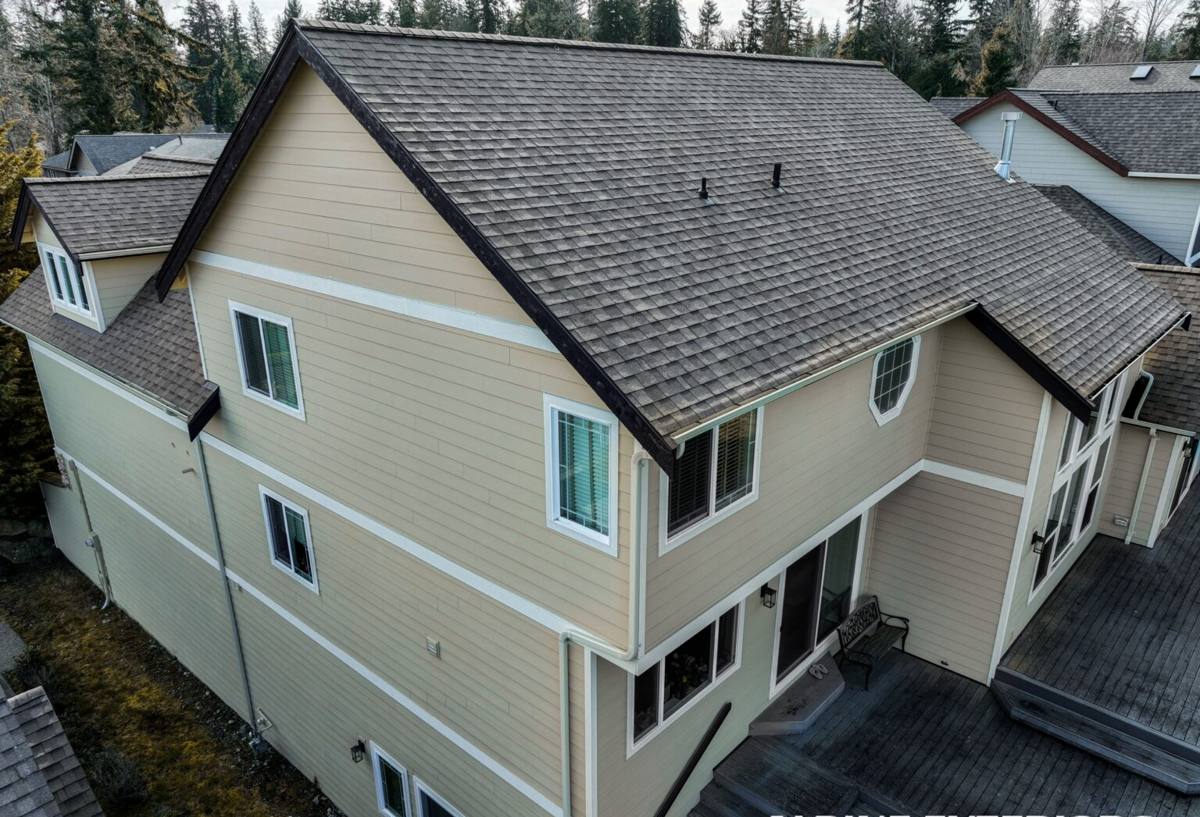
Signs a York Deck Needs Repair, Not Just Cleaning
A lot of deck damage hides in plain sight because it looks cosmetic from a few feet away. Here's what we tell York homeowners to check before assuming a power wash will fix it:
- Soft or spongy spots underfoot, especially near the house or at board ends
- Screws or nails backing out, or dark staining rings around fasteners
- Gaps opening between boards that weren't there a year or two ago
- Green or black growth that returns within weeks of cleaning
- A railing or post that flexes or wiggles when you lean on it
- Ledger board area (where the deck meets the house) showing dark streaking or peeling paint
- Stair stringers with visible splitting or crumbling at ground contact points
Any one of these on its own might be minor. Several together usually mean moisture has been working under the surface longer than the deck's finish has been able to shed it — which is the most common pattern we see on decks that get shaded by trees or sit on the north side of a York-area home.
Why Moss and Salt Air Cause More Than Cosmetic Damage
Moss Holds Water Against the Wood
Moss isn't just unsightly — it's a sponge sitting directly on your deck boards. Once established, it keeps the wood beneath it damp long after the rest of the deck has dried, which is exactly the condition rot fungus needs to take hold. Bellingham's moss season runs long, often from early fall well into late spring, so a deck that isn't cleaned or treated regularly can stay under a wet moss layer for months at a stretch.
Salt Air Speeds Up Fastener Failure
Proximity to Puget Sound means airborne salt reaches inland yards more than most homeowners expect. Standard steel screws and nails corrode faster under that exposure, and a corroding fastener doesn't just look bad — it loses grip strength and can stain and split the wood around it. This is one of the most common repair calls we get on older York decks: fasteners that have been quietly failing for years before anyone notices the boards moving underfoot.
Driving Rain Finds the Gaps
Wind-driven rain off the water doesn't fall straight down — it pushes sideways into board seams, railing joints, and the gap where a deck meets the house siding. Over time this drives water into places a vertical rain would never reach, which is why ledger boards and stair connections fail more often here than in drier climates.
Common Deck Repairs We Handle in York
| Repair Type | Typical Cause Here | Our Approach |
|---|---|---|
| Board replacement | Rot from trapped moisture, moss growth | Replace affected boards, address the drainage or airflow issue underneath so it doesn't recur |
| Fastener replacement | Corrosion from salt air and moisture cycling | Re-fasten with corrosion-resistant screws sized correctly for the framing below |
| Railing and post repair | Loose connections, rot at post base | Rebuild the connection point, not just tighten what's there |
| Ledger board repair | Water intrusion where deck meets house | Correct flashing and fastening at the house connection — this is a structural safety item, not cosmetic |
| Stair stringer repair | Ground contact moisture, splitting | Replace or sister damaged stringers, improve ground clearance where possible |
| Surface refinishing | Sun and moisture breaking down old stain or sealant | Clean, treat for moss, and apply a finish suited to shaded or exposed conditions |
How Our Deck Repair Process Works
1. On-Site Inspection
We walk the whole deck, not just the spot you called about. A soft board near the stairs is often a symptom of a moisture problem that's affecting the ledger connection or the framing underneath, so we check structural points — ledger, posts, joists, stair stringers — before quoting anything. This is also when we probe suspect boards with a screwdriver or awl to find rot that hasn't surfaced visually yet.
2. A Clear, Honest Scope
You get a plain-language explanation of what's actually wrong, what's cosmetic versus structural, and what it will take to fix it correctly. If a deck has more damage than repair can reasonably solve, we'll tell you that directly rather than patching around a bigger problem.
3. The Repair Itself
Damaged material comes out — we don't sister new boards over compromised wood or leave a rotten section "because it's mostly fine." Replacement lumber and fasteners are matched to what the rest of the structure needs, and any drainage, airflow, or flashing issue that caused the original damage gets addressed so the same spot doesn't fail again in two years.
4. Finish and Protection
Once repairs are structurally sound, we treat and finish the repaired area (and recommend a whole-deck refinish where it makes sense) with products suited to Whatcom County's wet, shaded conditions rather than a generic all-climate finish.
Repair or Replace? How We Help You Decide
| Factor | Favors Repair | Favors Replacement |
|---|---|---|
| Framing condition | Solid joists and posts, isolated surface damage | Rot has reached multiple structural members |
| Age of the deck | Under 15-20 years, built to a reasonable standard | Original construction is old, undersized, or already patched multiple times |
| Extent of damage | Damage limited to a section — stairs, a few boards, one railing run | Damage spread across the whole deck surface or connection points |
| Ledger connection | Sound, properly flashed | Compromised — this affects the whole structure's safety |
| Budget goals | Extend usable life at lower cost now | Avoid repeat repair calls and get a longer-term fix |
Most decks we look at in York fall into repair territory — the framing is sound and the damage is concentrated in a few predictable spots. When we do recommend replacement, it's because the cost of chasing repairs on a structurally compromised deck would outpace a straightforward rebuild within a few years anyway. We'll walk you through the reasoning either way, not just hand you an estimate.
Materials That Actually Hold Up Here
Not every "deck repair" material performs the same in a climate this wet. For framing and structural repairs, we favor pressure-treated lumber rated for ground contact where it's near soil, since untreated or under-rated lumber is a common source of premature failure we see on older repairs. For fasteners, corrosion-resistant coated or stainless options cost more up front but avoid the staining, splitting, and loosening that plain steel fasteners develop under salt air exposure within a few seasons.
For decking surface material, both wood and composite have a place, and the right call depends on the homeowner's priorities:
| Wood Decking | Composite Decking | |
|---|---|---|
| Moss resistance | Needs regular cleaning and treatment | Still needs cleaning, but doesn't absorb moisture the same way |
| Upfront cost | Generally lower | Generally higher |
| Maintenance | Periodic staining/sealing required | Lower maintenance, but not zero |
| Repair approach | Individual boards are simple to replace and match over time | Board matching can be harder if a product line is discontinued |
| Feel underfoot | Traditional, warmer appearance | Consistent, doesn't warp or splinter |
We don't push one over the other by default — we'll tell you honestly which fits your deck's exposure, your maintenance appetite, and your budget.
Why a Crew That Already Works in York Makes a Difference
Deck problems in this part of Bellingham follow patterns — ledger connections that face the prevailing wind and rain, north-facing sections that never fully dry out, stair stringers set too close to damp ground. A crew that's already worked on decks in the neighborhood recognizes those patterns quickly instead of treating every deck as a blank slate, which means a faster, more accurate diagnosis and fewer surprises once the repair is underway. It also means we're realistic about what Whatcom County weather will do to a repair over the next several winters, and we build and finish accordingly rather than using a one-size-fits-all approach that ignores local exposure.
Keeping a Repaired Deck in Good Shape
A correctly done repair still needs some seasonal attention in this climate. A short routine goes a long way:
- Sweep leaves and debris off the deck regularly in fall — trapped debris holds moisture against boards
- Treat for moss before it establishes, rather than after it's visibly green
- Check fasteners and railing connections once a year for movement or staining
- Reapply sealant or stain on the schedule the product recommends — don't wait until it's visibly failing
- Keep gutters and downspouts clear so runoff isn't draining directly onto or under the deck
- Trim back overhanging branches to let more light and air reach shaded sections
These habits won't prevent every repair, but they meaningfully slow the moisture-and-moss cycle that causes most of what we get called out for.
Get a Straight Answer on Your Deck
If you're noticing soft spots, loose railings, or moss that keeps coming back no matter how often you clean it, it's worth having someone look before it turns into a bigger structural repair. We offer free, no-pressure estimates for York-area homeowners — an honest look at what's actually going on with your deck and what it would take to fix it right. Use the form below to get started.