 Bellingham Roofing
 Window Installation Built for Sunnyland's Climate
Sunnyland sits close enough to Bellingham Bay that salt-laden air reaches every wall of every house in the neighborhood, whether the home is a block from the water or further up the hill. Combine that with Whatcom County's driving winter rain, long gray stretches of damp weather, and a moss season that can run most of the year on shaded north- and west-facing walls, and you get a climate that is genuinely hard on windows. Frames corrode faster near salt air, wood sashes hold moisture longer under tree cover, and any gap in flashing or sealant becomes an entry point for water within a season or two, not years.
Window installation in this environment isn't just about picking a product and setting it in the opening. It's about managing water, air, and moisture the way this specific climate demands. That's the lens we bring to every Sunnyland job.
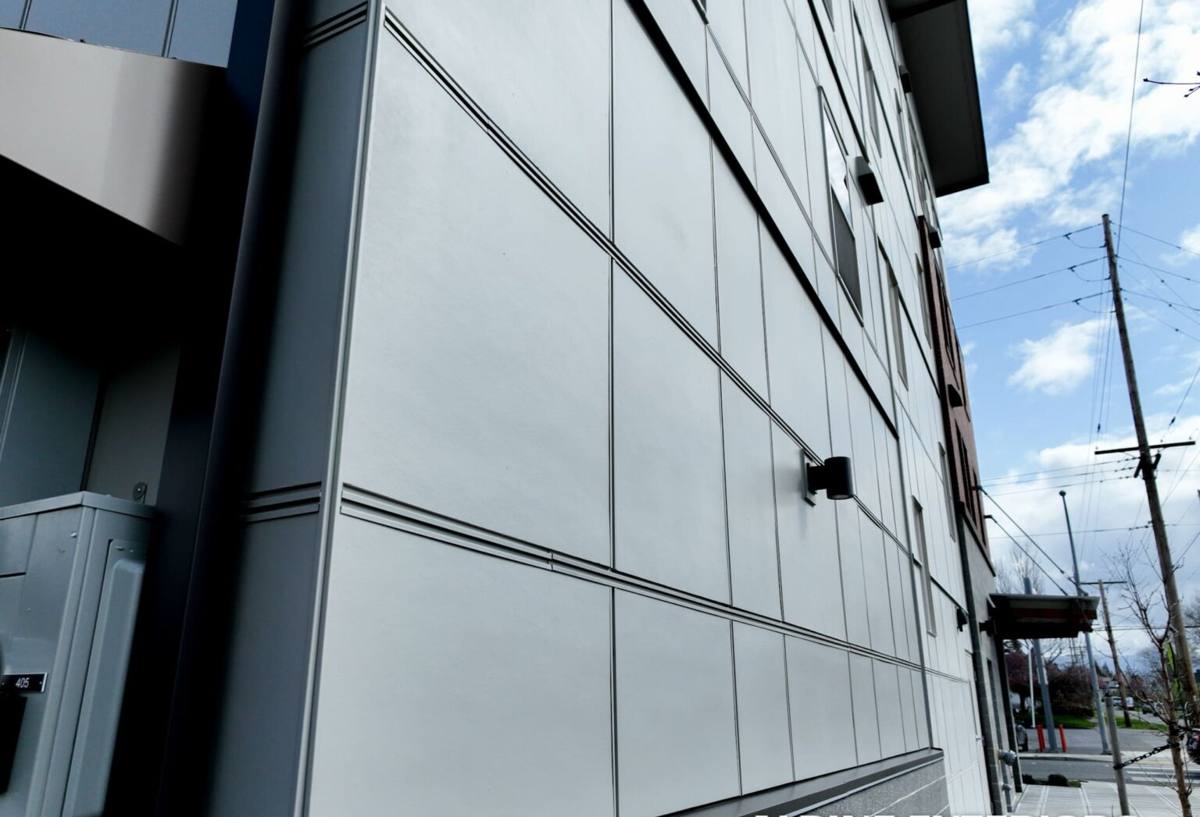
Sunnyland's Housing Stock and What It Means for Your Windows
Like much of established Bellingham, Sunnyland has a mix of home ages and construction styles, from older wood-frame houses to mid-century builds and newer infill. That mix matters for window installation because the right approach depends heavily on what's already in the wall.
Older Wood-Frame Homes
Many older homes in the area still have original wood sash windows or early aluminum replacements. These openings were often built to slightly different dimensions than today's standard window sizes, and the wall assembly behind them may not have modern weather-resistive barriers or flashing. Installing into these openings correctly usually means more prep work: checking the sill and jambs for rot, confirming the opening is square, and building in proper drainage before the new window ever goes in.
Mid-Century and Later Construction
Homes built from the 1950s onward more often have standardized rough openings and better (though still dated) moisture management. These are frequently good candidates for a retrofit, or "pocket," installation, where the new window fits inside the existing frame. It's faster and less invasive, but it only works when the existing frame is still structurally sound and free of hidden water damage.
Either way, the first real step of a good window installation is an honest look at the wall itself, not just the window that's failing.
Signs Your Sunnyland Home's Windows Need Attention
Because of the moisture load this area sees, window failure often shows up as water and air problems before it shows up as obvious cosmetic damage. Homeowners in Sunnyland should watch for:
- Fogging or a permanent haze between the panes of a double-pane window, which means the seal has failed and the insulating gas has escaped
- Soft or discolored wood on the interior sill or exterior trim, especially on north- and west-facing walls that stay shaded and damp longer
- Visible moss or dark streaking building up on the frame or sill, a sign that water is sitting rather than draining
- Noticeable drafts or cold spots near the frame during windy, wet weather
- Windows that are difficult to open, close, or latch, which often points to a frame that has swollen, warped, or shifted
- Rising energy bills without a clear cause, particularly in homes still running original single-pane glass
- Paint that bubbles or peels repeatedly on the interior or exterior trim around the window, a classic sign of trapped moisture
One or two of these on their own aren't cause for alarm. Several together, especially combined with visible moss or soft wood, usually mean the window and the assembly behind it need real attention, not just a new coat of caulk.
What a Correct Installation Actually Involves
The window itself is often the easiest part of the job. What determines whether it performs for the next 20-plus years in this climate is everything around it.
Flashing and Drainage
Every window needs a path for water to escape if it gets past the outer seal, which, in a climate with this much driving rain, it eventually will. That means properly lapped flashing at the head, jambs, and sill, integrated with the home's existing weather-resistive barrier rather than just caulked over the top of it. A window that's sealed airtight but has nowhere for incidental water to drain is a slower version of the same rot problem as no flashing at all.
Sealant, Not Substitute for Flashing
Sealant has a job: closing small gaps and managing air leakage. It is not a substitute for mechanical flashing and shingling of building paper or house wrap. We treat sealant as the last line of defense, not the first, because caulk alone tends to fail years before the rest of the installation does, and by the time it's visibly cracked, water has often already gotten behind it.
Fastening and Shimming
A window that isn't shimmed level, plumb, and square will bind, leak, or fail to seal properly no matter how good the product is. Fasteners need to hit solid framing, and the gap between the window unit and the rough opening needs to be insulated without being packed so tight it bows the frame.
Interior and Exterior Trim
Trim isn't just cosmetic. It protects the transition point between the window and the wall finish, and on the exterior it's part of the water management system. We match trim details to what the house already has where that's reasonable, and flag where existing trim is too far gone to reuse.
Choosing Materials That Hold Up Near the Bay
Not every window product marketed for the Pacific Northwest actually performs well this close to salt air and constant moisture. Hardware, cladding, and glazing seals all age differently depending on material.
| Material | Performance Near Salt Air / Moisture | Maintenance |
|---|---|---|
| Vinyl | Good corrosion resistance; won't rot or rust; can become brittle with age and sun exposure over decades | Low — occasional cleaning |
| Fiberglass | Very stable in temperature and moisture swings; strong resistance to warping and corrosion | Low |
| Wood (unclad) | Classic look but needs consistent upkeep to resist rot in a wet, shaded climate | High — regular painting/sealing |
| Wood-clad (aluminum or fiberglass exterior) | Exterior face resists moisture well; interior wood retains traditional appearance | Moderate — interior finish upkeep only |
| Aluminum (uninsulated) | Prone to condensation and thermal transfer; hardware can corrode faster near salt air without upgraded finishes | Moderate to high |
We steer most Sunnyland homeowners away from bare, uninsulated aluminum frames and unclad wood on exposed elevations, not because either product is defective, but because both demand more upkeep than most homeowners want to keep up with in a climate this wet. Vinyl, fiberglass, and clad-wood options generally give better long-term value for the maintenance effort involved. Hardware finish matters too — look for corrosion-resistant coatings on hinges, locks, and screws, since standard-grade hardware can start showing surface corrosion within a few years this close to the bay.
Our Installation Process, Start to Finish
- On-site assessment: We inspect the existing openings, check for rot or moisture damage in the framing, and measure for either retrofit or full-frame replacement.
- Scope and product selection: We walk through material and glazing options based on the specific wall, sun exposure, and your budget, without pushing a single house brand as the only answer.
- Weather-window scheduling: Because the opening is exposed to the elements during the swap, we schedule around forecasted dry stretches whenever possible rather than working through active rain.
- Removal and opening prep: Old units come out carefully so we can inspect and, if needed, repair the sill and framing before anything new goes in.
- Flashing and drainage integration: We tie new flashing into the existing weather barrier correctly, in the right order, before the window is set.
- Setting, shimming, and fastening: The window is leveled, plumbed, squared, and fastened into solid framing.
- Insulation and sealing: The gap between window and framing is insulated properly, then sealed on the interior and exterior.
- Trim and finish work: Interior and exterior trim is reinstalled or replaced to match the home as closely as practical.
- Final walkthrough: We test operation, check the seal, and walk the job with you before calling it done.
What Window Installation Costs Depend On
Costs for window installation vary widely based on the home and the scope of work, and any contractor who quotes a firm number before seeing the openings is guessing. That said, the main drivers are consistent from job to job.
| Factor | Why It Matters |
|---|---|
| Retrofit vs. full-frame replacement | Full-frame work involves more carpentry, flashing, and trim, so it costs more but is often necessary when the existing frame is damaged |
| Number and size of windows | Larger openings and specialty shapes cost more in both product and labor |
| Material and glazing package | Vinyl, fiberglass, and wood-clad options carry different price points, as does upgraded glazing for noise or heat control |
| Condition of existing framing | Hidden rot found once old windows are removed adds carpentry time that can't always be predicted in advance |
| Access and site conditions | Second-story windows, tight side yards, or landscaping close to the wall can add time |
| Trim and interior finish work | Matching existing trim profiles or repainting disturbed areas adds to the scope |
We give a written, itemized estimate after seeing the actual openings, not a phone-quote guess, so you know exactly what you're paying for before work starts.
Why a Crew That Already Works Sunnyland Matters
A window installer who works this specific pocket of Bellingham regularly has already seen how the neighborhood's housing stock behaves over time — which eras of homes tend to hide rot behind old trim, which elevations take the worst of the wind-driven rain, and how much moss buildup is normal versus a sign of a bigger drainage problem. That local pattern recognition shortens the assessment phase and reduces surprises once the old windows come off the wall.
It also means practical scheduling knowledge: knowing that Whatcom County's wet season narrows the safe windows for exterior work, and planning around that instead of leaving an open wall exposed to a storm. A crew unfamiliar with the area's weather rhythm is more likely to get caught mid-job by a system rolling in off the water.
Finally, local presence means accountability. If a seal needs adjustment or a trim detail needs revisiting after the first hard rain of the season puts it to the test, a Bellingham-based crew is a short drive away, not a phone number for a company that worked the area once and moved on.
Before Your Installation: A Quick Homeowner Checklist
A little preparation on your end helps the job go smoothly and gives you a clearer picture of what to expect.
- Clear furniture, blinds, and window treatments from the work area on installation day
- Note any windows that have felt drafty, stuck, or difficult to operate — this helps prioritize scope
- Ask what happens to old windows and packaging, and whether disposal is included in the quote
- Confirm which trim and finish details will be matched versus replaced with a different profile
- Ask about the warranty on both the product and the labor, and get it in writing
- Check whether any exterior siding or trim repair is needed alongside the window work, since it's more efficient to address both at once
Living With Your New Windows in a Wet Climate
Even a correctly installed window benefits from a little seasonal attention in this climate. Keep weep holes and drainage tracks clear of debris and moss, especially heading into fall when leaves and needles build up quickly. Wipe down sills after long wet stretches so moisture doesn't sit against the frame, and check exterior caulk lines once a year for cracking, since sealant is the first thing to show wear even when the flashing behind it is doing its job. If you notice new condensation between panes or a window that suddenly won't latch properly, that's worth a call sooner rather than later — in this climate, small problems don't stay small for long.
If your Sunnyland home has windows showing their age, or you're planning ahead before the next wet season sets in, we're happy to take a look and walk you through honest options. The estimate is free, there's no pressure, and you'll get a straight answer about what your home actually needs — just fill out the form below to get started.