 Bellingham Roofing
 Deck Building for Barkley Homes
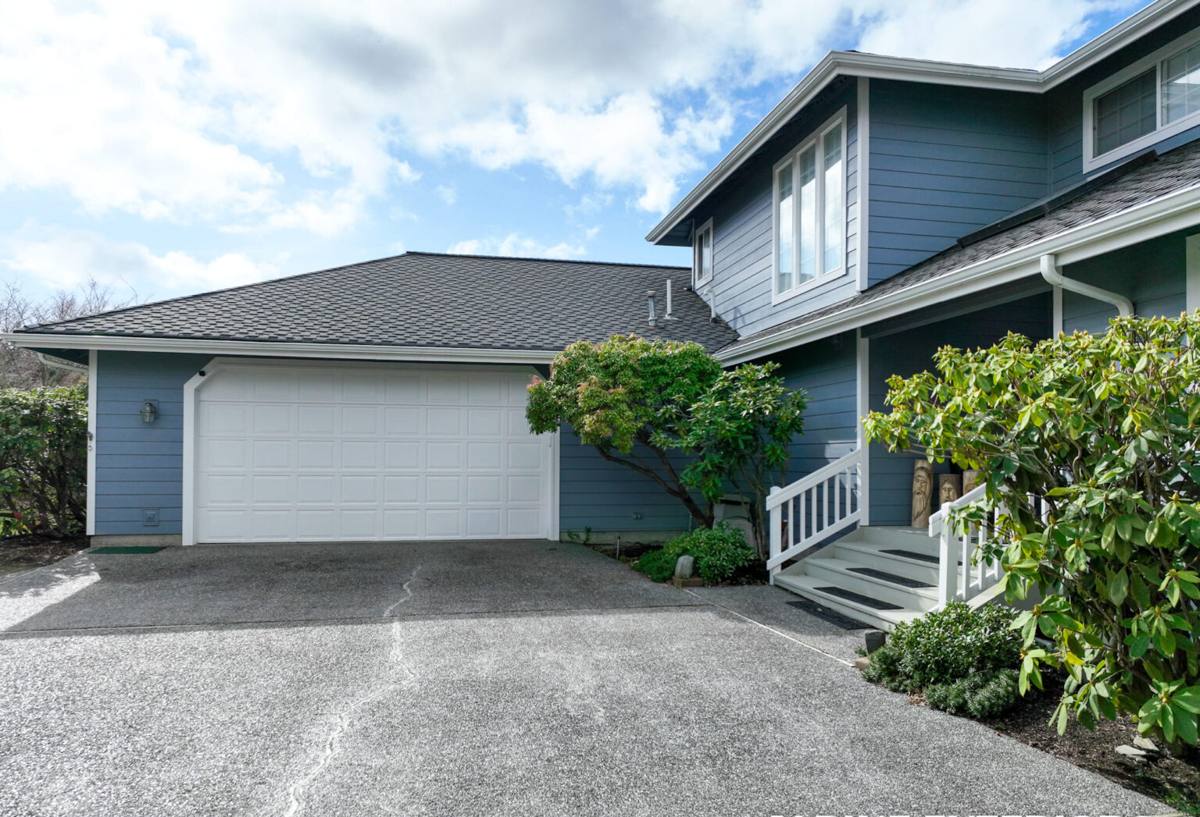
Barkley is one of Bellingham's more established planned neighborhoods, with a mix of newer construction and homes that are now old enough to need their first or second deck rebuild. Whether you're adding a deck to a newer build or replacing one that's finally showing its age, the job has to account for where you live. A deck built the same way you'd build one in Spokane or Boise won't hold up the same way here, and that difference shows up within a few winters.
We build and repair decks throughout Bellingham and Whatcom County, and Barkley is a neighborhood we're in regularly. This page covers what actually matters for a deck in this specific area: the climate factors that shorten a deck's life if ignored, what correct construction looks like from the footings up, and how we approach the work so it's still solid a decade or two from now.
What Bellingham's Climate Does to a Deck
Whatcom County sits close enough to Bellingham Bay that salt-laden air is a real factor for exterior metal, even a few miles inland. Combine that with driving rain that comes in sideways during winter storms, and a moss season that can run from fall through spring in shaded yards, and you've got three separate stressors working on the same structure at once.
Salt Air and Metal Fasteners
Standard fasteners corrode faster near the coast. Once a nail or screw starts rusting inside a joist connection, it loses holding strength long before it looks obviously bad from the surface. This is one of the most common causes of soft spots and squeaks in older Bellingham-area decks.
Driving Rain and Water Intrusion
Wind-driven rain doesn't just fall on a deck — it gets pushed sideways into ledger connections, under flashing, and into any gap where two pieces of framing meet. A deck built for a drier climate often skips details that are optional there and mandatory here.
Moss and Prolonged Moisture
A long wet season means anything that stays damp for weeks at a time — shaded decking boards, north-facing stairs, areas under trees — will grow moss if the deck doesn't shed water and dry out between rains. Moss holds moisture against wood and makes surfaces slick and unsafe.
Building It Right From the Ground Up
A deck's long-term performance is decided before a single board of decking goes down. Framing and structure are where corners get cut, because the mistakes don't show up right away.
Footings Below the Frost Line
Whatcom County requires footings set below the local frost depth so seasonal freeze-thaw cycles don't heave the posts over time. This isn't optional, and it's one of the first things a permit reviewer or inspector checks.
Ledger Board Flashing
The ledger board — where the deck attaches to the house — is the single most common failure point on decks in wet climates. If it isn't properly flashed to shed water away from the house's structure, moisture works its way behind the siding and into the rim joist, and by the time it's visible, there's often rot that's been developing for years. We flash every ledger connection as a non-negotiable step, not an upsell.
Joist Hangers and Hardware
All structural hardware — joist hangers, post bases, structural screws — should be rated for the type of lumber used, especially with modern pressure-treated wood, which contains chemicals that accelerate corrosion in the wrong fastener metal. Near the coast, we lean toward stainless or heavy hot-dip galvanized hardware rather than the minimum-spec option.
Choosing Decking Material for a Wet Climate
There's no single "best" decking material — it depends on how much maintenance you want to do and what you're trying to spend upfront versus over time. Here's how the common options actually perform in Whatcom County conditions:
| Material | Upfront Cost | Maintenance in This Climate | Typical Lifespan Here |
|---|---|---|---|
| Pressure-treated wood | Lowest | Needs re-staining/sealing every 2-3 years; prone to moss if shaded | 15-20 years with upkeep |
| Cedar | Mid-range | Natural rot resistance, but still needs sealing to hold color and shed water | 15-25 years with upkeep |
| Composite decking | Highest | No staining or sealing; occasional wash to keep moss from forming on the surface | 25-30+ years, manufacturer-backed |
Composite costs more upfront but removes the recurring maintenance that a lot of homeowners fall behind on during our wetter months, which is often when moss gets a foothold. Wood costs less initially but only performs as well as the upkeep it actually gets. Neither is wrong — it's about being honest with yourself about which one you'll keep up with.
Guardrails, Stairs, and Code Requirements
Any deck above a certain height off grade needs a code-compliant guardrail, and stairs have their own rules for rise, run, and handrail requirements. These aren't just inspection checkboxes — a guardrail with too much spacing between balusters or a stair rail that's the wrong height is a real fall hazard, especially on wet, mossy surfaces during winter. We build every guardrail and stair system to current code, and we make sure it's inspected and signed off, not just "close enough."
Drainage, Airflow, and Keeping Moss Off Long-Term
A deck that sheds water well and dries out between storms will stay cleaner and last longer with far less scrubbing. A few details make the difference:
- Proper board spacing so water drains through instead of pooling on the surface
- Adequate clearance and airflow underneath the deck so the framing can dry out between rain events
- Grading and drainage at ground level so water doesn't collect under or against the structure
- Keeping overhanging branches trimmed back where practical, since shade and leaf litter are what feed moss growth
- A surface finish or material that doesn't trap moisture against the wood
None of this eliminates moss entirely in a Whatcom County winter, but it's the difference between an occasional light cleaning and a deck that's slick and green by January every year.
How Our Process Works
1. On-Site Assessment
We walk the property, look at drainage, sun exposure, and how the deck will tie into the house, and talk through what you actually want to use the space for.
2. Design and Material Consultation
We go over decking material, layout, railing style, and stairs, with honest pros and cons for each option given your budget and how much upkeep you want to take on.
3. Permitting
We handle the permit application and know what the local building department expects to see on the plans, which keeps the process moving instead of stalling on paperwork.
4. Framing and Structure
Footings, posts, beams, ledger flashing, and joists — done to spec, not to the minimum the code allows.
5. Decking, Railing, and Stairs
Final surface materials go down, guardrails and stairs are built and secured, and every connection is checked.
6. Inspection and Walkthrough
We coordinate the final inspection and walk the finished deck with you so you know how it's built and what upkeep, if any, it needs going forward.
Why a Crew That Already Works Barkley Matters
A contractor who works Bellingham and Whatcom County regularly already knows the local permitting expectations, the frost depth requirements for footings, and how differently a deck needs to be detailed here compared to a drier region. That familiarity means fewer surprises mid-project — no redesigning a ledger detail after an inspector flags it, no guessing at setback requirements for a Barkley lot. It also means we're not learning on your project; we're applying what we've already confirmed works on decks like yours, in this exact climate.
Signs Your Current Deck Needs Attention
- Soft, spongy, or bouncy spots when you walk across it
- Rust streaks around fasteners or hardware
- Gaps or dark staining where the deck meets the house siding
- Persistent moss or green film that returns quickly after cleaning
- Wobbly or loose guardrail posts
- Visible wood rot at post bases or the ledger board
If any of these sound familiar, it's worth having it looked at before it turns into a larger structural repair. Small ledger or framing issues caught early are a straightforward fix; the same issue left through another wet season usually isn't.
If you're planning a new deck in Barkley or need an honest look at one that's showing its age, we're happy to come take a look. Fill out the form below for a free, no-pressure estimate — we'll tell you what we see and what it would actually take to get it right.