 Bellingham Roofing
 New Roof Installation in Sunnyland
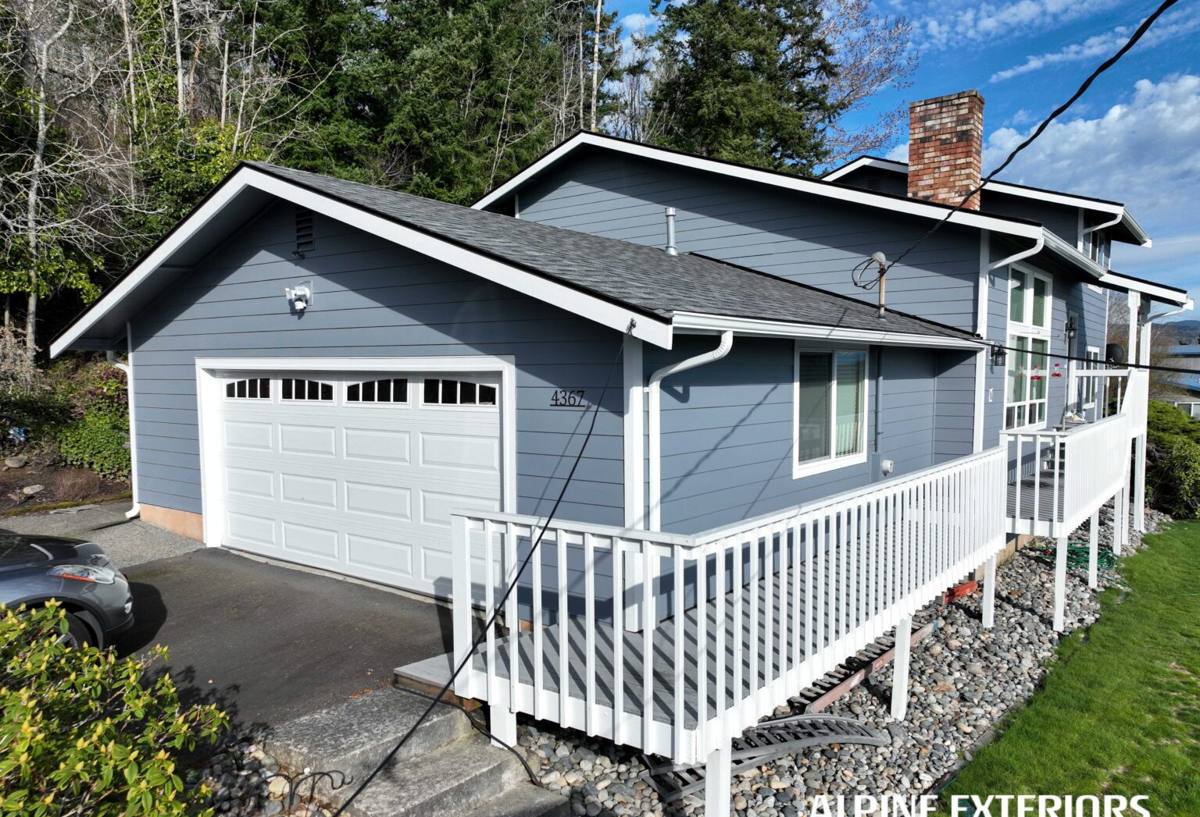
Sunnyland's mix of older single-family homes and mature tree canopy makes it one of the more roof-punishing neighborhoods in Bellingham. Between the shade cover, the moisture that rolls in off Bellingham Bay, and decades-old roofs original to the homes, a lot of Sunnyland properties are due for a full replacement rather than another round of patching. A correctly installed new roof, matched to this specific setting, is the difference between a roof that quietly does its job for 25-30 years and one that starts showing problems again in five.
This page covers what a new roof installation actually involves here, what Sunnyland's climate demands from the materials and details, and how we approach the job from first look to final inspection.
Why This Climate Is Hard on Roofs
Whatcom County doesn't get the most rain in Washington, but it gets the wrong kind for roofing: long stretches of steady, wind-driven drizzle and rain that finds its way sideways under poorly sealed flashing and worn shingle edges. Add proximity to salt air off the bay, which accelerates corrosion on exposed metal fasteners and flashing, and a shaded lot with a long moss season, and you have three separate stressors working on the same roof at once.
Salt Air
Homes closer to the water deal with slow corrosion on any exposed metal — nail heads, flashing edges, gutter hardware. Standard fasteners and flashing that would hold up fine further inland can start rusting and staining a roof years before the shingles themselves are worn out.
Driving Rain
Wind-driven rain doesn't just sit on a roof surface — it gets pushed uphill under shingle tabs, into valleys, and around penetrations like vents and chimneys. This is why flashing detail and underlayment quality matter more here than in drier climates; a roof that would be fine on a calm-weather system can leak in Bellingham if those details are cut short.
Moss Season
Shaded, tree-lined streets like the ones common in Sunnyland keep roof surfaces damp longer after every rain, which is exactly what moss and algae need to take hold. Moss doesn't just look bad — it lifts shingle edges, holds moisture against the roof deck, and shortens the life of the roofing material underneath it.
Signs a Sunnyland Home Needs a New Roof, Not a Repair
Not every roof problem calls for full replacement, but there's a point where patching becomes a waste of money. Common signs we look for during an inspection:
- Granule loss heavy enough that you can see bare, shiny patches on asphalt shingles
- Shingles that are cupping, curling, or cracking across large sections rather than isolated spots
- Moss growth that's established under the shingle tabs, not just sitting on the surface
- Soft or spongy spots in the roof deck when walked, indicating water has reached the sheathing
- Daylight visible through the attic roof boards, or water stains on attic framing
- A roof original to the home and past 20-25 years old, even if it "looks okay" from the ground
- Repeated leak calls to the same area after prior repairs
If a roof only shows one or two of these in a limited area, targeted repair is usually the honest recommendation. When several of these show up together, or the roof is old enough that repair costs start approaching replacement costs, a new install is the better use of your money.
Choosing a Roofing Material for This Setting
There's no single "best" roofing material — the right choice depends on your budget, how much shade and moss exposure the roof will see, and how long you plan to stay in the home. Here's how the common options stack up for a Sunnyland lot specifically:
| Material | How It Handles This Climate | Typical Lifespan | Maintenance Notes |
|---|---|---|---|
| Architectural asphalt shingles | Good rain performance with proper underlayment; benefits from algae-resistant granules in shaded areas | 25-30 years | Periodic moss/debris removal recommended on shaded roofs |
| Standing seam metal | Sheds rain and moss buildup very well; needs coated or stainless fasteners near the water to resist salt corrosion | 40-50+ years | Low ongoing maintenance once installed correctly |
| Cedar shake | Traditional look but holds moisture longer under tree cover, which shortens lifespan in a heavy-moss setting | 20-30 years, often less under shade | Requires regular treatment and moss management |
| Synthetic/composite shake | Mimics cedar's look without the same moisture retention issues | 30-40 years | Lower maintenance than real cedar |
For most Sunnyland homes, we steer people toward architectural asphalt with algae-resistant shingles or, for owners planning to stay long-term, standing seam metal. Real cedar can work, but on a shaded lot it takes more upkeep to get a fair lifespan out of it, and that's a maintenance commitment worth being honest about upfront rather than after installation.
What a Correct Installation Actually Involves
A new roof is only as good as the layers underneath the shingles. This is where corners get cut on cheap jobs, and it's exactly where Bellingham's rain finds its way in.
Tear-Off and Deck Inspection
We remove the old roofing down to the deck rather than layering over it. This lets us actually see the sheathing condition — any water-damaged or soft plywood gets replaced before anything new goes down, not covered up.
Ice and Water Shield at Vulnerable Points
Valleys, eaves, and areas around chimneys and skylights get a self-adhering waterproof membrane underneath the main underlayment. These are the spots wind-driven rain targets first, and they're worth the extra material.
Underlayment
A synthetic underlayment across the full deck adds a second line of defense under the shingles — important insurance against the sideways rain this area gets during winter storms.
Flashing
New flashing at every roof-to-wall transition, chimney, and vent penetration, not reused old flashing. In a salt-air area, we favor corrosion-resistant flashing and fasteners over standard steel.
Ventilation
Proper intake and exhaust ventilation keeps the attic and roof deck drier and more temperature-stable, which slows moss regrowth and helps shingles last their full rated life. A roof can be installed perfectly and still underperform if the attic underneath it isn't breathing correctly.
Our Installation Process
- On-site inspection and estimate — we look at the current roof, attic ventilation, and any problem areas, and walk you through honest options rather than a one-size recommendation.
- Material selection — we help you weigh cost, appearance, and how much moss/rain exposure your specific lot gets.
- Scheduling around weather — roofing in Whatcom County means working with realistic dry-window forecasts, not rushing a tear-off into an incoming storm.
- Tear-off and deck repair — full removal of old roofing, deck inspected and repaired as needed.
- Underlayment, flashing, and shingle installation — installed to manufacturer specification, with extra attention to the vulnerable rain and moss points covered above.
- Cleanup and final walkthrough — site cleared of debris and nails, and we walk the finished roof with you.
Cost Factors for a Sunnyland Re-Roof
Every roof is priced on its own specifics, but the main variables that move the number are consistent across the neighborhood:
| Factor | Why It Matters |
|---|---|
| Roof size and pitch | More surface area and steeper pitches take more material and labor time |
| Number of layers to remove | Tearing off multiple old layers costs more than a single-layer tear-off |
| Deck condition | Rotted or soft sheathing found during tear-off needs replacement before installation continues |
| Material choice | Asphalt, metal, and composite shakes carry different material and labor costs |
| Roof complexity | Valleys, dormers, skylights, and chimneys each add flashing work and time |
| Access | Mature trees or tight lot access common in older Sunnyland lots can affect setup and staging |
We give a firm, itemized number after the inspection — not a phone-quote guess — so you know exactly what you're paying for before work starts.
Why Local Experience in Sunnyland Matters
A crew that regularly works Bellingham and Whatcom County knows what a roof here is actually up against — the specific combination of shade, salt air, and driving rain isn't generic "Pacific Northwest weather," it's a particular set of conditions that reward certain material and detail choices over others. That local pattern recognition shows up in small decisions: which fastener grade to use near the bay, how much ventilation a shaded attic needs, where moss tends to establish first on a given roof orientation. Those are the details that separate a roof that holds up for decades from one that needs attention again in a few years.
What to Ask Before Hiring a Roofer
- Are you licensed and insured to work in Washington State?
- Will you inspect and repair the deck if it's damaged, or just roof over it?
- What underlayment and ice-and-water-shield products do you use, and where?
- How do you handle attic ventilation as part of the install, not as an afterthought?
- What's the manufacturer warranty, and what's covered under your own workmanship warranty?
- Can you provide a written, itemized estimate before work begins?
A contractor who answers these clearly and without hesitation is one who's done this enough times to know exactly what a correct job requires in this area.
If your Sunnyland roof is showing its age or you just want an honest read on where it stands, we're happy to come take a look. Request a free, no-pressure estimate using the form below.