 Bellingham Roofing
 Windows for a Neighborhood That Sits Close to the Water
Columbia is one of those Bellingham neighborhoods where you feel the marine influence every day of the year — not just in a big storm. The proximity to Bellingham Bay means salt-laden air is a constant, low-grade presence on every exterior surface, windows included. Add in Whatcom County's driving rain and a moss season that can stretch from fall through spring, and you have a climate that is genuinely harder on windows than most manufacturers' warranty testing accounts for.
A window that performs fine in a dry inland climate can start showing problems within a few years in Columbia if it wasn't specified, flashed, and sealed with this exposure in mind. This page is about what that actually means in practice — for the window itself, for the installation, and for the crew doing the work.
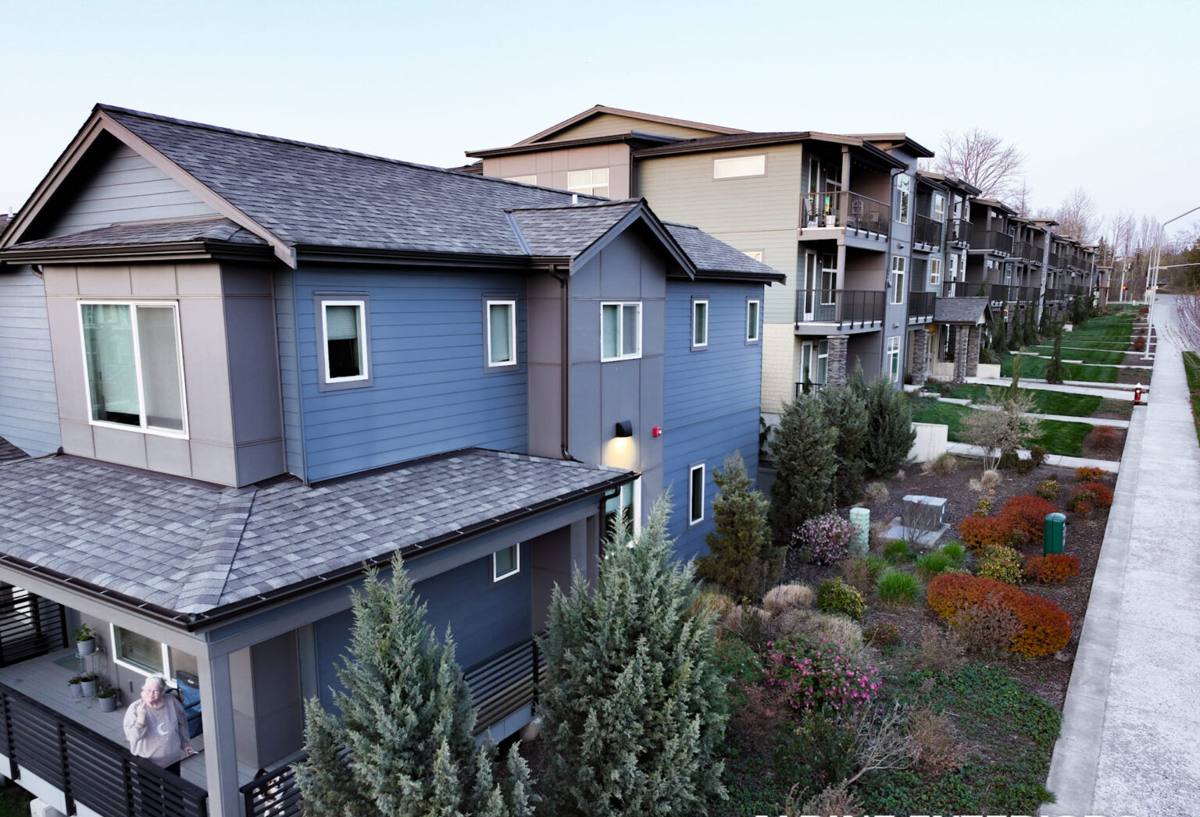
What Salt Air, Rain, and Moss Actually Do to Windows
Salt Air
Airborne salt is corrosive to exposed metal hardware — hinges, locks, cranks, and especially aluminum cladding or trim that isn't rated for coastal exposure. Over time it can pit finishes and accelerate corrosion on fasteners that aren't stainless or otherwise protected. It also settles into cracks and joints, holding moisture against surfaces longer than plain rainwater would.
Driving Rain
Bellingham's rain doesn't just fall — wind off the water frequently drives it sideways, which means it hits window assemblies at angles that gravity-only drainage details were never designed for. Flashing, sill pans, and weep systems matter more here than in a climate with mostly vertical rainfall, because water is being pushed up and under trim, not just running down the glass.
Moss and Sustained Moisture
A long moss season means extended stretches where wood trim, sills, and the siding around a window stay damp. That sustained moisture is what actually causes rot — not a single storm, but weeks of surfaces that never fully dry out. Moss and organic buildup around window perimeters trap moisture against the building and make the problem worse the longer they're left alone.
What a Correct Window Job Involves in This Climate
Replacing a window in Columbia is not just swapping the sash and calling it done. A correct installation addresses the whole assembly — the window unit itself, the flashing that manages water around it, and the sealants that tie it into the wall system.
- Proper flashing sequencing — flashing installed in the correct shingle-lap order (sill pan, sides, then head flashing over the top) so water is always directed outward, never trapped behind trim.
- Sill pans on every opening — a back-dammed sill pan catches any water that gets past the primary seal and directs it back out, rather than letting it wick into the framing.
- Corrosion-appropriate hardware — fasteners and hardware suited to salt exposure, not just whatever ships in the box.
- Compatible sealants — sealant chosen for adhesion to the specific window and siding materials involved, applied at the right points and left open where it needs to drain, not sealed shut everywhere out of habit.
- Interior air sealing — a tight interior seal reduces condensation risk, which matters as much as the exterior weatherproofing in a damp climate.
Skipping any one of these doesn't usually cause an immediate problem — it shows up two, five, or ten years later as rot in the framing, fogged glass, or water staining on interior sills. That lag is exactly why cutting corners on window work is such a common source of expensive repairs down the road.
Choosing Materials and Styles for a Columbia Home
There's no single "best" window material — the right choice depends on your home's age, siding, budget, and how much maintenance you want to take on. Here's how the common options stack up specifically for a marine climate like this one.
| Material | Coastal Performance | Maintenance | Typical Trade-Off |
|---|---|---|---|
| Vinyl | Good — won't corrode or rot, handles moisture well | Low | Limited color/finish options; can flex on very large openings |
| Fiberglass | Very good — dimensionally stable, resists moisture and salt exposure | Low | Higher upfront cost than vinyl |
| Wood-Clad | Fair — cladding protects the exterior face, but exposed wood interior needs upkeep | Moderate to high | Best look for period homes; requires diligence at joints and sills |
| Aluminum | Fair — can corrode faster near saltwater unless properly rated and finished | Low to moderate | Slim sightlines, but our standard is to avoid it directly on heavily salt-exposed elevations |
For most Columbia homes we lean toward vinyl or fiberglass on the water-facing elevations because they hold up to salt exposure without the ongoing maintenance burden. Wood-clad windows are still a great choice for homes where the look matters most, as long as the homeowner understands the maintenance commitment that comes with it.
Glazing Options
Double-pane glass is the standard baseline and performs well for most homes. Triple-pane adds meaningful sound dampening and energy performance, which is worth considering on a busier street or a home with a lot of west-facing glass catching wind-driven rain. It's a real upgrade, not a gimmick — but it also adds cost and window weight, so it's worth discussing case by case rather than assuming it's right for every opening.
Our Process for a Columbia Window Project
- On-site assessment — we look at each opening individually, not just the house as a whole. Sun exposure, wind direction, and existing water damage all vary window to window.
- Material and style selection — we walk through the trade-offs above based on your budget, your home's architecture, and which elevations take the most weather.
- Removal and inspection — once the old window is out, we check the surrounding framing for hidden rot or moisture damage before anything new goes in. This is often where problems from a prior, lower-quality install surface.
- Flashing and sill pan installation — done in the correct sequence every time, not shortcutted.
- Window installation and air sealing — set, shimmed, and sealed to manufacturer spec plus our own standards for this climate.
- Exterior trim and finish work — trim reinstalled or replaced, caulked and painted or capped as appropriate to shed water correctly.
- Final walkthrough — we check operation, seals, and finish with you before we consider the job done.
Signs Your Columbia Home's Windows Need Attention
- Fogging or condensation between panes (a failed seal on double- or triple-pane glass)
- Soft or discolored wood trim around the frame
- Drafts or noticeably higher heating bills in winter
- Difficulty opening, closing, or locking the window
- Visible gaps, cracked caulk, or peeling paint at the frame perimeter
- Moss or persistent green growth building up on sills or trim
- Water staining on interior walls or sills below a window
Any one of these on its own isn't necessarily an emergency, but several together — especially soft wood plus staining — usually means water has been getting past the seal for a while and it's worth having a closer look before it spreads into the framing.
What Affects the Cost of a Window Project
| Factor | Why It Matters |
|---|---|
| Number and size of openings | More or larger windows mean more material and labor |
| Material choice | Vinyl, fiberglass, and wood-clad carry different unit costs |
| Glazing (double vs. triple pane) | Triple-pane adds cost but improves energy and sound performance |
| Condition of existing framing | Hidden rot found during removal adds repair scope |
| Elevation and exposure | Water-facing sides may warrant upgraded flashing or materials |
| Trim and siding tie-in | Matching existing trim profiles or siding adds finish labor |
We'd rather give you an honest range after seeing the actual openings than a number pulled out of thin air over the phone — hidden framing condition alone can shift a project's scope significantly once we're into the wall.
Why It's Worth Hiring a Crew That Already Works in Columbia
Window installation isn't uniform across climates, and a crew that mostly works drier, inland jobs may not default to the flashing and sealing details that matter most here. A contractor familiar with Columbia and the surrounding Bellingham, Whatcom County area already knows which elevations tend to take the worst of the wind-driven rain, how fast moss builds up on north-facing trim, and where salt exposure tends to shorten the life of standard hardware. That local pattern recognition translates directly into fewer callbacks and windows that actually hold up to the exposure they're facing, instead of just the exposure they were designed for in a lab.
If you're weighing a window project for your Columbia home, we're happy to take a look and talk through what your specific openings need — no pressure, no obligation. Reach out using the form below to set up a free estimate.