 Bellingham Roofing
 Windows Built for Barkley's Weather, Not Just Its View
Barkley sits close enough to Bellingham Bay and the surrounding wetlands that its homes take a different kind of weather beating than houses further inland in Whatcom County. Salt-tinged air off the bay, wind-driven rain that comes in sideways during fall and winter storms, and a long, damp moss season that can stretch from October through April all put steady pressure on window frames, seals, and glazing. A window that's rated fine for a dry climate can still fail here within a few years if it wasn't chosen or installed with this specific environment in mind.
We install energy-efficient replacement windows for Barkley homeowners who are tired of drafts, condensation between the panes, sills that stay damp long after a storm has passed, or heating bills that climb every winter without much to show for it. This page covers what actually matters for a window job in this neighborhood — not a generic rundown of window types, but what we've learned installing and servicing windows in this specific part of Bellingham.
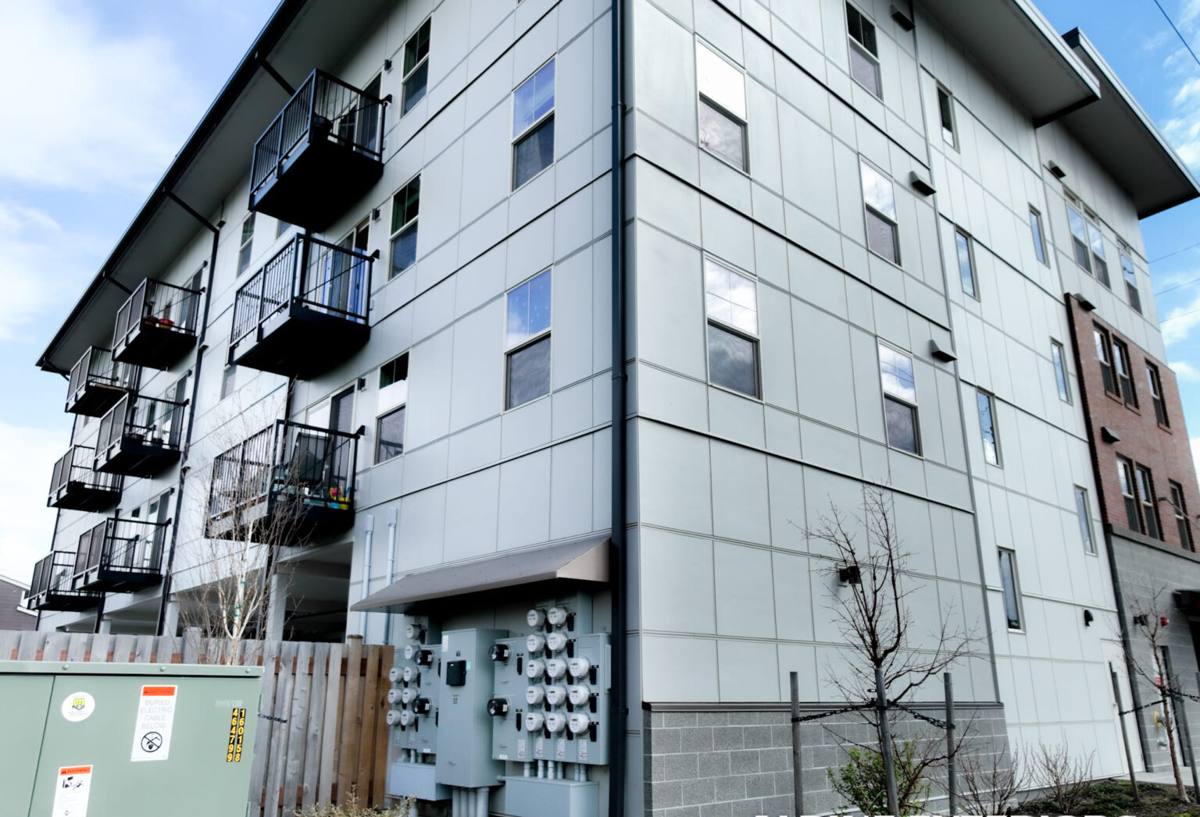
What Barkley's Climate Does to Windows Over Time
Understanding the failure pattern helps explain why the details of the job matter as much as the window itself.
Salt Air and Metal Components
Even a few miles inland, air carrying salt from the bay accelerates corrosion on hardware, cranks, and low-quality aluminum spacers inside insulated glass units. Over years, this shows up as stiff or failing locks, pitted hardware, and — in older or lower-grade units — early seal failure that lets moisture fog the glass permanently.
Driving Rain and Wind-Loaded Water
Bellingham's rain rarely just falls straight down. Wind off the water pushes it sideways and up under trim, sills, and poorly flashed openings. A window can be perfectly good and still leak if the flashing and sealant details around it were done wrong. This is one of the most common causes of interior water stains and rot we find around window openings in this area, and it's rarely the window's fault — it's the installation.
Moss and Prolonged Dampness
Moss doesn't grow on the glass, but the same damp, shaded conditions that support heavy moss growth on roofs and siding also keep window sills, trim, and lower frame sections wet for extended stretches. Wood components that stay damp for weeks at a time are far more prone to rot, and painted wood trim around older windows is often the first place we see it.
Condensation and Indoor Humidity
Cooler, wetter climates like ours put more pressure on a window's ability to manage indoor humidity. Older single-pane or early double-pane windows in Barkley homes commonly show interior condensation and, eventually, mold at the sill — a clear sign the glazing and frame are no longer keeping pace with the local climate.
What a Correct Window Job Actually Involves
Energy-efficient windows only perform as advertised when they're installed correctly. In our experience, most underperforming "efficient" windows in this area aren't defective products — they're good products installed without enough attention to the details below.
- Proper flashing integration — the window's flange must tie into the wall's weather-resistive barrier correctly, not just get caulked around the edges.
- Sill pan installation — a sloped, sealed sill pan gives any water that gets past the primary seal somewhere to drain, instead of sitting against the frame or wall sheathing.
- Air-sealing the rough opening — gaps between the window frame and the framing need to be sealed with the right material, not just stuffed with fiberglass insulation, which does little to stop air infiltration.
- Correct shimming and fastening — an out-of-square or under-supported frame stresses the sash and hardware over time, leading to sticking, poor seals, and premature wear.
- Interior and exterior trim sealed to match — trim gaps are a common, overlooked path for both drafts and moisture.
None of this is unusual or exotic — it's just the difference between a window that's "installed" and one that's installed to actually hold up against driving rain and salt air for the next few decades.
Choosing the Right Window for This Neighborhood
There's no single "best" window brand or style for every home — the right choice depends on your home's age, current window type, budget, and how exposed the house is to wind and rain. That said, a few factors matter more here than they would in a drier, calmer climate.
| Factor | Why It Matters in Barkley |
|---|---|
| Frame material | Vinyl and fiberglass resist salt-air corrosion and moisture damage better than untreated wood; wood-clad options need well-maintained exterior cladding to hold up long-term. |
| Glazing (double vs. triple pane) | Double-pane with a quality low-E coating is sufficient for most homes here; triple-pane adds real value on north- or west-facing walls that take the brunt of wind-driven rain and cold. |
| Hardware quality | Better-grade locks and cranks resist salt-air corrosion longer and keep seals compressing evenly, which matters more here than in inland, drier areas. |
| Drainage design | Look for frames with engineered weep systems — paths for any water that gets past the outer seal to drain back out rather than pool in the frame. |
| Warranty structure | Coastal-climate performance varies by manufacturer; ask what's covered for seal failure and frame degradation specifically, not just glass breakage. |
We'll walk through these trade-offs with you based on your home's actual exposure — a window on a sheltered, south-facing wall doesn't need the same spec as one facing straight into the prevailing wind and rain.
Signs Barkley Homeowners Should Watch For
Some window problems are obvious. Others build slowly enough that homeowners get used to them before realizing they're a real issue.
- Fogging or a permanent haze between the panes — a sign the seal has failed and the insulating gas or air gap is compromised.
- Drafts you can feel near the frame, even with the window fully latched.
- Soft, discolored, or spongy wood trim or sill, especially on walls that face prevailing wind and rain.
- Windows that are hard to open, close, or lock — often a sign of frame movement or corroded hardware.
- Visible moss or persistent green staining building up on sills or trim.
- Noticeably higher heating costs compared to similarly sized homes nearby.
- Condensation on the inside of the glass during cold, wet weather.
If you're seeing more than one of these, it's usually worth an inspection before deciding whether you need a full replacement, a partial re-flash and reseal, or just better maintenance.
Our Process for a Barkley Window Replacement
1. On-Site Assessment
We look at each window opening individually — not just the glass, but the surrounding trim, sill condition, and any signs of past water intrusion. Exposure varies window to window on the same house, so recommendations aren't one-size-fits-all.
2. Straightforward Recommendations
We'll tell you plainly which windows genuinely need replacement, which could be serviced or resealed, and which are fine as-is. We're not interested in selling a full-house replacement when a targeted fix solves the actual problem.
3. Careful Removal
Old windows are removed with attention to the surrounding wall assembly, checking for hidden rot or water damage behind the trim that needs to be addressed before a new window goes in — putting a new window into a compromised opening just hides the problem.
4. Correct Installation
Sill pans, flashing integration, air-sealing, and squared, properly shimmed installation — the details covered above, done the same way on every job regardless of window brand or price point.
5. Final Check and Walkthrough
We test operation, check seals, and walk through care basics with you before calling the job done.
Why Hire a Crew That Already Works This Area
Window installation guidance written for a national audience often assumes a dry, moderate climate. That guidance doesn't account for what Whatcom County's coastal weather actually does to a building envelope over time. A crew that regularly works in and around Bellingham has seen how salt air, sideways rain, and months of dampness play out on real homes — which flashing details actually hold up, which frame materials age well here, and which shortcuts show up as callbacks two or three years later.
That local experience shows up in small decisions during the job: how the sill pan is sloped, how much attention the trim gets, which sealants actually stay flexible through a wet Bellingham winter. It's the difference between a window that looks right on install day and one that's still performing well after several rainy seasons.
Maintaining Your Windows After Installation
Even a well-installed, high-quality window benefits from basic upkeep in this climate.
- Rinse salt residue and grime off exterior frames and glass a couple of times a year, especially after storms.
- Keep weep holes clear of debris, moss, and dirt so water can drain as designed.
- Check and refresh exterior caulking around trim every year or two — sealants degrade faster under constant damp exposure.
- Wipe down interior sills during cold months if you notice condensation building up.
- Trim back vegetation that keeps sills or lower trim shaded and damp, which encourages moss and slows drying.
None of this is demanding, but skipping it is exactly what shortens the life of an otherwise good window installation in a climate like ours.
If your Barkley home has drafty, foggy, or aging windows — or you're just planning ahead before the next wet season sets in — we're happy to take a look and give you a straightforward assessment. Use the form below to request a free, no-pressure estimate.