 Bellingham Roofing
 Roofing Birchwood the Way the Climate Actually Demands
Birchwood is one of Bellingham's older, well-established neighborhoods, with a housing stock that spans several decades of construction styles sitting under a heavy tree canopy just a few miles from Bellingham Bay. That combination — mature trees, marine air, and a roofline that's often been re-covered at least once since the house was built — means a new roof here has to solve for more than just "put new shingles on." It has to hold up to salt-laden air drifting off the bay, months of driving rain that finds every weak seam, and a moss season that can run nearly nine months out of the year in this part of Whatcom County.
A new roof installation done right in Birchwood isn't a different product than what goes on a roof in a drier climate — it's the same materials installed with different priorities: ventilation, underlayment coverage, flashing detail, and moss resistance get more attention here than they would in a place that doesn't see 35+ inches of annual rainfall.
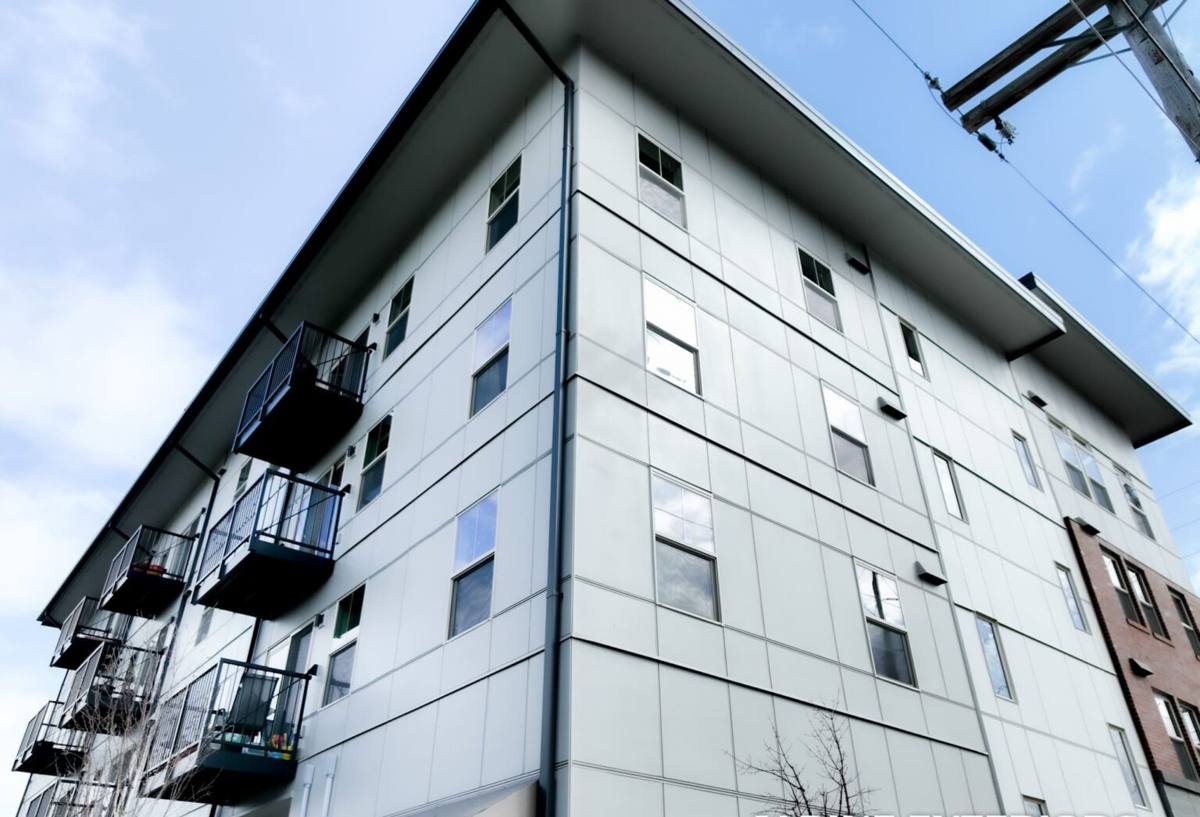
What Birchwood's Housing Stock Means for Your Roof
Because Birchwood built out over multiple decades, roofs in the neighborhood are at very different points in their lifespan — some are original 25-30 year composition roofs well past due, others are more recent tear-offs that were installed without accounting for the tree cover overhead. The mature trees that make the neighborhood shady and pleasant in summer are also the reason moss and organic debris are a bigger factor here than in newer, more exposed subdivisions. Roofs shaded most of the day dry out slower after rain, which gives moss and moisture time to work into the shingle surface and underlayment.
None of this means Birchwood needs an unusual roofing approach — it means the standard steps (deck inspection, ventilation balance, underlayment choice, and material selection) matter more here than they would somewhere drier, and skipping or rushing any of them shows up sooner rather than later.
Signs a Birchwood Home Is Ready for a New Roof
Roofs rarely fail all at once — they show warning signs for months or years before a leak actually shows up inside the house. In a wet, shaded neighborhood like Birchwood, these signs tend to show up earlier than the roof's rated lifespan would suggest.
- Granule loss showing up in gutters or at downspout outlets, especially after a hard rain
- Moss or dark algae streaking that keeps coming back within a season or two of cleaning
- Shingles that are cupping, curling at the edges, or visibly thinner-looking than the rest of the field
- Soft spots, sagging, or a slight give underfoot near valleys or roof-to-wall transitions
- Daylight visible through the attic decking, or damp insulation and musty smell in the attic
- Flashing around chimneys, skylights, or vents that's rusted, lifted, or has cracked sealant
- A roof that's 20+ years old and hasn't had a full tear-off, regardless of how it looks from the ground
Any one of these on its own isn't necessarily an emergency, but two or three together — especially on a roof already past the 20-year mark — is a strong signal it's time to plan a replacement rather than another round of patching.
What a Correct New Roof Installation Actually Involves
Tear-Off and Deck Inspection
Every proper installation starts with a full tear-off down to the roof deck — not a layover — so the deck itself can be inspected. In a moisture-heavy climate, hidden rot at valleys, around old vent boots, or near chimney flashing is common even on roofs that look fine from the street. Soft or delaminated decking gets replaced before anything new goes down; covering over damaged sheathing just hides a problem that will resurface as a leak within a few years.
Underlayment and Moisture Barrier
This is where a driving-rain climate changes the standard. We use ice-and-water shield or a comparable self-adhering membrane at eaves, valleys, and roof penetrations — the spots where wind-driven rain is most likely to push water backward under the shingle line — and a synthetic underlayment across the rest of the field for a tighter, more consistent moisture barrier than older felt products.
Ventilation
Balanced intake and exhaust ventilation matters everywhere, but in a shaded, humid neighborhood it's the difference between a roof deck that dries out between rain events and one that stays damp long enough to grow mold or rot from the underside. We check existing soffit and ridge ventilation as part of every installation and correct it where it's undersized or blocked.
Flashing and Detail Work
Most roof leaks don't happen in the open field of shingles — they happen at transitions: chimneys, skylights, sidewalls, and valleys. New step flashing, counterflashing, and valley metal are installed as part of the job, not reused from the old roof, since flashing takes the brunt of wind-driven rain in this climate and rarely has useful life left in it by the time a roof is replaced.
Material Installation
Shingles, panels, or other roofing material go down to manufacturer specification for nail pattern, exposure, and starter courses — details that directly affect wind rating and warranty validity, and that matter more in a coastal-influenced area that sees regular winter windstorms.
Choosing a Roofing Material for Birchwood's Weather
Most Birchwood homes are well served by architectural asphalt composition shingles or standing-seam metal, and the right call usually comes down to budget, roof pitch, and how much moss and moisture resistance a homeowner wants to prioritize over the life of the roof.
| Material | How It Handles Salt Air & Rain | Moss Resistance | Typical Lifespan |
|---|---|---|---|
| Architectural asphalt shingle | Good with proper underlayment and flashing; the most common, best-value choice locally | Moderate — algae-resistant (AR) shingles help, but shaded roofs still need periodic cleaning | 25-30 years |
| Standing-seam metal | Very good; sheds water fast and has no seams for wind-driven rain to find | High — smooth, non-porous surface gives moss little to hold onto | 40-50+ years |
| Synthetic/composite shingle | Good; engineered to resist moisture absorption better than wood-based products | Moderate to high, depending on product | 30-50 years |
| Cedar shake | Requires diligent maintenance in a wet, shaded climate; moisture retention is the main long-term concern | Low without regular treatment and cleaning | 20-30 years with upkeep |
We don't install cedar shake as a standard offering — not because it's a bad-looking product, but because in a shaded, high-moisture neighborhood like Birchwood it demands a maintenance schedule most homeowners underestimate, and moisture retention shortens its practical life faster than the other options above. We're glad to talk through the honest trade-offs of each material for your specific roof and budget.
Our New Roof Installation Process
- On-site assessment — we walk the roof and attic, check deck condition, ventilation, and flashing points, and take real measurements rather than estimating from the ground.
- Written estimate — a clear scope covering material, tear-off, deck repair allowances, and warranty terms, with no vague line items.
- Permitting — we handle the local permit process so the job is inspected and documented properly.
- Tear-off and deck prep — old roofing removed, deck inspected and repaired as needed.
- Underlayment, flashing, and material installation — installed to manufacturer spec, with extra attention at valleys, penetrations, and eaves.
- Cleanup and magnetic sweep — job site and yard cleared of debris and stray fasteners.
- Final walkthrough — we review the finished roof with you before calling the job complete.
Moss, Moisture, and Long-Term Roof Care in a Marine Climate
A new roof installation is the best point to get ahead of moss rather than fight it later. Proper ventilation, algae-resistant shingle products where appropriate, and clean roof-to-gutter transitions all reduce how fast moss and organic buildup return after installation. That said, no roofing material in a shaded, marine-influenced climate like this one is entirely maintenance-free — periodic gentle cleaning (never high-pressure washing, which strips granules) and keeping gutters clear so water isn't backing up under the eaves will meaningfully extend the life of any new roof.
Why a Crew That Already Works Birchwood Matters
A roofing crew that regularly works Birchwood and the surrounding Bellingham area already knows the pattern this neighborhood's roofs tend to follow — where moss builds up fastest, which older roof-to-wall details tend to need extra flashing attention, and how local permitting and inspection works. That familiarity shows up in fewer surprises mid-job and a scope of work that accounts for the realities of a Whatcom County roof from the estimate stage, not after the tear-off is already underway.
Warranty and What to Expect Afterward
A correctly installed roof should come with both a manufacturer's material warranty and a workmanship warranty from the installing contractor — these cover different things, and it's worth understanding both before signing a contract. Material warranties cover defects in the shingle or panel itself; workmanship warranties cover installation errors like flashing or fastening mistakes. Ask any contractor you're vetting to explain both in writing, not just quote a warranty length.
If you're weighing a new roof for a Birchwood home, we're happy to take a look and give you a straightforward, no-pressure estimate — no exaggerated urgency, just an honest read on your roof's condition and what it would take to do the job right. Use the form below to get started.