 Bellingham Roofing
 Deck Repair Built for Fairhaven's Conditions
Fairhaven sits close to Bellingham Bay, and a deck there lives a harder life than one built a few miles inland. It's outdoors, mostly uncovered, and exposed to the full run of what this stretch of Whatcom County throws at exterior wood and fasteners over a year: salty marine air, rain that comes in sideways more often than straight down, and a moss and mildew season that can stretch across most of the calendar. None of that is dramatic on its own. It just adds up, quietly, in the joints, connections, and hidden framing that hold a deck together long after the surface still looks fine.
We repair decks throughout Whatcom County, and Fairhaven's older housing stock, hillside lots, and proximity to the water make it one of the areas where we see deck problems show up earlier and in more predictable places than elsewhere in Bellingham. This page is about what that actually means for deck repair here specifically, not a generic rundown of deck maintenance.
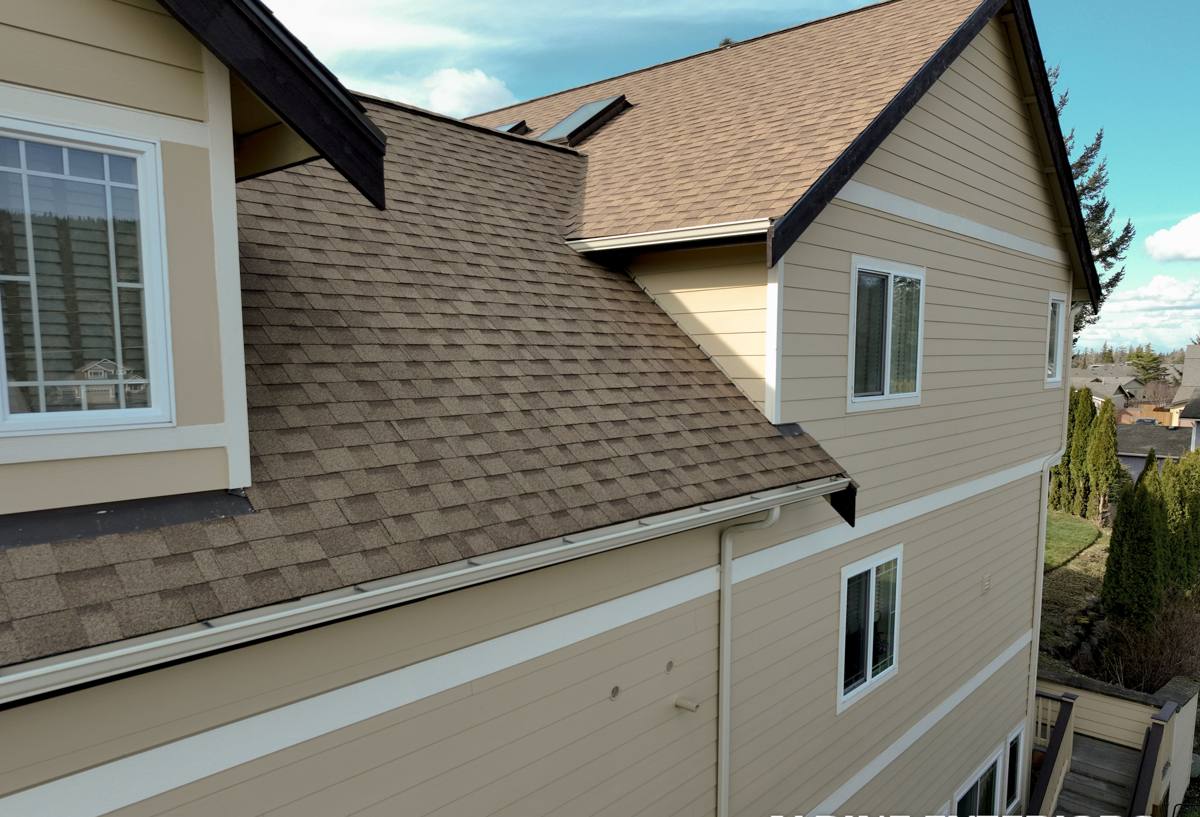
How Bellingham Bay's Climate Wears Down a Deck
Salt-Tinged Marine Air
Homes near the bay sit in a steady drift of mildly corrosive, moisture-laden air, not just during storms but as a background condition most of the year. Over time that works on metal fasteners, joist hangers, and hardware, especially anything that isn't rated for coastal exposure. Corrosion at a connection point is one of the more serious things we find on older Fairhaven decks, because it's structural and it's almost never visible from the top of the deck.
Wind-Driven Rain and Standing Water
Rain near open water tends to be pushed by wind rather than falling straight down, which means it gets into gaps, board seams, and ledger connections that a deck built for a calmer inland site was never really tested against. Combine that with Bellingham's overall rainfall and you get boards and framing that spend more time wet, and take longer to dry out between storms, than the same deck would in a drier climate.
A Long Moss and Mildew Season
Mild, damp conditions and mature tree cover, both common in Fairhaven's older residential blocks, add up to extended moss and algae growth on deck surfaces, especially in shaded corners and under railings where sunlight rarely reaches. Beyond looking bad, moss holds moisture directly against the wood surface and makes boards slicker and more slip-prone underfoot, which is a real safety issue on stairs and near steps.
Hillside Lots and Drainage
A fair number of Fairhaven properties sit on sloped ground leading up from the waterfront. That affects how a deck is framed, how water drains away from posts and footings, and how much a support structure has to account for grade instead of sitting on flat, uniform ground. Decks on sloped lots often have taller support posts and more complex framing, both of which need to be inspected differently than a simple ground-level deck.
Signs a Fairhaven Deck Needs Repair, Not Just Cleaning
Some deck problems are cosmetic and some are structural, and it's not always obvious which is which from a quick look. Here's what we tell Fairhaven homeowners to check for before assuming a pressure wash or a fresh coat of stain will fix things:
- Boards that feel spongy, soft, or flex noticeably when you walk on them
- Fasteners with rust bleed, or screw heads that have started to back out or strip
- Gaps opening up where the deck ledger board meets the house
- Railings or guardrail posts that wobble or shift when pushed
- Persistent green or black growth that comes back within weeks of cleaning
- Stair stringers that feel uneven, bouncy, or show visible cracking
- Discoloration or staining on the underside of the deck, which often points to a leak at the ledger or a flashing gap above
- Any post base sitting in standing water or visibly rotted at the bottom
Any one of these on its own might be minor. Several together, especially anything involving the ledger board or the support posts, usually means the deck needs a real structural look rather than a surface fix.
What a Correct Deck Repair Actually Involves
A repair that only replaces what's visibly damaged on top can leave the underlying problem in place. We approach deck repair in three layers, in this order, because fixing the surface before checking what's under it just means redoing the work later.
1. Structural Framing and the Ledger Connection
The ledger board, where the deck attaches to the house, is the single most important connection on most decks and the most common source of hidden water damage. We check the flashing above the ledger, the fasteners holding it to the framing, and whether water has been tracking behind it into the house's wall structure. Joists, beams, and posts get checked for rot, insect damage, and connection hardware that's corroded or undersized for current code.
2. Decking Boards and Fasteners
Individual boards get evaluated for soft spots, splitting, and fastener condition. On older decks we frequently find a mix of fastener types from prior repairs, which is worth correcting since mismatched or incompatible hardware between wood and coated fasteners can accelerate corrosion at the contact point.
3. Railings, Guardrails, and Stairs
Guardrails and stair railings take direct structural loads from people leaning or grabbing on, so any looseness here gets fixed properly, not just tightened. Stair stringers get checked for even rise and run and for rot at ground contact points, which is one of the most common failure spots on any deck stair system.
Repair vs. Replacement: How We Make the Call
Not every deck problem calls for a full rebuild, and not every deck is worth patching indefinitely. The honest answer usually comes down to where the damage is and how much of the structure it's reached.
| Factor | Usually Repairable | Usually Needs Replacement |
|---|---|---|
| Ledger board condition | Solid, flashing intact, isolated fastener corrosion | Rot behind the ledger or long-term water tracking into the house wall |
| Framing (joists/beams) | A few isolated soft spots | Widespread rot or insect damage across the frame |
| Decking boards | Scattered damaged boards, rest of surface sound | Most boards cupping, splitting, or soft |
| Support posts and footings | Stable footing, isolated post-base rot | Footings undersized, shifted, or below current code |
| Age of original build | Well-built, under roughly 10-15 years old | Older deck built to outdated span or connection standards |
Deck repair is generally the more affordable path when the damage is contained, and it can meaningfully extend the life of a structurally sound deck. Replacement makes more sense once the framing itself is compromised, since rebuilding on a bad structural base just relocates the problem a few years down the road.
Materials We Use for Deck Repairs in This Climate
We're straightforward with Fairhaven homeowners about material trade-offs rather than steering everyone toward the same product regardless of budget or use case.
Composite Decking
For decking board replacement, we generally recommend composite over natural wood in a climate this consistently damp. Composite doesn't absorb moisture the way wood does, which means less cupping, splitting, and moss growth over time, and it doesn't need the recurring sanding, staining, and sealing that wood decking requires to hold up here. The trade-off is upfront cost, which runs higher than pressure-treated lumber board for board.
Pressure-Treated Lumber
Pressure-treated wood is still a sound choice for structural framing, joists, beams, and posts, where it isn't exposed to foot traffic and doesn't need to look finished. It's more budget-friendly, but as a decking surface in this climate it needs more consistent upkeep, cleaning, and resealing to keep moisture and moss from getting a foothold.
Cedar
Cedar has natural rot resistance and a look a lot of homeowners like, and we'll work with it on repairs where matching existing cedar decking makes sense. It's a more maintenance-intensive choice long-term in a marine climate than composite, and we say so plainly rather than overselling it.
Hardware and Fasteners
Whatever the decking material, we use fasteners and structural hardware rated for coastal or high-moisture exposure. It costs a bit more than standard-grade hardware, but given how much of the deck's real lifespan comes down to the connections nobody sees, it's not a place we cut corners.
Our Deck Repair Process in Fairhaven
- On-site inspection: We walk the full deck, check the ledger and flashing, get under the structure where access allows, and test boards, railings, and stairs by hand rather than just by eye.
- Honest scope and estimate: You get a clear breakdown of what's structural, what's cosmetic, and what our recommendation is, along with a written estimate before any work starts.
- Structural repairs first: Framing, ledger, and post issues get addressed before anything cosmetic, since surface work over an unresolved structural problem doesn't hold up.
- Decking, railing, and stair work: Damaged boards, fasteners, and railing components get replaced with materials matched to the rest of the deck wherever possible.
- Final walkthrough: We check the repaired areas with you and point out anything worth keeping an eye on going forward.
Maintenance Fairhaven Homeowners Can Do Between Visits
Good maintenance doesn't replace a proper repair when something is structurally wrong, but it does slow down how fast Fairhaven's climate wears on a deck between now and your next inspection.
- Sweep leaves and debris off the deck regularly, especially in fall, so moisture doesn't sit trapped against the boards
- Clean moss and algae off the surface as soon as it appears rather than letting it establish, particularly in shaded corners
- Keep gutters and downspouts near the deck clear so runoff isn't draining directly onto or under it
- Check railings and stair handrails periodically for looseness rather than waiting for them to feel unsafe
- Trim back shrubs or landscaping that keeps sections of the deck shaded and slow to dry
- Reseal or restain wood decking on the manufacturer's recommended schedule, not just when it visibly needs it
Why a Local Whatcom County Crew Matters for Deck Repair
A crew that works Fairhaven and the surrounding Bellingham area regularly knows how salt air, wind-driven rain, and moss actually behave on real decks over a full year, not just how a fastener or a board performs on a spec sheet. That shows up in practical judgment calls on a repair: which connections are most likely to be corroded even when they look fine, which corners of a deck stay damp longest and need extra attention, and which shortcuts common in older construction are worth correcting rather than just patching around. Fairhaven's hillside lots, older housing stock, and closeness to the bay aren't identical to conditions elsewhere in Bellingham, and that context matters when you're deciding what a repair should actually include.
If your Fairhaven deck has soft spots, loose railings, or just needs an honest look from someone who won't oversell you on a full rebuild you don't need, we're glad to take a look. Reach out using the form below to schedule a free, no-pressure estimate.