 Bellingham Roofing
 Deck Repair Built for the Way Columbia Actually Weathers
Columbia is one of Bellingham's older, established neighborhoods, with a good mix of homes that have had a deck added, rebuilt, or expanded at some point in their history. That means a lot of variety in what's actually holding those decks up — different eras of lumber, different fastener choices, different ledger connections. When we get called out for deck repair in Columbia, we're rarely looking at a brand-new structure with one clean problem. We're looking at a deck that's been doing its job through a lot of Bellingham winters, and it shows.
This page is about deck repair specifically — not new deck builds. If your deck is structurally sound but showing wear, damage, or early rot, repair is almost always the smarter, less expensive path. Our job is to tell you honestly which category your deck falls into, and then do the repair correctly, not just cosmetically.
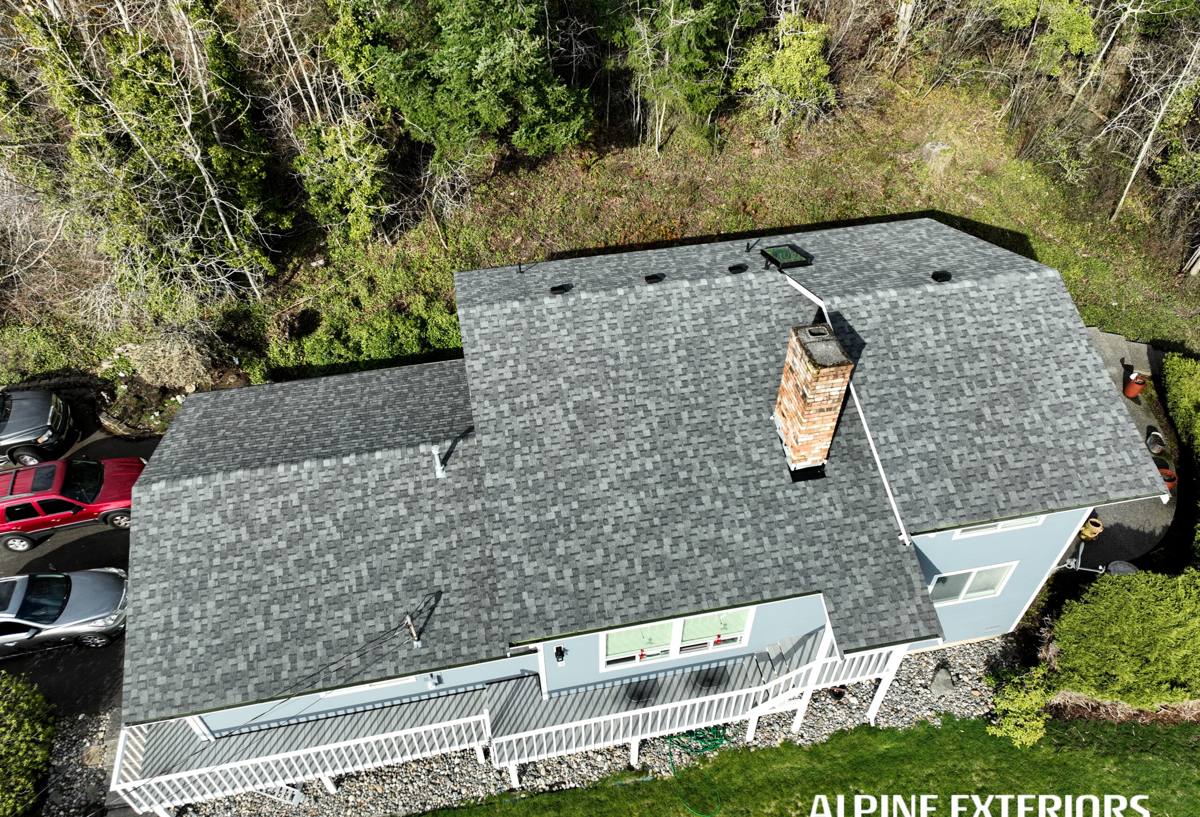
What Bellingham's Climate Does to a Deck Over Time
Whatcom County sits in a marine climate, and Columbia's proximity to Bellingham Bay means homes here deal with a specific combination of stressors that inland decks don't face nearly as much.
Salt Air and Metal Fasteners
Bay-influenced air carries a faint but persistent salt content, and over years that salt content accelerates corrosion on lower-grade fasteners, joist hangers, and hardware. Standard electro-galvanized screws and nails that might hold up fine 30 miles inland can start rusting and weakening well ahead of schedule near the water. This is one of the most common hidden causes of a deck that "looks fine" but has soft connection points underneath.
Moss, Algae, and Standing Moisture
Bellingham's long, wet season and heavy tree cover in older neighborhoods like Columbia create ideal conditions for moss and algae to establish on deck boards, especially anywhere shaded or slow to dry. Moss isn't just a slip hazard — it holds moisture directly against the wood surface for weeks at a time, which is exactly the environment wood rot needs to take hold.
Driving Rain and the Ledger Board
The ledger board — where the deck attaches to the house — is the single most important structural connection on most decks, and it's also the point most exposed to driving rain running down siding and pooling at the house wall. A failed or poorly flashed ledger connection is a safety issue, not just a maintenance one, and it's one of the most common findings we make on older Bellingham decks.
Signs Your Columbia Deck May Need Repair
Most deck problems don't show up as a dramatic failure — they show up as small signs that are easy to write off. Here's what we tell Columbia homeowners to actually check:
- Soft, spongy, or springy spots underfoot, especially near the house or stair landing
- Visible gaps, staining, or dark streaking where the deck meets the siding (a ledger flashing red flag)
- Persistent green or black film on boards that returns quickly after cleaning
- Wobbly, loose, or leaning railings — a common liability issue on older decks
- Rust streaks below joist hangers, screws, or bolts
- Boards that have cupped, split lengthwise, or pulled away from fasteners
- Stairs that feel bouncy or have uneven rise between steps
- A musty smell coming from underneath the deck structure
Any one of these on its own might be minor. Two or three together usually means it's time for a real inspection rather than another season of "we'll get to it."
What a Correct Deck Repair Actually Involves
Structural First, Cosmetic Second
A repair that only replaces the boards you can see, without checking what's underneath, isn't a real repair — it's a temporary cover-up. Before we touch a single deck board, we check the framing: joists, beams, posts, and especially the ledger connection. If there's rot or corrosion in the structure, that gets addressed first, even if it means opening up more of the deck than the homeowner originally called about.
The Ledger Connection
Given how much trouble ledger boards cause on Bellingham-area decks, we pay particular attention to flashing at the house connection. Correct ledger flashing directs water away from the house wall and the ledger board itself, rather than letting it collect there. On repair jobs, this is often the difference between a deck that holds up another 15 years and one that fails again in three.
Fastener and Hardware Upgrades
When we're already into a connection point for repair, it's the right time to upgrade to corrosion-resistant fasteners and hardware rated for the moisture and salt exposure this area sees — rather than replacing like-for-like with the same grade of hardware that failed in the first place.
Matching, Not Patching
Board replacement should match the existing decking as closely as possible in material, width, and finish, so repaired sections don't stand out as an obvious patch. Where an exact match isn't available, we'll tell you that upfront and talk through the options rather than surprising you at the end.
Repair vs. Replacement: How We Decide
Not every damaged deck needs to be torn out. We look at the extent and location of the damage, not just its presence, before recommending a path.
| Factor | Repair Usually Makes Sense | Replacement Worth Considering |
|---|---|---|
| Framing condition | Joists and beams are sound, damage is isolated | Widespread rot in the main structural framing |
| Ledger connection | Flashing issue caught early, wood underneath still solid | Ledger board itself has significant rot |
| Decking boards | Scattered boards affected, rest of surface is sound | Most boards are cupped, splitting, or soft |
| Railings and stairs | Loose but structurally intact posts and balusters | Posts pulling from rotted framing, code-noncompliant spacing |
| Age of the deck | Well-built deck, damage is from a specific cause | Deck is at or past typical service life for its material |
In a lot of cases, the honest answer is a hybrid: replace the worst sections structurally and cosmetically, repair the rest. We'll always explain the reasoning behind the recommendation, not just hand you a number.
Our Deck Repair Process
- On-site inspection. We walk the full deck, check underneath where accessible, and test the ledger connection and key framing points, not just the visible surface.
- Written scope and estimate. You get a clear breakdown of what needs structural repair, what's cosmetic, and what we recommend versus what's optional.
- Demo of affected areas only. We open up what needs to be opened up — no unnecessary demolition, but no shortcuts around hidden damage either.
- Structural repair. Framing, ledger flashing, and hardware are addressed first, using fasteners suited to this area's moisture and salt exposure.
- Decking and railing repair. Damaged boards, railings, and stair components are replaced or repaired to match the existing deck as closely as practical.
- Final walkthrough. We go over the repair with you, point out anything worth watching, and talk through simple maintenance to protect the work going forward.
Why Local Experience in Columbia Matters
A crew that already works decks in Columbia and the surrounding Bellingham neighborhoods has seen how this specific combination of tree cover, bay-influenced air, and long wet seasons actually plays out on real decks over time — not in a textbook, but in the failure patterns we run into job after job. That's useful, because it means we're not guessing at what caused the damage or what will prevent it from coming back; we've usually seen the same setup before on a similar home nearby. It also means we understand the older construction methods common in this part of Whatcom County, so repairs tie into existing framing correctly instead of fighting it.
Being local also means we're not disappearing after the invoice. If something about the repair needs a follow-up look after the next wet season, we're a short drive away, not a company that worked the neighborhood once and moved on.
Protecting the Repair After We Leave
A correct repair buys you years, but a little seasonal upkeep buys you more. A few habits make a real difference in this climate:
- Clear leaves and debris from between boards before fall rains set in — trapped organic matter is what feeds moss and rot
- Rinse or lightly scrub shaded, moss-prone areas before growth gets established rather than after
- Keep gutters and downspouts near the deck clear so runoff isn't dumping extra water onto or under the structure
- Re-seal or refinish wood decking on the manufacturer's recommended schedule, not just when it looks faded
- Do a quick check of railings and stair connections once a year — loose hardware is easy to catch early and cheap to fix
None of this requires special equipment or a big time investment. It's the difference between a deck that needs another repair visit in a few years and one that just needs normal maintenance.
Get a Straight Answer on Your Deck
If your deck in Columbia has soft spots, moss you can't get ahead of, a shaky railing, or you're just not sure whether it needs repair or replacement, we're happy to come take an honest look. We'll tell you what we find, what it actually needs, and what it doesn't — no pressure, no upsell. Fill out the form below for a free estimate.