 Bellingham Roofing
 Deck Building for Silver Beach Homes
Silver Beach sits along the north end of Lake Whatcom, and it's one of those Bellingham neighborhoods where a deck isn't just an outdoor add-on — it's the main way a lot of these homes actually use their lake-adjacent lots. Tree cover is heavy through here, lots slope toward the water on plenty of properties, and the mix of housing ranges from older lake cabins that have been added onto over the years to newer construction built with the view in mind. A deck in this setting has to do real work: hold up on a shaded, often sloped lot, shed a lot of rain, and still look and feel right for sitting outside and looking at the lake.
That combination — shade, slope, and sustained dampness — is a different set of demands than a deck built on an open, sun-exposed lot elsewhere in the county. We build decks across Bellingham and Whatcom County, but a Silver Beach project gets planned around this specific setting, not a generic spec.
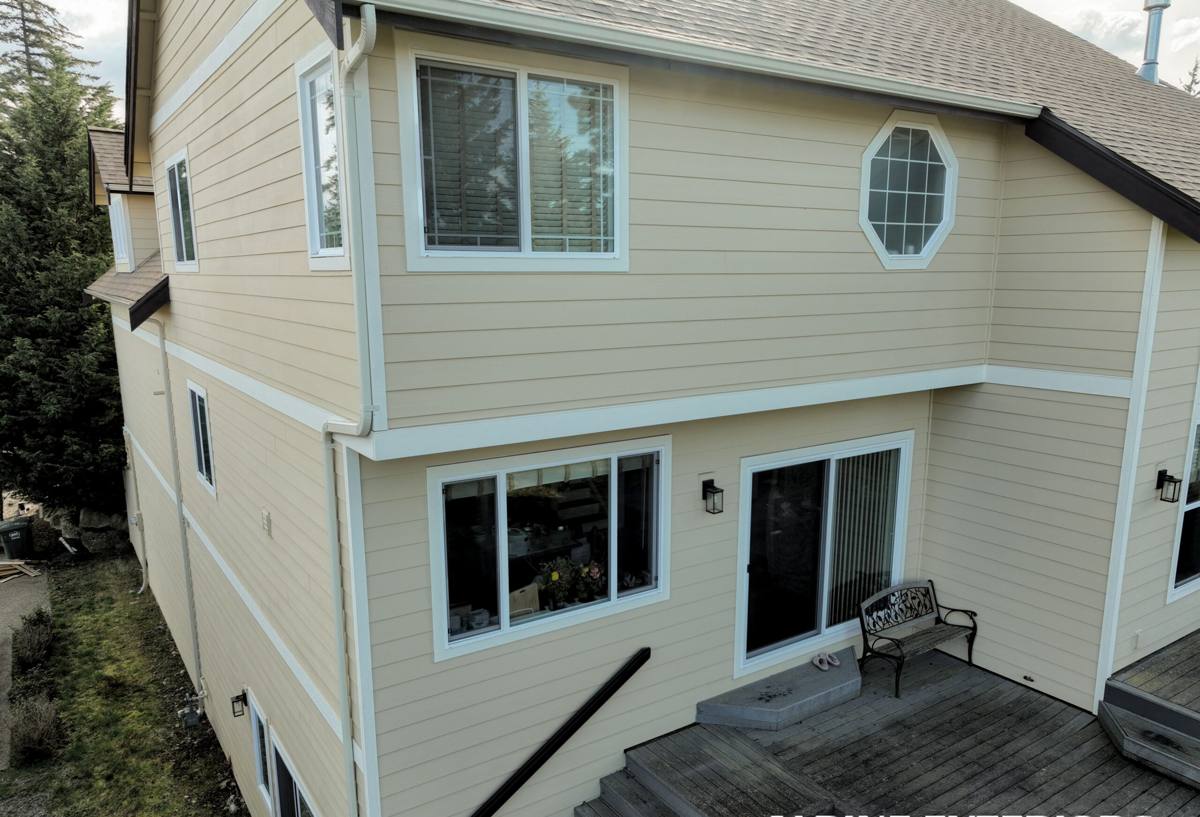
What This Setting Asks of a Deck
Shade, Tree Cover, and a Long Moss Season
Heavy tree cover keeps a lot of Silver Beach decks out of direct sun for long stretches of the day, which sounds pleasant and mostly is, but it also means the decking surface dries out slower after every rain. Combined with Whatcom County's long, wet stretch of the calendar, that adds up to a moss and algae season that can run most of the year on shaded boards. On a wall, moss is a cosmetic problem. On a deck, moss on a walking surface is a slip hazard, which changes how seriously the detailing needs to be taken.
Wind-Driven Rain and the Ledger Board Connection
The single most important connection on most decks is the ledger board — the framing member bolted to the house that carries a large share of the deck's structural load. Wind-driven rain common to this region can work its way behind a poorly flashed ledger over time, and because that connection is against the house's rim joist, a slow leak there isn't just a deck problem, it's a house structure problem. Flashing that connection correctly matters everywhere we build, but it matters even more on a shaded lot where whatever moisture does get in has less sun and airflow to dry it back out.
Salt-Tinged Air and Hardware Corrosion
Whatcom County's marine air reaches inland past the immediate shoreline, and a deck has more exposed metal per square foot than almost any other part of a house — joist hangers, structural screws, post bases, railing brackets. Under-spec or mismatched hardware corrodes faster in this air than it would in a drier inland climate, and hidden structural hardware failing quietly is a much bigger problem than a fastener rusting somewhere visible.
Lakeside Soil and Footing Depth
Ground near the lake tends to hold moisture longer than well-drained soil further from the water, and slope adds its own complications for footing placement and post height. Footings poured to the depth and bearing requirements set by local code, sized correctly for the soil they're going into, are what keep a deck from settling unevenly a few years down the road — a slower, quieter failure than a rotted board, but a more expensive one to fix after the fact.
Permits and Lake-Proximity Considerations
Any new deck of meaningful size in Bellingham needs a building permit, same as anywhere in the city. What's worth flagging specifically for Silver Beach is that lake-adjacent properties can sometimes fall under additional shoreline-related review depending on the lot's exact location and how close the structure sits to the water. We're not going to guess at your specific lot's status here — it depends on the parcel — but it's exactly the kind of thing worth confirming with the city or county early, before design work is finalized, rather than after materials are ordered. Part of our process on lake-area projects is checking this at the start so it doesn't become a delay later.
Decking Material Options for Silver Beach
There isn't one single correct decking material for every home here — it depends on how much sun a given deck gets, how much upkeep a homeowner wants to do, and budget. What matters is being honest about how each option actually behaves in a shaded, damp setting like this one, rather than just selling whatever has the best margin.
| Material | Behavior in Shade & Moisture | Maintenance Here | Realistic Lifespan |
|---|---|---|---|
| Capped composite (e.g. Trex, TimberTech) | Resists moisture absorption; surface doesn't feed moss the way bare wood can | Low; periodic washing to clear surface growth | 25-30+ years |
| Pressure-treated wood | Treated core resists rot, but the surface still holds moisture and grows moss on shaded boards | Moderate to high; regular cleaning and periodic sealing | 10-15 years before major boards need replacing |
| Cedar | Naturally rot-resistant but absorbs surface moisture without upkeep | High; sealing or staining on a recurring cycle | 10-20 years with consistent maintenance |
Composite costs more up front, and we tell people that plainly rather than downplaying it. On a shaded, slow-drying lot like a lot of Silver Beach properties, that upfront cost buys a meaningfully lower maintenance burden over the life of the deck. On a sunnier, more exposed lot, a well-maintained wood deck can make more sense. We'll talk through which fits your specific site rather than pushing one answer for every home.
The Framing Underneath Matters as Much as the Decking on Top
Whatever surface material you choose, the structural frame underneath — posts, beams, joists — is almost always pressure-treated lumber rated for ground contact where it touches soil or concrete. That part of the build isn't really optional or a style choice; it's the difference between a deck that's sound in twenty years and one with hidden rot in the frame under decking that still looks fine on top.
What a Correct Deck Build Actually Involves
A deck's finished look — clean boards, a solid railing — hides most of what actually determines whether it lasts. A correct build includes:
- Footings sized and set to the depth local code and soil conditions require, not just "deep enough to hold a post"
- A properly flashed ledger board connection where the deck ties into the house, keeping water out of the house's rim joist
- Joist hangers, structural screws, and post hardware rated for this region's moisture and corrosion exposure
- Deck boards gapped correctly for drainage and airflow underneath, so shaded boards can actually dry between rains
- Railings and guards built to current code height and baluster spacing, especially on any deck with a meaningful drop to grade or toward the lake
- Stairs with proper rise, run, and landing dimensions, not squeezed in to fit the space
- Final inspection sign-off from the city, confirming the structure meets code rather than just looking finished
Skip any one of these and the deck can still look complete on the day it's built. What actually shows up later — a soft spot near the ledger, a post that's settled unevenly, a railing that flexes more than it should — is exactly what a corner-cutting build gets away with until it's the homeowner's problem.
Our Process for a Silver Beach Deck Project
Walkthrough and Design
We start on site, looking at the lot's slope, shade pattern, and how the deck will actually get used — entertaining, lake access, quiet morning coffee — since that shapes size and layout as much as anything else. On lake-adjacent lots we also flag anything that looks like it might touch shoreline review early.
Permitting and Engineering
We handle the permit application and any structural details the city requires, sized to your specific footprint, height, and soil conditions rather than a generic plan pulled off the shelf.
Build
Footings, framing, ledger flashing, decking, and railings go in following manufacturer specs where a specific material is involved and code requirements throughout. On shaded, sloped lots we pay particular attention to drainage under the deck and airflow around framing members, since that's where moss and slow-drying wood cause the most trouble later.
Final Walkthrough
We walk the finished deck with you, cover what upkeep actually looks like for the material you chose, and make sure you know what to check on your own between visits from us.
Why Hire a Crew That Already Works Silver Beach
Silver Beach's mix of slope, shade, and lake-adjacent lots isn't the same building environment as a flat, open lot elsewhere in Bellingham, and a crew that's built decks through this specific neighborhood has already run into the practical questions before you have to — how much footing depth actually holds on this kind of ground, which orientations stay damp long enough that drainage detailing isn't optional, and what shoreline-adjacent permitting tends to look like on lots like these. That's the kind of judgment that comes from doing the work here repeatedly, not from a general deck-building background applied to any lot.
Cost Factors for a Silver Beach Deck
| Factor | Why It Matters Here |
|---|---|
| Deck size and height off grade | Taller decks need more substantial framing, footings, and railing structure |
| Decking material chosen | Composite costs more upfront than wood but shifts less maintenance onto you over time |
| Site slope and access | Sloped lake-adjacent lots can complicate footing placement and material access |
| Permit and engineering complexity | Lake proximity or unusual soil conditions can add review steps |
| Railings, stairs, and features | Multi-level decks, benches, or privacy screening add material and labor |
We'll walk your specific lot and give you real numbers based on what your site actually needs, rather than a rough estimate off square footage alone. Two similarly sized decks on Silver Beach lots can cost noticeably different amounts depending on slope, access, and how much of the permitting picture is straightforward versus not.
Keeping Your Deck Ahead of Moss and Moisture
Once a deck is built correctly, upkeep in this climate is mostly about staying ahead of moisture rather than fixing damage after the fact. A yearly clean to clear moss and debris before it has a chance to sit on the boards through another wet season goes a long way, especially on shaded sections that stay damp the longest. Keeping gutters and downspouts clear near the ledger connection matters too, since a lot of ledger problems start with water that had somewhere else to go before it found the house. For wood decking, staying on top of a sealing or staining schedule rather than letting it slip a season or two makes a real difference in how long the boards actually last.
If you're planning a new deck or replacing an aging one in Silver Beach, we're happy to walk the property, talk through what your specific lot and lake exposure call for, and give you a straightforward, no-pressure estimate. There's a form below — reach out and we'll set up a time to take a look.