 Bellingham Roofing
 Windows That Have to Work in a Marine Climate
York sits close enough to the water and the weather patterns that move through Whatcom County that its windows take a different kind of beating than windows a hundred miles inland. Salt-tinged air off the Sound, driving rain that comes in sideways during winter storms, and a moss season that can stretch from October through May all put steady pressure on window frames, seals, and glazing. None of that damage happens overnight. It shows up slowly, as a draft that wasn't there last year, a sash that sticks, or a heating bill that keeps creeping up even though nothing in the house has changed.
Energy-efficient windows done right aren't just about a lower utility bill, though that's part of it. In this climate they're also a moisture management system, a noise buffer, and a line of defense against the slow rot that under-built or poorly flashed windows invite. When we talk about "energy-efficient windows" for a York home, we're talking about the whole assembly — frame material, glass package, and installation detail — working together against Bellingham's specific weather, not a generic upgrade pulled off a shelf.
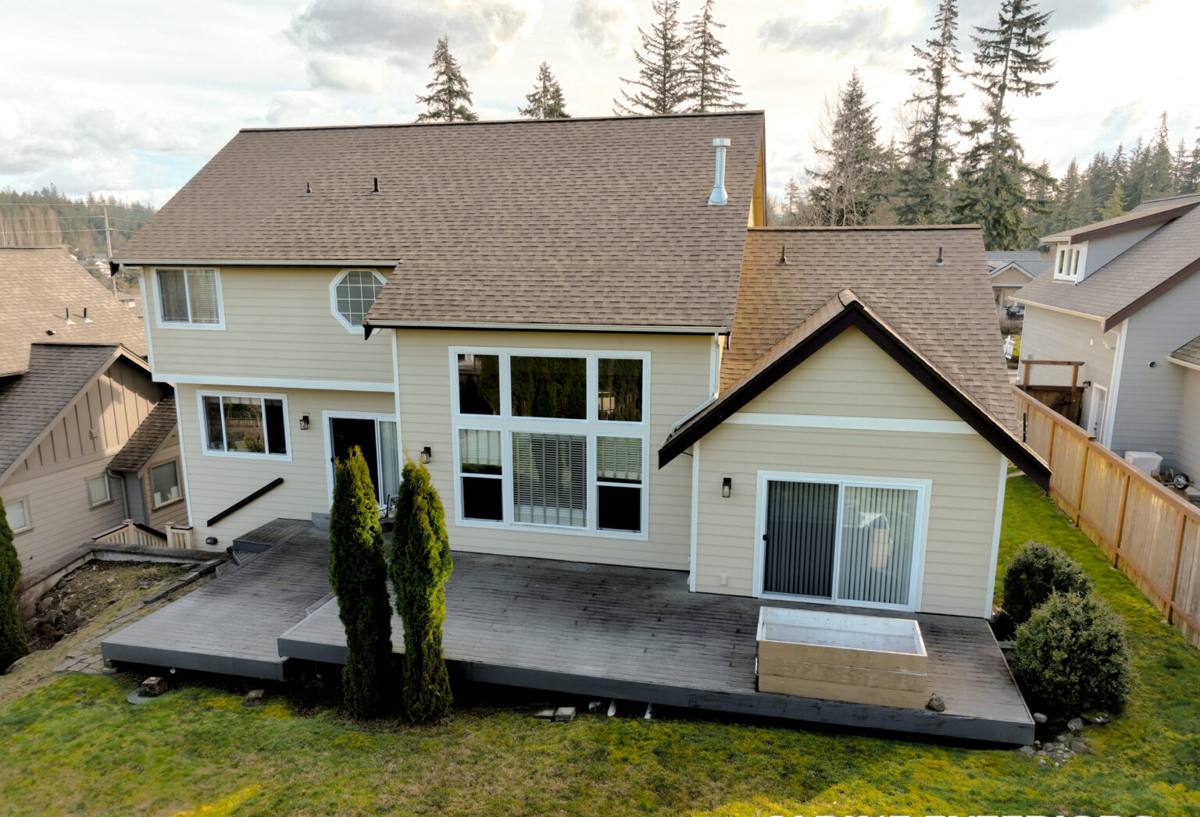
Why York's Housing Stock Needs a Closer Look
Like a lot of established Bellingham neighborhoods, York has a mix of home ages and construction styles — older homes with original single-pane or early double-pane windows sitting a block or two from more recently updated properties. That mix matters because the right window fix for a 1940s frame is not the same fix for a 1990s vinyl-clad opening that's simply failed early.
Older homes in this kind of neighborhood often have wood-framed openings that were never sized to modern window standards, plus decades of paint, settling, and prior repairs layered on top. Newer homes may have the right bones but low-grade glass packages or seals that were never rated for the amount of wind-driven rain this area actually sees. Either way, a window replacement in York is rarely a simple swap — it's an assessment of what's actually behind the trim before anything gets ordered.
Common Issues We Find in This Area
- Fogging or a cloudy haze between panes — a sign the seal on a double-pane unit has failed and the gas fill is gone
- Soft or spongy wood at the sill or lower corners, often from years of moisture wicking in past an old seal
- Visible daylight or a draft at the frame edge when you run a hand along it on a windy day
- Moss or dark streaking building up on the exterior sill and lower sash, a sign water is sitting instead of shedding
- Windows that are hard to open, lock, or latch cleanly — frame swelling from moisture is a common cause
What "Energy-Efficient" Actually Means Here
Manufacturers rate windows using a few core numbers, and in a marine climate like Bellingham's, two of them matter more than the others.
U-Factor
U-factor measures how well a window keeps heat inside during our long, damp, gray-sky heating season, which for most Whatcom County homes runs a good chunk of the year. Lower is better. This is the number that has the biggest direct effect on your winter heating bill.
Air Infiltration Rating
This measures how much air leaks through the window assembly itself, not just the glass. In a location that gets sustained wind-driven rain, a window with a poor air infiltration rating is also usually a window that will let water find its way in eventually. We treat this number as seriously as U-factor for this area.
Glass Packages
Double-pane, argon-filled glass with a low-E coating is the practical baseline for this climate — it balances performance and cost well for most homes. Triple-pane glass adds more insulating value and is worth discussing on north-facing walls, rooms over unheated spaces, or homes closer to road noise, but it's a heavier, more expensive unit and isn't automatically the right call for every opening.
Signs It's Time to Replace, Not Repair
Not every drafty or sticky window needs full replacement. Sometimes a failed weatherstrip, a bad lock mechanism, or a glazing bead that's pulled away can be repaired for a fraction of the cost. Replacement makes sense once the frame itself, the seal, or the glass unit has failed in a way that repair can't fix.
- Double- or triple-pane glass has visible fogging or moisture trapped between panes
- Wood framing is soft, cracked, or shows active rot rather than just old paint
- The window won't stay open, won't latch, or has been painted or shimmed shut
- You can feel a draft at the frame even with the sash fully closed and locked
- Energy bills have climbed year over year without a change in usage or utility rates
- The exterior trim or sill around the window shows water staining, moss, or peeling paint that keeps coming back
How We Approach a Window Job in York
The process is the same care we'd want in our own house, adjusted for what this specific climate demands.
- On-site assessment. We look at every opening individually — frame condition, current flashing, and any signs of past water intrusion — rather than quoting off a generic per-window number.
- Material and glass recommendation. Based on orientation, exposure to prevailing wind and rain, and the home's age, we recommend frame material and glass package suited to that specific opening, not a one-size answer for the whole house.
- Removal and inspection. Once the old window is out, we check the rough opening and sill for hidden rot or moisture damage before anything new goes in. This is the point where problems that caused the original failure get caught, or missed, depending on who's doing the work.
- Flashing and sealing. Proper flashing integration with the existing wall assembly is what actually keeps wind-driven rain out — more than the window itself. This step is the one most often rushed on lower-cost jobs, and it's the one most responsible for future leaks.
- Installation and air-seal. The new unit is set plumb and square, shimmed correctly, and air-sealed around the full perimeter, not just caulked at the exterior trim.
- Final check and cleanup. Every window is operated, locked, and checked for a clean, even reveal before we call the job done.
Comparing Frame Materials for This Climate
| Frame Material | How It Handles Salt Air & Moisture | Maintenance | Typical Fit |
|---|---|---|---|
| Vinyl | Won't rot or corrode; performs well against salt air and rain when properly installed | Low — occasional cleaning | Most Bellingham homes, strong value |
| Fiberglass | Very stable in temperature swings and moisture; holds up well long-term | Low | Homes wanting a more premium, paintable frame |
| Wood | Classic look but vulnerable to moisture if seals or paint fail | High — repainting and sealing on a schedule | Historic-style homes prioritizing original appearance |
| Wood-clad (wood interior, vinyl/aluminum exterior) | Exterior shell resists moisture while keeping a wood interior look | Moderate | Homes wanting wood aesthetics with less exterior upkeep |
What Affects the Cost of a Window Project
We won't quote a number here because every home and every opening is different, but these are the factors that actually move the price, in roughly the order they matter.
| Factor | Why It Matters |
|---|---|
| Number and size of openings | Larger and more numerous windows mean more material and labor |
| Frame material chosen | Vinyl, fiberglass, and wood-clad carry different material costs |
| Glass package | Double-pane low-E vs. triple-pane changes both performance and price |
| Condition of the rough opening | Hidden rot or framing repair adds time before installation can even start |
| Access and site conditions | Second-story or hard-to-reach windows take more labor and equipment |
| Trim and finish work | Matching existing interior or exterior trim adds carpentry time |
Why Hiring a Crew That Already Works in York Matters
A crew that regularly works this part of Bellingham already knows how the local exposure — proximity to the water, prevailing storm direction, the length of the wet season — tends to show up in window failures. That familiarity shortens the assessment, sharpens the material recommendation, and means fewer surprises once the old window comes out. It also means we're a known, findable local business if a warranty question comes up five years down the road, not a crew that was in town for one job and gone.
We treat every York property as one we might be back to service — for a screen adjustment, a resealing question, or simply a homeowner wanting a second opinion before winter. That's a different relationship than a one-time install-and-leave job.
Living With New Windows: What to Expect Afterward
New, correctly installed windows should feel almost boring — that's the point. No drafts, no condensation building up between panes, locks that latch smoothly, and a noticeably quieter house during wind and rain events. In the first year, keep an eye on a few things:
- Wipe down tracks and weep holes occasionally so debris and moss spores don't build up and block drainage
- Check that exterior caulking at the trim stays intact through the first full wet season
- Operate each window a few times through the seasons so hardware doesn't stiffen from disuse
- Watch for any new condensation on the interior glass, which can point to a humidity issue inside the home rather than a window defect
If anything feels off, a quick call is usually enough to sort out whether it's a simple adjustment or something that needs a closer look.
If your York home has windows that are drafty, fogged, hard to operate, or just older than they feel like they should be, we're happy to take a look and give you an honest read on repair versus replacement. Fill out the short form below for a free, no-pressure estimate — no obligation, just a straight answer about what your windows actually need.