 Bellingham Roofing
 Custom Windows Built for York's Coastal Climate
Windows take more abuse in Bellingham than in most parts of the country, and homes in the York neighborhood feel it every winter. Cold, wet air off Bellingham Bay pushes moisture into every gap and seam a window has, moss finds a foothold on anything that stays damp long enough, and the driving rain that comes through Whatcom County most of the year works its way into weak flashing and old glazing before an owner ever notices a leak. A window that was fine in a drier climate can fail here in a fraction of the time. Custom windows, sized and detailed for the specific opening and exposure of a York home, hold up to that environment in a way that off-the-shelf replacements often can't.
This page covers what we mean by "custom," what actually goes wrong with windows in this climate, what a correct installation looks like, and how our process works for homeowners in York specifically.
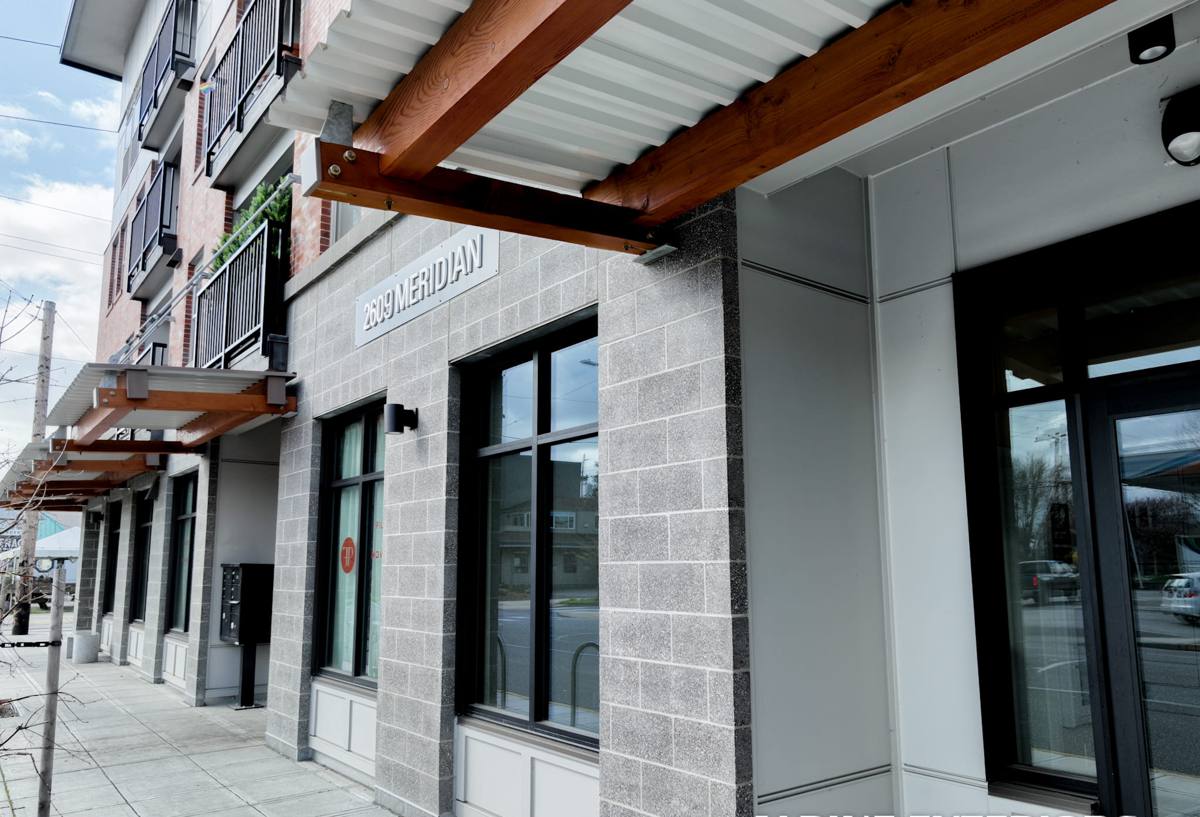
What Bellingham's Weather Does to Ordinary Windows
Three things define the load a window has to carry here, and all three show up on York homes regularly:
- Salt air. Proximity to the bay means airborne salt settles on exterior surfaces and accelerates corrosion of hardware, fasteners, and unprotected metal components over time.
- Driving rain. Wind-driven rain doesn't just hit a window head-on — it gets pushed sideways and upward under sills and trim, which is exactly where cheap or poorly installed flashing fails.
- Moss season. Long stretches of cool, damp weather let moss and algae establish on sills, trim, and anywhere water sits instead of draining. Left alone, that growth holds moisture against wood and paint far longer than the rain itself does.
None of these are exotic problems. They're the everyday reality of owning a home in this part of Whatcom County, and they're the reason a window built for a dry climate — or installed without attention to water management — tends to underperform here within a few years instead of a few decades.
What "Custom" Means for York's Housing Stock
Older Homes and Non-Standard Openings
Many homes in York, like a lot of Bellingham's older neighborhoods, were built with wood-frame windows in openings that don't match today's standard manufacturer sizes. Decades of settling, past remodels, and older framing methods mean two windows that look identical from the street can have openings that differ by half an inch or more. Ordering a stock size and forcing it to fit — with extra trim, shims, or gaps packed with insulation — is exactly how leaks start. Custom sizing means the window is built or ordered to match the actual opening, not the other way around.
Matching Style Without Sacrificing Performance
"Custom" also covers appearance. A double-hung window with true divided lites reads very differently than a modern slider, and mixing styles on the same elevation stands out. We work with owners to match the sightlines, grille pattern, and proportions of the existing windows or the home's overall style, while still upgrading the glass package, frame material, and weatherstripping to something that actually performs in this climate. You shouldn't have to choose between a window that looks right and one that keeps water out.
What a Correct Window Installation Actually Involves
Flashing and Water Management
This is the part of the job that never shows once the trim goes back on, and it's also the part that determines whether a window lasts five years or thirty. A correct install uses a continuous water-resistive barrier tied into the building's existing weather barrier, properly lapped flashing at the head, jambs, and sill, and a sill pan that gives any water that does get past the exterior seal somewhere to drain instead of pooling against the framing. Skipping or shortcutting this step is invisible on install day and expensive two or three winters later.
Insulation and Air Sealing
The gap between the window frame and the rough opening needs to be filled with a material that stays flexible and doesn't compress or crumble over time — not stuffed with fiberglass batting, which does neither. Proper air sealing here also cuts down on the cold drafts and condensation that show up on interior sills during a wet Bellingham winter.
Level, Plumb, and Square
A window that's out of square binds, doesn't lock tight, and wears its weatherstripping unevenly. Shimming and fastening to hold true level and plumb — not just "close enough" — is what keeps the sash operating smoothly and sealing correctly for the life of the window.
Choosing the Right Window Material for This Climate
There's no single "best" window material — the right choice depends on the home's style, budget, and how much upkeep an owner wants to take on. Here's how the common options actually compare for a coastal Whatcom County home:
| Material | Moisture & Salt Air Resistance | Maintenance | Typical Fit |
|---|---|---|---|
| Vinyl | Good — won't rot or corrode | Low; occasional cleaning | Budget-conscious replacements, most home styles |
| Fiberglass | Excellent — very stable, resists warping | Low | Higher-exposure walls, long-term durability priority |
| Wood-clad | Good on the exterior clad face; interior wood needs care | Moderate — finish maintenance over time | Historic or period-style homes wanting real wood interior |
| Aluminum | Fair — prone to condensation and corrosion near salt air unless thermally broken | Moderate | Modern styles, larger openings; we recommend thermally broken frames here |
For most York homes near the bay, we steer owners toward fiberglass or a well-built vinyl unit for straightforward replacements, and wood-clad when matching an existing period look matters more than minimizing upkeep. We'll walk through the honest trade-offs for your specific home rather than push one product line.
Our Process, Start to Finish
- On-site assessment. We look at the existing openings, framing condition, and any signs of past water intrusion before recommending anything.
- Accurate measurement. Every opening is measured individually — we don't assume matching windows are actually the same size.
- Material and style selection. We go over options against your budget and the look you want, including how each holds up to salt air and driving rain specifically.
- Removal and prep. Old windows come out carefully to check the condition of the framing and sheathing underneath before anything new goes in.
- Installation with proper flashing. Sill pans, flashing, and air sealing are done to spec, not shortcut, on every window.
- Final check and cleanup. Every sash is tested for smooth operation and tight seal before we consider the job done.
Why a Local York Crew Matters
A window installer who already works in Bellingham understands how this specific climate treats a home over time — not just how to install a window on install day. That means knowing which details tend to fail first under driving rain, how to detail flashing so moss and algae don't get a foothold at the sill, and what's realistic for a home's exposure to salt air off the bay. It also means we're close by if a question comes up after the install, whether that's a warranty item or just a homeowner wanting an honest opinion before moss season sets in.
Familiarity with the neighborhood also speeds up the practical side of the job — knowing typical opening conditions in older York homes, having a feel for what the City of Bellingham's permitting process looks like for replacement windows, and being able to schedule efficiently instead of treating every job as a first-time trip into unfamiliar territory.
Keeping Your New Windows Performing for Decades
A correct installation gets you most of the way there, but a little seasonal attention keeps windows performing for the long haul in this climate:
- Rinse sills and tracks periodically to keep salt residue and grit from grinding into hardware and weatherstripping.
- Check for moss or algae buildup on sills and trim during the wet months and clear it before it holds moisture against the surface.
- Inspect exterior caulking and flashing lines once a year, especially after a hard winter of driving rain.
- Operate every sash a few times per season so hardware doesn't seize and weatherstripping stays compressed evenly.
- Watch for condensation on interior glass or sills — a sudden increase can be an early sign of a seal or insulation issue worth checking.
If your York home has windows that fog between the panes, stick when you try to open them, or let in drafts during a windstorm, it's worth having them looked at before another wet season goes by. We offer free, no-pressure estimates — use the form below to get a straightforward look at your options and an honest read on what your home actually needs.