 Bellingham Roofing
 Windows Built for the Way Sudden Valley Actually Weathers
Sudden Valley sits in one of the more distinct microclimates in Whatcom County. The tree canopy that makes the neighborhood so appealing also means homes here stay shaded and damp longer than houses out in the open. Add Lake Whatcom's humidity, the region's long stretch of driving rain from fall through spring, and a moss season that can run most of the year, and you've got conditions that are hard on window frames, sills, and seals in ways a lot of standard replacement crews aren't tuned into. Windows that would hold up fine in a drier, sunnier part of the state can start failing early here if they weren't installed with this specific environment in mind.
We've worked enough homes in and around Sudden Valley to know what actually goes wrong first, and to plan a window replacement that accounts for it from day one rather than patching problems later.
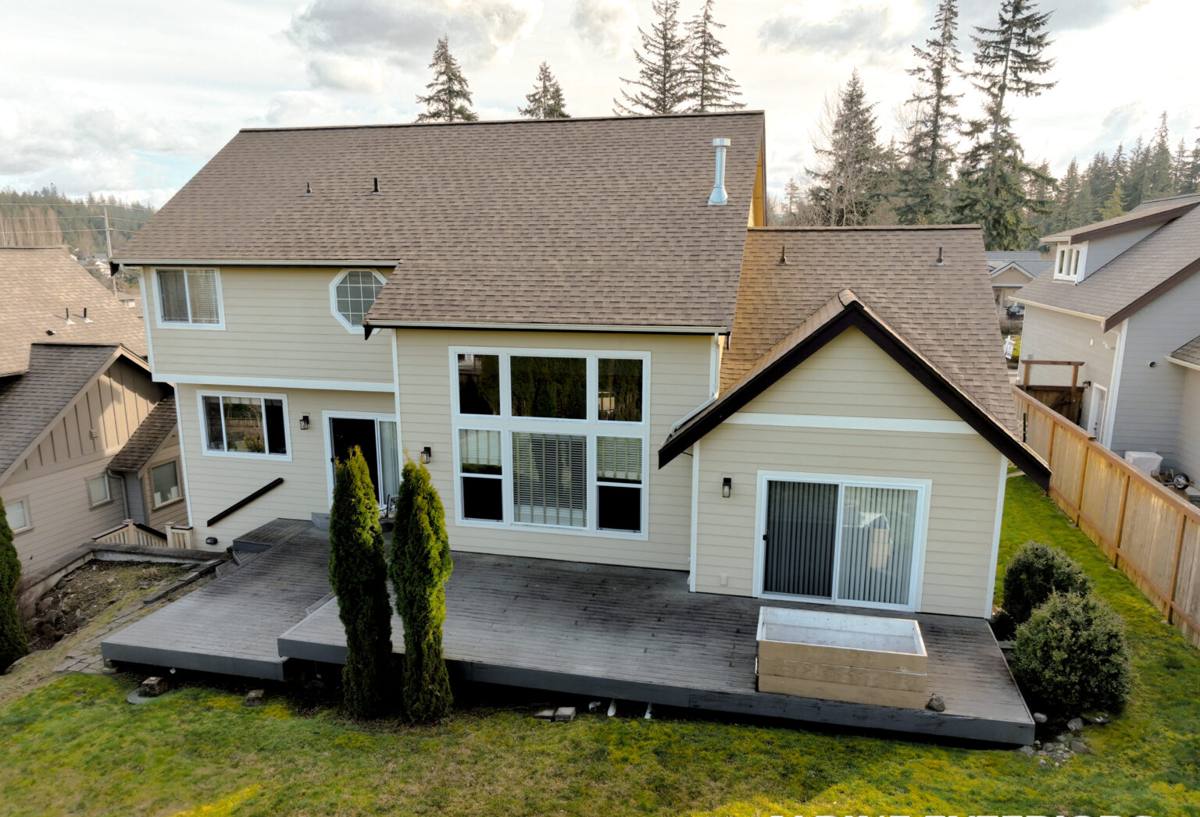
What This Climate Does to Windows Over Time
Constant moisture load
Whatcom County's marine-influenced air keeps humidity levels elevated for most of the year, and Sudden Valley's tree cover and lake-adjacent setting trap that moisture close to the house. Wood-framed windows and painted trim take the brunt of it — swelling, sticking, and eventually rotting at the corners and sills where water collects and doesn't fully dry out between rain events.
Moss and organic growth
Shaded, moisture-rich conditions are exactly what moss and algae need to establish themselves. Once moss takes hold on a sill, in a track, or along exterior trim, it holds water against the surface constantly, which accelerates rot and paint failure far faster than plain rain exposure would on its own.
Driving rain and wind-driven water
Storms coming through this part of Washington often bring rain at an angle, not straight down. That matters for windows because it tests the flashing and sealant details around the frame, not just the glass unit itself. A window can have a perfectly good seal on the glass and still leak if the flashing behind the trim wasn't done correctly.
Temperature swings and condensation
Cool, damp mornings followed by warmer afternoons are routine here. Older single-pane or early double-pane windows respond to that swing with heavy interior condensation, which over time damages sills, drywall, and paint — and is often the first visible sign that a window's seal or insulation value has failed.
Signs a Sudden Valley Home Needs Window Replacement
- Fogging or a visible film between the panes of a double-pane window — the seal has failed and the gas fill is gone
- Wood trim or sills that feel soft, spongy, or show paint bubbling near the window edges
- Visible moss or dark green staining on sills, tracks, or exterior casing
- Drafts you can feel near the frame even when the window is fully latched
- Windows that are difficult to open, close, or lock, especially after damp weather
- Noticeably higher heating costs compared to similar-sized homes nearby
- Condensation forming on the inside of the glass regularly, not just on the coldest mornings
What a Correct Window Replacement Actually Involves
Swapping in a new window is the easy part. The work that determines whether it lasts happens around the window, not in it.
Removal and inspection
We pull the old window out carefully and inspect the framing and sill underneath before anything new goes in. In a climate like this, it's common to find some degree of moisture damage hidden behind trim that looked fine from the outside. If we find rot, we address it — installing a new window over a compromised opening just locks the problem in for another decade.
Flashing and water management
Proper flashing directs water away from the framing and down past the sill instead of letting it wick into the wall assembly. Given how much wind-driven rain this area sees, this step is not optional — it's the difference between a window that stays dry for twenty years and one that starts leaking within a few winters.
Insulation and air sealing
The gap between the window frame and the rough opening needs to be filled with the right insulating material — not just caulked around the visible trim. Done right, this cuts drafts and moisture infiltration at the same time.
Interior and exterior finish work
Trim, caulking, and paint or stain need to be finished cleanly and sealed against moisture intrusion, since this is the layer that takes the most direct weather exposure going forward.
Choosing the Right Window Material for This Environment
Material choice matters more here than it would in a drier climate. Here's how the common options compare for a home in Sudden Valley's conditions:
| Material | How It Handles This Climate | Maintenance |
|---|---|---|
| Vinyl | Doesn't rot or absorb moisture; performs well in consistently damp, shaded settings | Low — occasional cleaning |
| Fiberglass | Very stable in temperature swings and moisture; holds paint well if a custom color is wanted | Low |
| Wood (unclad) | Classic look, but most vulnerable to the rot and moss issues common in shaded, humid lots | High — regular painting/sealing required |
| Wood-clad (exterior aluminum or vinyl shell) | Wood interior warmth with a weather-resistant exterior shell; solid middle-ground option | Moderate |
| Aluminum | Durable but a poor insulator and prone to interior condensation in cool, damp mornings | Low |
We're upfront with clients about the trade-offs. Solid wood windows can look beautiful, but on a shaded Sudden Valley lot they demand a maintenance commitment most homeowners underestimate. That's a matter of honest expectations, not knocking the product — some owners are happy to keep up with it, and we'll install what you want. We just make sure you know what you're signing up for before the work starts.
Glass and Performance Details Worth Asking About
- Low-E coatings — help control heat loss through the glass, relevant for keeping heating costs down through Whatcom County winters
- Argon or krypton gas fill — improves insulating performance between panes; check the manufacturer's warranty terms on seal failure
- U-factor and condensation resistance rating — more useful for this climate than solar heat gain numbers, since our issue is more often cold, damp air than direct sun exposure
- Frame drainage design — some window lines include better weep and drainage paths than others, which matters when a frame sees this much rain contact
How Our Process Works
- On-site assessment — we look at every window being considered, check the surrounding trim and framing for existing moisture damage, and note site-specific factors like shade and tree cover
- Honest recommendation — we tell you which windows genuinely need replacing now, which can wait, and which materials make sense for your specific exposure
- Written estimate — clear pricing with no vague allowances, so you know what you're paying for
- Removal and repair — old windows come out, any hidden rot or damage gets repaired properly before the new unit goes in
- Installation — correct flashing, insulation, and air sealing at every opening
- Finish and walkthrough — trim and paint finished, then we walk the job with you before calling it done
Why Local Experience in Sudden Valley Specifically Matters
Sudden Valley is its own community within greater Bellingham, and it has its own practical realities: private roads, an HOA with architectural standards many homeowners need to work within, and lot layouts that are often more wooded and sloped than typical in-town properties. A crew that's worked here before knows to check on any architectural guidelines before ordering materials, plans access and staging around the terrain instead of discovering problems on install day, and recognizes the moss and moisture patterns specific to lakeside, tree-shaded lots.
That local familiarity isn't a luxury — it's what keeps a project on schedule and prevents avoidable surprises. A crew installing windows here for the first time is more likely to miss a drainage detail that a lake-adjacent, heavily shaded lot actually needs.
What Affects the Cost of a Window Replacement Project
| Factor | Why It Matters |
|---|---|
| Number of windows | Per-window cost typically drops somewhat as project size increases |
| Frame material | Vinyl is generally the most affordable; fiberglass and wood-clad cost more upfront but often less over time in maintenance |
| Extent of hidden damage | Rot repair at the sill or framing adds labor and material beyond the window unit itself |
| Window size and style | Larger units, custom shapes, or specialty configurations (bay, picture, egress) cost more than standard double-hung sizes |
| Access and site conditions | Sloped lots, upper-story windows, or limited equipment access can add time to the job |
| Glass package | Upgraded Low-E coatings or gas fills add a modest cost increase for a real efficiency benefit in this climate |
Most straightforward single-window replacements land in a broad low-to-mid four-figure range per opening depending on size and material, with whole-house projects priced by total scope. We'll never quote a number without seeing the actual openings first — every home's mix of window count, condition, and access is different.
A Quick Checklist Before You Call Anyone
- Note which windows are foggy, drafty, or hard to operate — this helps prioritize the work
- Check for soft or discolored trim/sill areas, especially on shaded sides of the house
- Look for moss or dark staining on window sills and casing
- Check your HOA or community architectural guidelines if you're planning an exterior color or style change
- Ask any contractor directly how they handle flashing and hidden moisture damage — the answer tells you a lot about their standards
If your windows are fogging, drafty, or showing signs of moss and moisture damage, it's worth having a straightforward, no-pressure look before another wet Whatcom County season sets in. Use the form below to request a free estimate, and we'll walk your Sudden Valley home in person and tell you honestly what needs attention now versus what can wait.