 Bellingham Roofing
 Window Installation in Blaine: Built for Whatcom County Conditions
Blaine sits close enough to the water and open enough to the wind that its homes take a different kind of weathering than houses further inland. Salt-laden air off the strait, wind-driven rain that gets pushed sideways into wall assemblies, and a moss season that runs longer here than almost anywhere else in the state all work against ordinary windows year after year. A window that's a perfectly good product in a dry climate can still fail early in Blaine if it isn't installed with this specific environment in mind.
We're a Bellingham-based crew that works window installation jobs throughout Whatcom County, including Blaine and the surrounding areas near the water. That means the flashing details, sealant choices, and frame materials we recommend aren't generic — they're the same ones we've been using on homes exposed to the same salt air and driving rain for years.
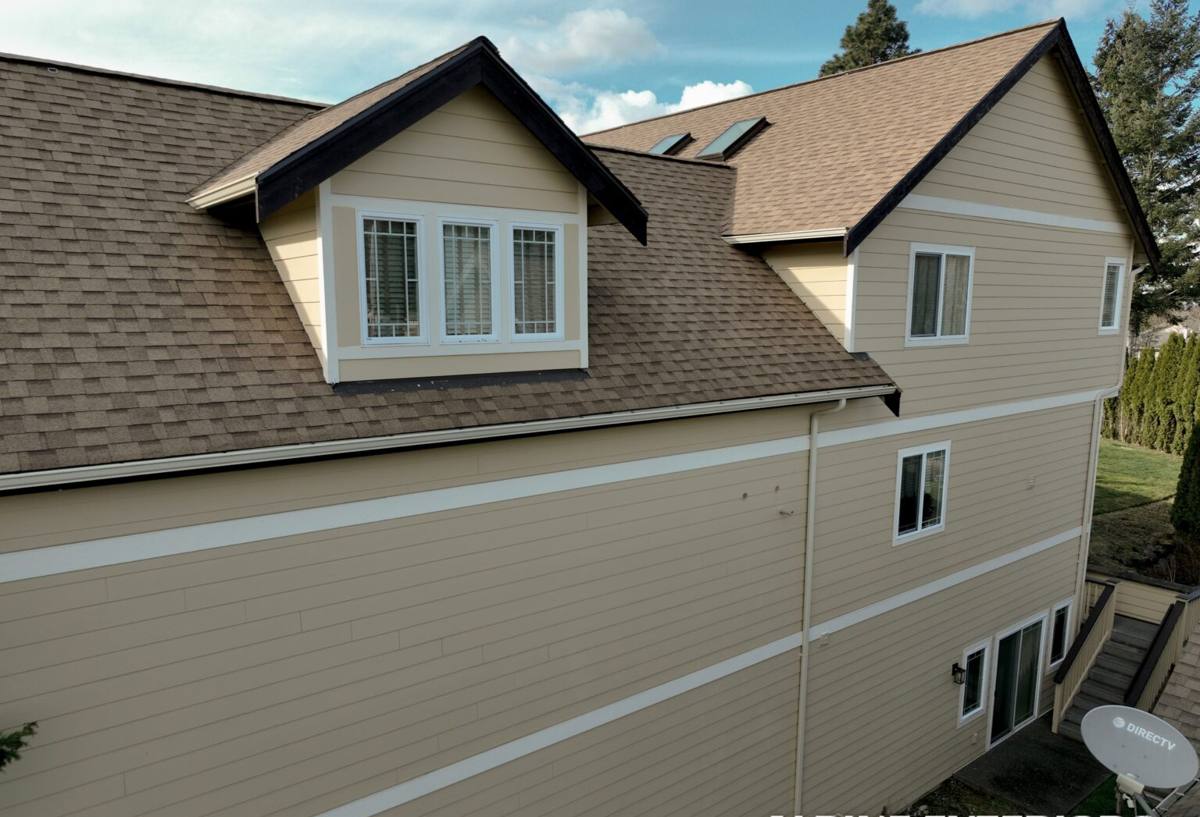
What Blaine's Climate Actually Does to a Window Over Time
Understanding the failure pattern helps explain why installation quality matters more here than in a milder climate.
Salt Air and Metal Components
Windows near open water are exposed to airborne salt that settles on hardware, screens, and exposed metal. Over years, this accelerates corrosion on cheaper hinges, latches, and screen frames, and it can degrade certain finishes faster than a manufacturer's inland warranty testing assumes. Corrosion-resistant hardware and finishes matter more for a Blaine-area home than for one twenty miles inland.
Wind-Driven Rain
Ordinary rain falls straight down and mostly sheds off a wall. Wind-driven rain gets forced sideways and upward into gaps, seams, and the interface between the window and the wall — which is exactly where a poorly installed window fails first. Water doesn't need a big opening to get in; it just needs wind pressure and a path.
A Long Moss Season
Whatcom County's damp, mild winters keep moisture in and around wood trim, sills, and siding for months at a time. Where moss and algae take hold, they hold moisture against the surface even longer, which is hard on wood window components and on any caulk or sealant joint that isn't holding up properly. A window system that manages water well resists this cycle; one that doesn't will show rot or staining at the sill and trim well before the glass itself is a problem.
Signs a Blaine Home's Windows Need Attention
Most window problems show up gradually, and homeowners often notice the symptoms before they connect them to the window itself. Watch for:
- Soft or discolored wood at the sill, jamb, or exterior trim around a window
- Persistent fogging or a visible haze between panes of a double-pane window (a sign the seal has failed)
- Drafts you can feel near the frame even with the window fully latched
- Difficulty opening, closing, or locking a window that used to operate smoothly
- Visible gaps, cracked caulk, or peeling paint concentrated around the window opening rather than the wall generally
- Moss or dark staining building up on the sill or just below it
- Condensation forming on the interior glass or frame more than on comparable windows elsewhere in the house
Any one of these on its own isn't necessarily an emergency, but a window showing two or three of them at once has usually reached the point where repair is a short-term patch and replacement is the more honest recommendation.
What a Correct Window Installation Actually Involves
The window unit itself is only part of the job. In a climate like this one, the installation details around the window are what determine whether it lasts.
Flashing and Water Management
Every window opening needs a flashing sequence that directs water down and out, never inward, and that integrates properly with the house wrap or building paper behind the siding. This includes sill pan flashing under the window, proper head flashing above it, and side flashing that laps correctly with the water-resistive barrier. Done out of sequence, flashing can actually trap water inside the wall instead of shedding it.
Sealant Selection and Placement
Not every exterior sealant is rated for the temperature swings and UV exposure this region sees, and not every joint should be sealed the same way. Some joints need a full seal; others — particularly at the bottom of the window — need to stay open so any water that does get in can drain back out rather than being trapped behind a solid bead of caulk.
Air Sealing and Insulation
The gap between a window frame and the rough opening needs to be insulated and air-sealed without over-packing it, which can bow the frame and affect how the window operates. Done correctly, this step also does most of the work of eliminating drafts.
Frame and Hardware Fit
A window that's shimmed and squared correctly opens, closes, and locks smoothly for the life of the unit. One that isn't will bind, sag, or leak air at the sash even if every other part of the installation was done well.
Choosing the Right Window Frame Material for the Area
Frame material has a real effect on how a window holds up to salt air, moisture, and temperature swings near the water. There's no single right answer for every home, but here's how the common options compare for this climate:
| Frame Material | Moisture & Salt Air Behavior | Maintenance | Typical Trade-offs |
|---|---|---|---|
| Vinyl | Won't rot or corrode; performs well near salt air | Low — occasional cleaning | Limited color/finish options; can expand and contract with big temperature swings |
| Fiberglass | Very stable dimensionally; strong resistance to moisture and salt exposure | Low | Higher upfront cost than vinyl |
| Wood | Attractive, traditional look, but vulnerable to moisture and rot without diligent upkeep | High — regular painting/sealing required | Best suited to protected elevations, not full weather exposure |
| Wood-Clad (wood interior, metal or vinyl exterior) | Exterior cladding protects against moisture and salt; interior keeps traditional look | Moderate | Cladding seams need correct detailing to avoid trapping moisture |
| Aluminum | Strong but conducts heat/cold and can corrode without a marine-grade finish | Moderate | Generally a poor fit for this specific climate unless upgraded finish is used |
For most Blaine-area homes with meaningful exposure to wind and moisture, we steer people toward vinyl or fiberglass for the exterior-facing performance, and reserve solid wood for protected areas where it won't take the brunt of the weather. This is a professional judgment based on how these materials behave over years in this specific climate, not a claim that any one product is defective — it's about matching the material to the exposure.
A Note on Glass Packages
Beyond frame material, the glass package matters too. Double-pane, low-E glass is the practical standard for this region — it manages heat loss during the cold, wet months and helps control glare and UV without needing anything exotic. Triple-pane glass can be worth it for homes with significant highway or road noise, but for most Blaine homes, a quality double-pane low-E unit properly installed does the job.
Our Installation Process
The steps below are consistent regardless of which window product a homeowner chooses — the sequence and attention to detail are what actually protect the home.
- On-site assessment. We inspect the existing window openings, sheathing, and any signs of prior water intrusion before recommending anything.
- Measurement and product selection. Openings are measured precisely, and we walk through frame material, glass package, and style options suited to the specific opening and exposure.
- Removal of the old window. We remove the existing unit carefully and inspect the rough opening and surrounding framing for hidden rot or damage before proceeding.
- Repair of any underlying damage. If we find soft framing, deteriorated sheathing, or old failed flashing, we address it before the new window goes in — installing a new window over a compromised opening just hides the problem.
- Flashing and water-resistive barrier integration. Sill pan, jamb, and head flashing are installed in the correct shingled sequence and tied into the existing house wrap.
- Setting, shimming, and squaring the window. The unit is leveled, plumbed, and squared so it operates correctly and seals evenly on all sides.
- Insulating and air-sealing the gap. The space between frame and rough opening is filled appropriately — not over-packed — to control drafts without distorting the frame.
- Exterior trim, caulking, and finish work. Trim is reinstalled or replaced, and sealant is applied only where it should be, leaving drainage paths open where needed.
- Final walkthrough. We test operation, check the seal, and walk the homeowner through anything they should know about care going forward.
What Affects the Cost of a Window Installation
Every home and every opening is different, so a real number only comes from an on-site look. In general terms, the following factors move the price up or down:
| Factor | Effect on Cost |
|---|---|
| Number of windows being replaced at once | Doing several together typically lowers the per-window cost versus one-off replacements |
| Frame material chosen | Vinyl is generally the most budget-friendly; fiberglass and wood-clad cost more upfront |
| Condition of the existing rough opening | Hidden rot or framing damage found during removal adds repair time before the new window can go in |
| Window size and style | Larger units, custom shapes, or multi-panel configurations take more time and materials than a standard single unit |
| Access and site conditions | Second-story windows or difficult access can add labor time |
| Glass package upgrades | Triple-pane or specialty coatings add cost over a standard double-pane low-E unit |
Why a Crew That Already Works in Blaine Makes a Difference
Window installation isn't a one-size-fits-all trade, and the difference between a crew that works this specific area regularly and one that doesn't shows up over time, not on installation day. A crew familiar with Blaine and the surrounding Whatcom County coastline already knows which flashing details hold up to wind-driven rain here, which hardware finishes actually resist the salt air instead of just claiming to, and how much drainage capacity a sill detail needs during the wettest stretches of the year. That's knowledge built from doing the work in this exact environment, not from a general installation manual.
It also means realistic expectations from the start — an honest read on what a given home's exposure actually requires, without over-selling a premium product where it isn't needed or under-building where it is.
Caring for New Windows Through Whatcom County's Wet Months
A correctly installed window is largely maintenance-free, but a little seasonal attention extends its life:
- Rinse accumulated salt residue and grime off exterior glass and frames periodically, especially after storms
- Keep gutters and downspouts clear so roof runoff isn't dumping extra water directly onto window heads and sills
- Check exterior caulk lines once a year for cracking or separation and have any gaps addressed before the wet season sets in
- Keep moss and organic buildup off sills and trim rather than letting it sit against the surface for months
- Operate locks and hardware periodically even on windows you don't open often, so mechanisms don't seize
Get an Honest Look at Your Windows
If windows in your Blaine-area home are drafty, fogging, sticking, or just original to a house that's due for an upgrade, we're happy to take a look and give you a straight assessment — no pressure, no upsell. Use the form below to request a free estimate and we'll go over what your specific home actually needs.