 Bellingham Roofing
 Window Installation Built for Birchwood's Weather
Birchwood homes sit close enough to Bellingham Bay and the Puget Sound shoreline to catch salt-laden air on a regular basis, and far enough into the Pacific Northwest's wet belt to see months of low-angle rain and standing damp every year. That combination is hard on windows. Salt air accelerates corrosion on hardware and fasteners, driving rain finds its way through any gap in the flashing or sealant, and a long moss season keeps siding and trim damp for weeks at a stretch, which means any window that isn't properly sealed stays wet longer than it should. Window installation here isn't just about swapping old glass for new — it's about building a water-management system around each opening that can handle what Whatcom County throws at it for the next twenty-plus years.
We work on homes throughout Bellingham, including the Birchwood neighborhood, and we approach every installation the same way: assume the weather will test the seams, and build accordingly.
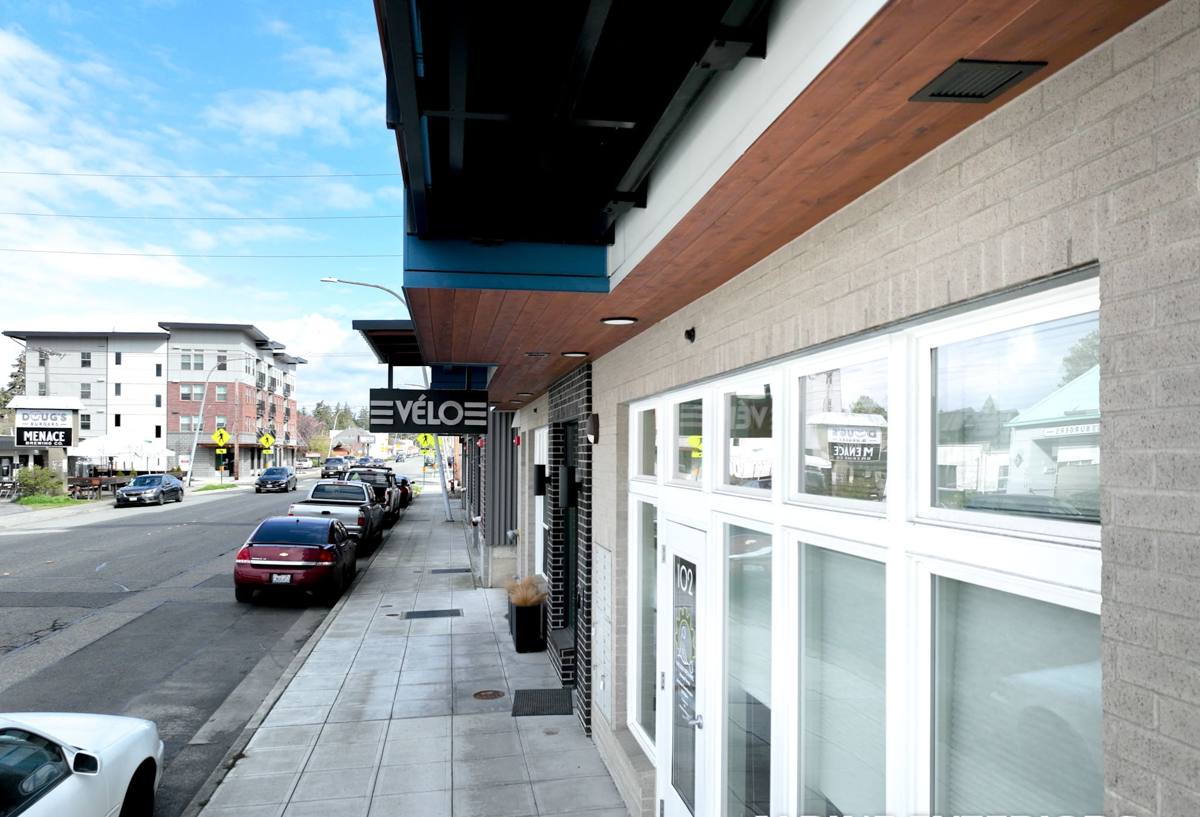
Signs Birchwood Windows Are Falling Behind
Most window failures we see in this neighborhood don't show up as a shattered pane — they show up slowly, as moisture and air infiltration. Knowing what to look for helps you catch a problem before it turns into rot in the framing.
What to check
- Fogging or a milky haze between double-pane glass — the seal has failed and the gas fill is gone
- Soft or discolored wood on the interior sill or exterior trim
- Visible daylight or a noticeable draft around the frame when the window is closed
- Paint that's bubbling or peeling near the window edges, often a sign of trapped moisture
- Hardware — locks, cranks, hinges — that's stiff, corroded, or won't latch tight
- A window that's noticeably harder to open than it used to be, which can mean the frame has swollen or shifted
Any one of these on its own might just mean a repair. Several together, especially on windows original to an older Birchwood home, usually means it's time to talk about replacement.
What a Correct Installation Actually Involves
A window installation is only as good as what happens before the new unit ever goes into the opening. In a climate with this much wind-driven rain, the flashing and water-management details matter more than the window itself.
Flashing and moisture barriers
Every opening gets properly integrated flashing — sill pan, jamb flashing, and head flashing — installed to shed water outward and downward, tied into the home's existing weather-resistive barrier rather than just caulked over it. This is the single most common corner cut on rushed installs, and it's the reason so many "new" windows still leak within a few years.
Sealing and insulation
Gaps between the window frame and rough opening get filled with low-expansion foam or backer rod and sealant rated for exterior use — never just caulk smeared around the trim. Done right, this stops both air infiltration and the kind of condensation that leads to hidden mold inside the wall cavity.
Level, plumb, and square
An out-of-square installation stresses the sash, wears out hardware early, and can crack seals well before their time. We shim and check at multiple points, not just the corners, before anything gets fastened permanently.
Exterior trim and caulking
The last line of defense is the visible bead of sealant and the trim detail around the window. It has to be continuous, with no gaps at corners, and matched to a caulk formulated to stay flexible through our temperature swings and long wet stretches — not one that goes brittle and cracks after a season or two.
Choosing the Right Window for This Climate
There's no single "best" window — the right choice depends on the home's exposure, your budget, and how much maintenance you want to take on. Here's how the common frame materials hold up in a coastal Whatcom County setting.
| Frame Material | Salt Air / Moisture Resistance | Maintenance | Typical Fit |
|---|---|---|---|
| Vinyl | Good — won't corrode or rot | Low; occasional cleaning | Best value for most Birchwood homes |
| Fiberglass | Excellent — very stable in temperature and moisture swings | Low | Higher upfront cost, longest service life |
| Wood-clad | Fair — exterior cladding protects the wood, but any breach exposes it to rot | Higher; watch cladding seams | Homes prioritizing an interior wood look |
| Aluminum | Poor without upgraded finishes — prone to corrosion near salt air and conducts cold | Moderate | Generally not our recommendation this close to the water |
For most Birchwood properties, we steer homeowners toward vinyl or fiberglass. Both resist the corrosion that salt air causes in metal components, and neither depends on a perfect exterior finish to keep moisture out the way wood-clad and aluminum units do. We're happy to walk through fiberglass versus vinyl for your specific home and budget — it's a real trade-off between upfront cost and long-term stability, not an obvious answer either way.
Glass packages
Double-pane, low-E glass is the baseline we recommend for this region — it cuts heat loss and blocks UV without adding the cost of a triple-pane unit. Triple-pane can make sense on north- or west-facing walls that take the brunt of winter storms, but for most Birchwood homes it's a marginal gain for a real jump in price.
Our Installation Process
- On-site assessment — we look at each opening individually, not just the window count, since exposure and framing condition vary window to window even on the same house
- Measurement and product selection — exact sizing, plus a frank conversation about material and glass options for your budget
- Removal and opening inspection — old units come out carefully so we can check the rough opening and sheathing for hidden rot or moisture damage before anything new goes in
- Flashing and barrier work — sill pan, jamb, and head flashing installed and tied into the existing weather barrier
- Setting, shimming, and fastening — window is leveled, plumbed, squared, and secured per manufacturer specs
- Insulating and sealing — low-expansion foam or backer rod at the frame gap, exterior-grade sealant at the trim line
- Cleanup and walkthrough — hardware operation checked, debris removed, and a plain-English rundown of what was done
If hidden rot or sheathing damage turns up once an old window is out — which happens more often than homeowners expect on older Bellingham houses — we stop and talk to you before covering anything up. That's not an upsell tactic; it's the only way to make sure the new window isn't sealed against a compromised opening.
Why a Crew That Already Works Birchwood Matters
A crew that installs windows across Bellingham neighborhoods regularly develops a feel for how local homes were built and where they tend to have trouble — older single-pane originals with minimal flashing, additions with mismatched siding transitions, openings facing prevailing weather off the bay. That familiarity shows up in small decisions: which flashing detail to use on a given wall type, where to expect hidden moisture, how to match trim on a home that's had prior repairs. It also means we're a known, local business you can reach again — for a warranty question, a caulking touch-up, or advice on a future project — rather than a crew that installed once and moved on.
What Affects the Cost
Every home is different, so we don't quote sight-unseen, but these are the main factors that move the price up or down on a Birchwood installation.
| Factor | Why It Matters |
|---|---|
| Number and size of openings | Straightforward — more and larger windows mean more material and labor |
| Frame material chosen | Vinyl, fiberglass, and wood-clad carry different unit costs |
| Condition of the existing opening | Hidden rot or damaged sheathing adds repair work before the new window can go in |
| Access and second-story work | Upper-floor or hard-to-reach windows take more time and equipment |
| Glass package | Standard low-E double-pane versus triple-pane or specialty coatings |
| Trim and exterior finish work | Matching existing trim profiles or siding takes more care than a plain replacement |
As a general range, straightforward single-window replacements tend to run in the low-to-mid thousands per opening depending on size and material, with whole-house projects priced per window once we've assessed the specifics. We'll give you a firm, itemized number after walking the home — not a phone estimate.
After Installation: Keeping Windows Performing
New windows still need a little attention in a climate like ours. A short annual routine goes a long way toward getting the full service life out of them.
- Wipe down frames and tracks each season to clear salt residue and grit before it works into the hardware
- Check exterior caulk lines once a year, especially after the first winter, for any cracking or gaps
- Clear debris and moss buildup from sills and nearby trim so water isn't held against the frame
- Test locks and cranks periodically and apply a light lubricant if they start to stick
- Watch for condensation between panes — it's the first sign of a seal failure, and worth a call while it's still just one window
Get a Free, No-Pressure Estimate
If your Birchwood home has windows that are drafty, fogged, hard to operate, or just original to a house that's due for an upgrade, we're glad to take a look and give you an honest read on what's needed — whether that's a full replacement or a smaller repair. Use the form below to request a free estimate, and we'll walk the property, answer your questions, and give you a straight number with no pressure to commit.