 Bellingham Roofing
 Window Installation Built for South Hill's Weather
South Hill sits up above the rest of Bellingham, which means it catches weather the lower neighborhoods don't always feel the same way. Homes here get more direct exposure to wind off the water, longer stretches of driving rain, and the salt-laden air that comes with living anywhere close to the Salish Sea. Add in Whatcom County's damp, low-sun winters and you've got a climate that is genuinely hard on window systems — not because the glass fails, but because the frames, seals, and flashing around them take a beating year after year.
A window installed correctly for this environment looks basically the same as one installed anywhere else. The difference is underneath: the flashing details, the sealant choices, the way water is directed back out instead of trapped behind the trim. That's the part homeowners can't see and the part that determines whether a window lasts 10 years or 30.
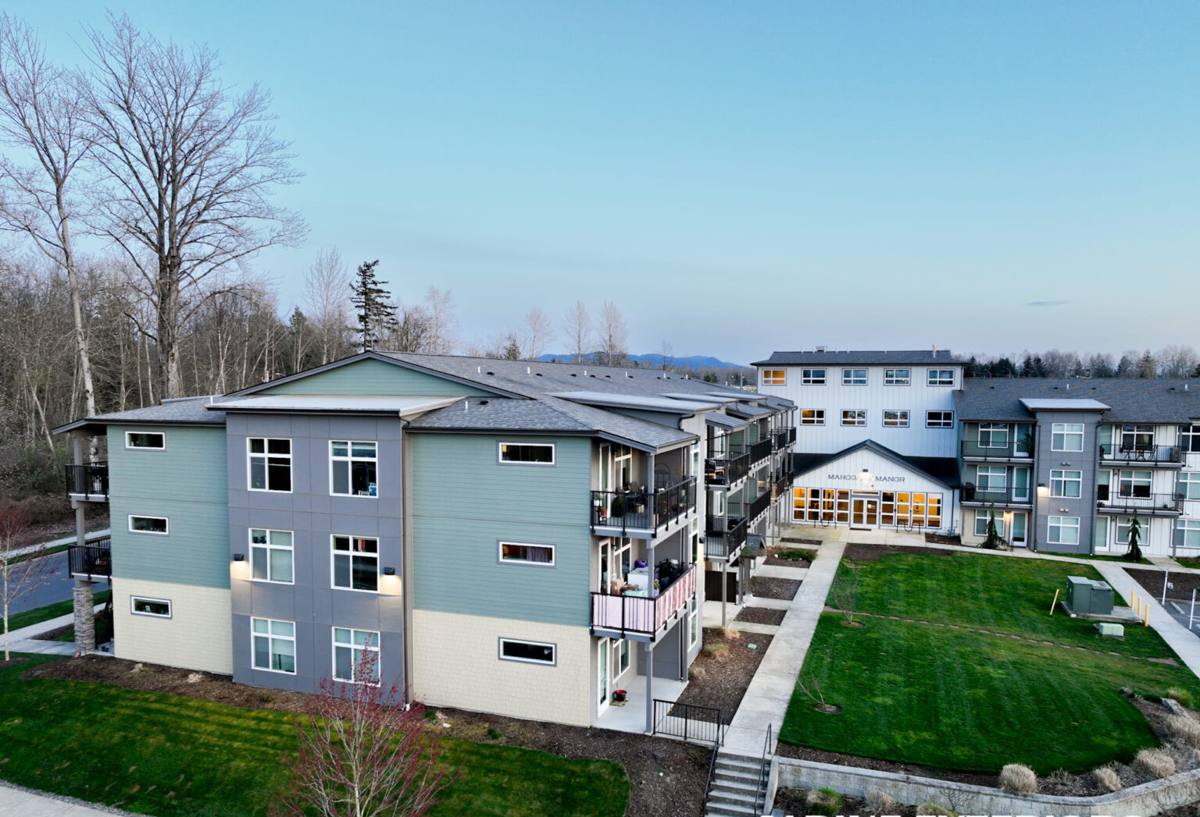
Signs a South Hill Home Needs New Windows
Most window problems don't show up as broken glass. They show up as small, easy-to-ignore signs that get worse every wet season. On South Hill's exposed lots, we tend to see these issues show up earlier than they would on a more sheltered street.
- Fogging or cloudiness between panes on double- or triple-glazed units — a sign the seal has failed
- Soft or discolored trim and sill wood, especially on the windward side of the house
- Drafts you can feel with your hand near the frame on a windy day
- Windows that stick, won't latch fully, or have visibly warped frames
- Black or green streaking below the sill — moss and algae getting a foothold on constantly damp wood or vinyl
- A noticeable jump in heating costs without any other explanation
Any one of these on its own isn't an emergency. But on a South Hill property, where wind-driven rain hits harder and moss has more months to establish itself, these signs tend to compound quickly if the window and the flashing behind it aren't addressed together.
What a Correct Installation Actually Involves
Swapping a window is easy. Swapping a window so that it stays watertight through a Pacific Northwest winter is a different job. A correct installation on an exposed South Hill lot includes several steps that are easy to skip and impossible to check once the trim is back on.
Removing the Old Window Properly
We pull the old unit and inspect the rough opening before anything new goes in. This is where we find out if there's hidden rot, prior water intrusion, or flashing that was never installed correctly the first time. Skipping this step and just dropping a new window into a bad opening is one of the most common shortcuts in this trade — and one of the most expensive to fix later.
Flashing and Weather Barrier Integration
The window itself sheds maybe 90% of the water that hits it. The other 10% has to go somewhere, and that's the job of properly lapped flashing tape and a weather-resistive barrier tied correctly into the house wrap. On a home taking direct wind and rain off higher ground, this detail matters more than the window brand.
Sealing and Insulating
Low-expansion foam or backer rod and sealant around the frame, not just caulk smeared over a gap. Over-filling with the wrong foam can actually bow a frame and cause it to operate poorly — another detail that separates a careful crew from a fast one.
Exterior Trim and Finish Work
The visible finish work is also functional. Properly sloped sills, back-caulked trim, and paint or sealant on any exposed cut ends all keep moisture from wicking into the wood over time.
Choosing the Right Window for This Climate
There's no single "best" window material — there's a best fit for a given house, budget, and exposure. On South Hill, where salt air and constant moisture are part of the equation, some trade-offs matter more than they would in a drier inland location.
| Frame Material | How It Handles This Climate | Maintenance | Typical Lifespan |
|---|---|---|---|
| Vinyl | Won't rust or rot; performs well against salt air and moisture | Low — occasional cleaning | 20-30 years |
| Fiberglass | Very stable in temperature swings and moisture; holds paint well | Low | 30+ years |
| Wood (unclad) | Best insulating and appearance, but most vulnerable to driving rain and moss growth without diligent upkeep | High — regular painting/sealing | Varies widely with maintenance |
| Aluminum-clad wood | Good exterior protection with wood interior warmth, but clad seams need correct detailing to stay watertight | Moderate | 20-30 years |
We don't push one brand over another. What we do insist on is correct installation for whichever material a homeowner chooses — and being upfront when a product's maintenance demands don't match how much upkeep a homeowner realistically wants to do. An unclad wood window on a wind-exposed South Hill elevation isn't a bad product, but it is a bigger long-term commitment than a lot of homeowners expect.
Our Installation Process
- On-site assessment — we look at existing windows, framing condition, and exposure on each elevation of the house before recommending anything.
- Honest product recommendation — based on your budget, the home's style, and how much maintenance you actually want to take on.
- Accurate measurement and ordering — correct sizing avoids gaps that get papered over with excess caulk later.
- Removal and opening inspection — we check for hidden rot or old flashing failures before the new unit goes in.
- Installation with proper flashing and sealing — done to shed water outward, not trap it behind the trim.
- Interior and exterior finish work — trim, caulking, and paint-ready surfaces.
- Final walkthrough — we operate every window with you before we consider the job done.
What Affects the Cost
Every window job is different, but the same handful of factors drive the price up or down on most South Hill homes.
| Cost Factor | Why It Matters |
|---|---|
| Window material and glass package | Vinyl runs less than fiberglass or wood; double vs. triple-pane and gas fills add cost |
| Number and size of openings | More windows or larger openings mean more material and labor |
| Condition of the existing opening | Hidden rot or old flashing failures add repair time before the new window can go in |
| Access and elevation | Second-story or hard-to-reach windows on a sloped South Hill lot take longer to stage safely |
| Trim and finish scope | Full trim replacement costs more than reusing sound existing trim |
As a broad range, most single-window replacements land somewhere in the low-to-mid thousands per opening depending on size and material, with whole-house projects priced by the window count. We'll always give you a firm, itemized number before any work starts — no surprise add-ons once the old window is out.
Why Local Experience on South Hill Matters
A window installer who's worked across Bellingham and Whatcom County knows which elevations on South Hill take the worst of the wind, which older homes tend to have flashing that was never done right the first time, and how much moss pressure to expect on a north-facing wall versus a south-facing one. That knowledge shows up in small decisions — an extra course of flashing tape, a different sealant choice, a recommendation to hold off on a particular material — that a crew unfamiliar with this specific hillside and its weather patterns might not think to make.
It also means we're not guessing at how the house will perform six months after we leave. We've seen how these installations hold up through a full Pacific Northwest wet season, and we build to that standard from the start rather than to a generic spec sheet.
Keeping New Windows Performing Long-Term
A correctly installed window still needs a little attention to get its full lifespan out of it, especially in a climate this damp.
- Rinse frames and sills periodically to clear salt residue and organic buildup before it stains or feeds moss
- Keep gutters and downspouts clear so overflow doesn't run down onto window heads
- Check and re-caulk exterior joints every few years, especially on the most wind-exposed side of the house
- Trim back vegetation that shades window areas and keeps them from drying out between rains
- Operate each window a few times a season so hardware doesn't seize up from disuse
Get a Free, No-Pressure Estimate
If your South Hill home has windows showing any of the signs above, or you're planning ahead before the next wet season sets in, we're happy to take a look and give you a straight answer about what's needed and what it will cost. There's no pressure and no obligation — just an honest assessment from a crew that knows this hillside and this climate. Fill out the form below to get started.