 Bellingham Roofing
 Roofing a Silver Beach Home Is Its Own Problem to Solve
Silver Beach is an established, tree-shaded corner of Bellingham, and that mix of mature canopy, close-set lots, and Whatcom County's marine-influenced weather puts a specific kind of stress on a roof. The air here carries more moisture and salt than homeowners moving from drier climates expect, rain tends to arrive sideways more often than straight down, and shaded north-facing slopes hang onto moss long after the rest of the roof has dried out. None of that is unusual for this part of the Pacific Northwest, but it does mean a roof replacement in Silver Beach isn't the same job as a roof replacement in a sunny, open subdivision twenty miles inland.
We're not writing this page to scare anyone into an early replacement. Plenty of Silver Beach roofs are perfectly sound and just need a good cleaning or a repair. This page is about the point where repair stops making sense and a full replacement is the honest recommendation — what that involves, what it costs to think through, and how we approach it on homes in this neighborhood specifically.
Signs a Repair Won't Cut It Anymore
Most roofs give warning signs well before they fail outright. On Silver Beach homes, we typically see the same handful of red flags:
- Granule loss heavy enough that you're finding grit in gutters and downspouts every season
- Shingles that are cupping, curling at the edges, or cracking when walked on
- Moss or lichen that keeps returning to the same shaded slope within a year of cleaning
- Soft, spongy decking anywhere you can reach it, especially near valleys or chimneys
- Daylight visible through the attic sheathing, or musty smells and stained insulation below the roofline
- A roof that's already had two or more layers of shingles installed over the years
Any one of these on its own might still be a repair. Two or three together, especially on a roof already past 18-20 years old, usually means the underlying materials are tired and patching one spot just shifts the failure point somewhere else next winter.
What a Correct Roof Replacement Actually Involves
A roof replacement is more than swapping old shingles for new ones. Done right, it's a full rebuild of the roof system, and every layer matters more here than it would in a drier climate.
Full Tear-Off, Not an Overlay
We remove existing roofing down to the deck rather than layering new shingles over old. Overlays trap moisture, hide deck damage, and shorten the life of whatever you put on top. In a climate that already pushes moisture into every seam, starting clean is not optional in our book.
Deck Inspection and Repair
Once the old roofing is off, we inspect the plywood or plank decking underneath for soft spots, delamination, or rot — common wherever moss or debris has been sitting against the surface for years. Any compromised sections get replaced before anything new goes down.
Underlayment Built for Wet Weather
We use synthetic underlayment as a water-resistant barrier across the full deck, with self-adhering ice-and-water shield reinforcing the vulnerable areas — eaves, valleys, and around any roof penetration — where wind-driven rain is most likely to find its way underneath the shingles.
Flashing Done Properly
Flashing around chimneys, skylights, sidewalls, and valleys is where most leaks actually start, not in the open field of shingles. We replace flashing rather than reuse it, and we tie it into the underlayment correctly rather than relying on sealant alone.
Ventilation That Matches the House
Balanced intake and exhaust ventilation keeps the attic dry and temperature-stable, which matters twice over in Silver Beach: it protects the deck from moisture damage, and a properly ventilated roof sheds moss more slowly because the deck and shingles stay dryer overall.
Material Options for This Climate
There's no single "best" roofing material — the right choice depends on the home, the budget, and how much moss and moisture resistance matters to you. Here's how the common options stack up for a Silver Beach roof specifically.
| Material | Moss & Moisture Behavior | Typical Lifespan | Notes for This Area |
|---|---|---|---|
| Architectural asphalt shingle | Good with algae-resistant granules; needs periodic cleaning on shaded slopes | 25-30 years | Most common choice locally; wide color range, reasonable cost |
| 3-tab asphalt shingle | Fair; thinner profile sheds moss less effectively | 15-20 years | Lower upfront cost but shorter service life in a wet climate |
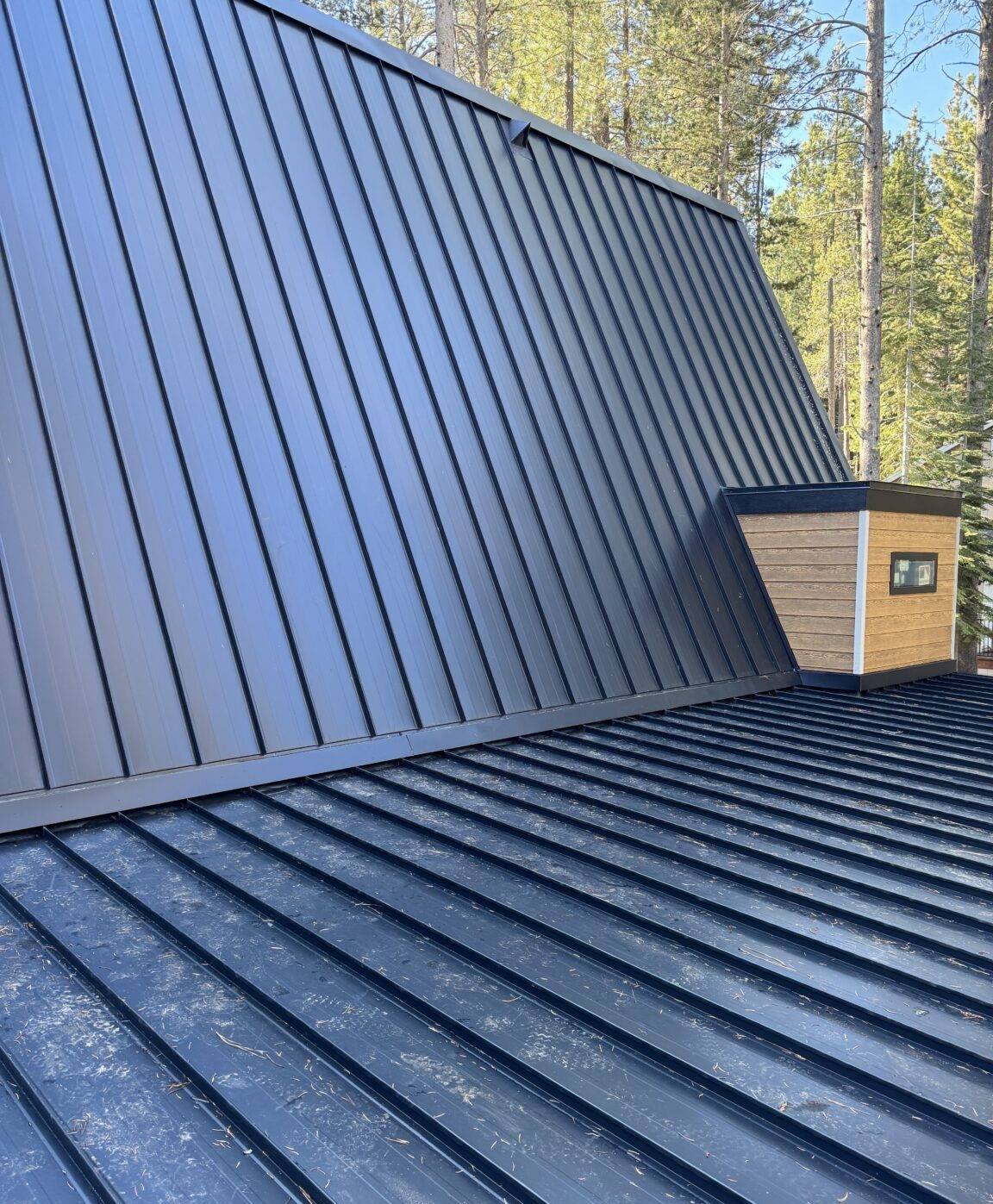
| Standing seam metal | Excellent; smooth surface discourages moss buildup | 40-50+ years | Higher upfront cost, strong long-term value on heavily shaded lots |
| Cedar shake | Requires diligent maintenance; moisture retention is a real concern | 20-30 years with upkeep | We'll discuss it honestly, but it's a high-maintenance choice in this climate |
| Synthetic/composite shingle | Good; engineered to resist moisture absorption | 30-50 years | Growing option locally; higher material cost than standard asphalt |
For most Silver Beach homes, we point people toward a quality architectural asphalt shingle with algae-resistant granules or, for homeowners planning to stay long-term, standing seam metal. Both hold up well against the moss cycle without demanding constant maintenance.
Our Process, Start to Finish
- On-site inspection and estimate — we walk the roof (weather permitting) and the attic, check the deck condition where accessible, and give you a written estimate with no pressure to sign that day.
- Material selection — we talk through options based on your roof's exposure, your budget, and how the house looks from the street.
- Scheduling around the weather — Whatcom County's wet season means timing matters; we plan tear-off days around dry weather windows so your deck isn't exposed longer than necessary.
- Tear-off and disposal — old materials come off, are hauled away, and the deck is inspected in daylight before anything new is installed.
- Deck repair and dry-in — damaged sheathing is replaced, and underlayment goes down the same day whenever possible to minimize exposure.
- Installation — new roofing, flashing, and ventilation components are installed to manufacturer specification, not shortcuts.
- Final walkthrough — we inspect the finished roof, clean up the property, and go over warranty paperwork with you.
Building Moss Resistance Into the Job, Not Bolting It On After
A lot of moss problems in this neighborhood come back within a couple of years even after a cleaning, because the roof itself was never set up to resist it. During a replacement, we address that at the source: proper attic ventilation to keep the deck and underside of the shingles drier, shingle products with algae-resistant granules, and attention to how water actually moves across the roof in valleys and around chimneys. Zinc or copper strips near the ridge are worth discussing for heavily shaded roofs, since they release trace metals with rainwater that discourage moss growth on the courses below — a small addition that pays off over the life of the roof.
What Drives the Cost
Every roof is priced individually after inspection, but the factors that move the number are consistent. Rather than quote a figure that won't mean much without seeing your roof, here's what actually drives cost up or down.
| Factor | Why It Matters |
|---|---|
| Roof size and pitch | More square footage and steeper slopes both increase labor and material needs |
| Number of existing layers | Removing two layers of old shingles takes longer and costs more in disposal than removing one |
| Deck condition | Rotted or delaminated sheathing found during tear-off adds material and labor not visible in an initial estimate |
| Material choice | Standard asphalt, premium architectural shingle, and metal carry very different price points per square |
| Roof complexity | Valleys, dormers, skylights, and multiple chimneys all add flashing work and time |
| Access and tree cover | Tight lots and overhanging trees, common in Silver Beach, can slow staging and require extra care during tear-off |
We'll always tell you upfront if something we find once tear-off starts — usually deck rot — is going to change the number, and we won't proceed on additional work without your sign-off first.
Why It Matters That We Already Work in This Neighborhood
A roofing crew that regularly works Silver Beach knows which slopes tend to hold moss longest, how tight some of the lots are for staging materials and equipment, and how the surrounding tree cover affects drainage and drying time after a job. That familiarity shows up in small but real ways — accurate estimates the first time, fewer surprises once tear-off starts, and a crew that isn't guessing at how this specific part of Bellingham behaves through the wet months. It also means we're not far away if a warranty question or a storm-related concern comes up after the job is done.
Questions Worth Asking Before You Sign With Anyone
Whether you go with us or another contractor, these are the questions that separate a solid roofing job from a problem waiting to happen:
- Is the estimate based on a full tear-off, or does it include an overlay over existing shingles?
- Does the quote specify underlayment type and where ice-and-water shield will be used?
- Is flashing being replaced or reused, and is that spelled out in writing?
- What ventilation changes, if any, are included?
- Are you licensed and bonded to work in Washington State, and can you provide proof?
- What does the workmanship warranty cover, separate from the manufacturer's material warranty?
- Who handles disposal of the old roofing, and is that cost included?
If a contractor can't answer these clearly and in writing, that's worth noting before you commit.
Get a Straight Answer About Your Roof
If your Silver Beach roof is showing its age, we're happy to take a look and tell you honestly whether you're looking at a repair or a replacement — no pressure, no inflated urgency. Fill out the form below for a free estimate, and we'll walk you through exactly what we find and what it would take to fix it right.