 Bellingham Roofing
 Building a Deck That Actually Holds Up in Silver Beach
Silver Beach is one of the more established residential pockets in Bellingham, and the homes here range from older cabins and cottages to newer builds, many with sloped lots, mature tree cover, and decks that see a lot of shade for a big chunk of the year. That combination — shade, moisture, and Whatcom County's long wet season — is exactly what wears out a poorly built deck. It's also exactly what a well-built one is designed to handle.
A deck in this part of Bellingham isn't just outdoor furniture. It's a structure that spends most of the year damp, gets hit with driving rain off the water, and picks up moss and algae faster than decks in drier parts of the state. We've built and repaired enough decks in this neighborhood to know which details matter here and which ones are just upsells. This page walks through what actually goes into a custom deck built for Silver Beach conditions, not a generic deck dropped into a wet climate and hoped for the best.
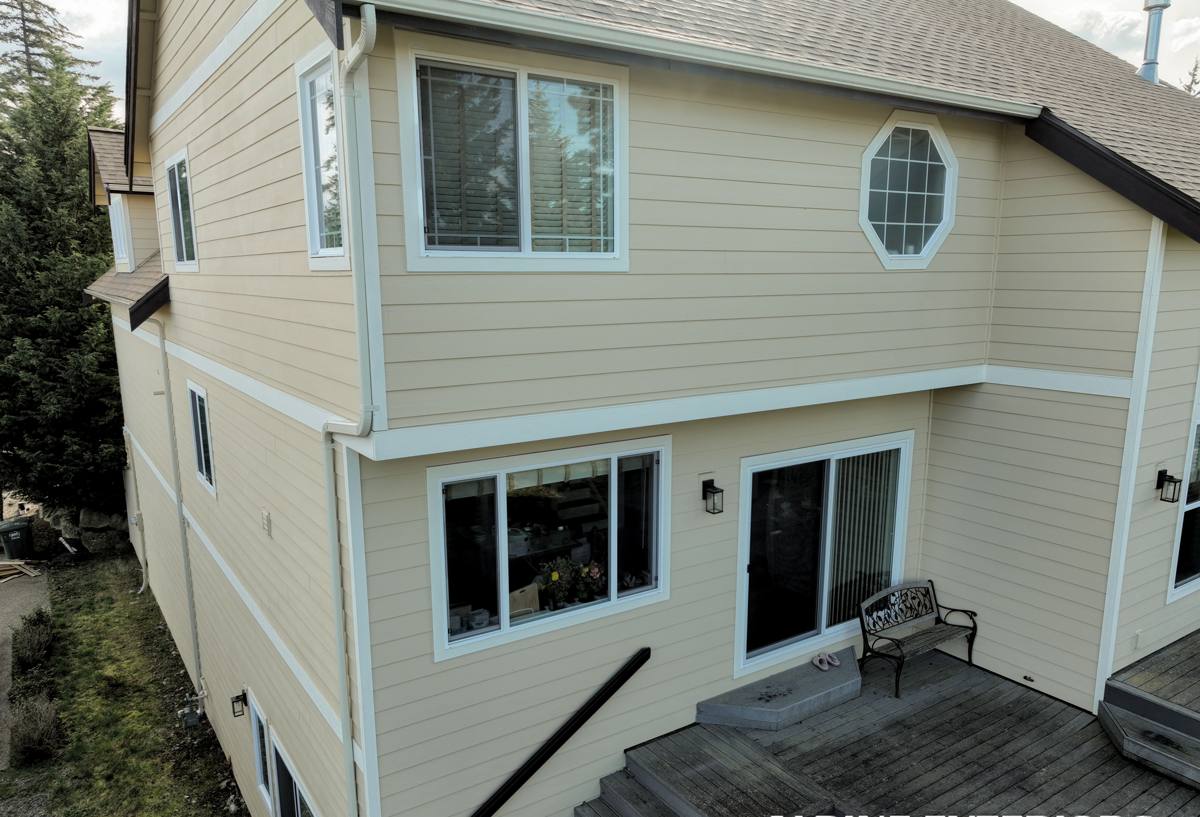
What Local Conditions Do to a Deck Over Time
Whatcom County doesn't get extreme weather very often, but it gets a lot of the same weather, over and over, for months at a time. That's harder on a deck than the occasional big storm.
Moss and Algae
Shaded lots and long stretches of overcast, damp weather create ideal conditions for moss and algae growth on horizontal surfaces. On decking, that's more than cosmetic — moss holds moisture against the board surface, and on wood decking it can accelerate rot in the areas it colonizes. On composite decking, algae growth is usually more of a slip hazard and a cleaning chore than a structural risk, but it still needs to be addressed.
Driving Rain and Wind-Driven Moisture
Homes closer to the water catch wind-driven rain that pushes moisture sideways, not just straight down. That matters for how a deck is flashed where it meets the house, how railings and fascia boards are detailed, and whether water has a clear path to shed instead of pooling or wicking into end grain.
Salt Air and Metal Fasteners
Proximity to Bellingham Bay means salt-laden air reaches further inland than people expect, especially on breezy days. Standard fasteners and hardware can corrode faster in this environment than the same products would in an inland Washington town. This is a detail that's easy to skip and expensive to fix later.
Design Choices That Matter More Here Than Elsewhere
Sun Exposure and Shade Patterns
Because so many Silver Beach lots have mature trees, we look closely at where a deck will actually sit in relation to shade before finalizing material and orientation. A deck that stays damp under tree cover all winter needs different detailing — better airflow underneath, wider board gapping, and sometimes a different material altogether — than one that gets full afternoon sun.
Slope and Lot Grading
Many lots in this area aren't flat, which affects footing depth, post height, and how water moves underneath and around the structure once it's built. A deck built without accounting for how the surrounding grade sheds water is one of the more common causes of premature substructure rot we see on older decks in this neighborhood.
Views and Layout
A lot of Silver Beach homeowners want a deck that actually gets used for sitting, grilling, and taking in the surroundings, not just a code-minimum platform off the back door. We talk through traffic flow, furniture placement, and sightlines during design, not after framing starts.
Choosing a Decking Material for This Climate
There's no single "best" decking material — there's a best material for your budget, your maintenance appetite, and how much shade and moisture your specific site deals with. Here's how the common options actually compare in a climate like this one.
| Material | Moisture Resistance | Moss/Algae Behavior | Maintenance | Typical Lifespan |
|---|---|---|---|---|
| Pressure-treated wood | Good if sealed regularly | Prone to moss buildup in shade; needs periodic cleaning | Annual cleaning and re-sealing recommended | 15-20 years with upkeep |
| Cedar | Naturally moisture-resistant, but surface needs protection | Also collects moss in shaded, damp spots | Regular cleaning and finish maintenance | 15-20 years with upkeep |
| Capped composite | Excellent — will not rot or absorb water | Algae can grow on surface but doesn't damage the board; needs occasional washing | Low — periodic washing, no sealing | 25-30+ years, manufacturer-backed warranty |
| Uncapped composite | Good, but more prone to surface moisture absorption than capped | More susceptible to staining and mold in shaded areas | Moderate — occasional cleaning | Shorter than capped composite in wet, shaded sites |
In shaded, damp yards like a lot of what we see in Silver Beach, capped composite tends to be the lowest-maintenance option long term. Wood is still a legitimate choice for homeowners who want that look and are willing to keep up with cleaning and sealing on a schedule — we'll be straight with you about that commitment either way.
Structural Details We Don't Skip
The parts of a deck nobody sees are the parts that determine whether it's still solid in fifteen years. In a wet climate, these details matter more than the decking material on top.
Ledger Board Flashing
Where the deck attaches to the house is the single most common failure point on decks we're called to repair. Proper flashing — installed correctly, not just caulked — keeps water from getting behind the ledger board and into the house framing.
Joist Protection
Wrapping joist tops with a moisture barrier tape before decking goes down keeps water from sitting on exposed end grain and working its way into the joist over years of freeze-thaw and wet-dry cycling.
Fastener Selection
Given the salt air exposure in this area, we use fasteners and structural hardware rated for coastal or high-corrosion environments rather than standard-grade hardware. It costs a little more up front and saves you from hidden hardware failure down the line.
Airflow Underneath
Deck height, joist spacing, and skirting design all affect how well air moves under the structure. Poor airflow traps moisture against the framing — this is a bigger factor on shaded lots than on decks that get regular sun.
How We Approach a Silver Beach Deck Project
1. On-Site Walkthrough
We look at your lot's sun and shade pattern, existing drainage, soil conditions, and how the space connects to your house before we talk materials or layout in detail.
2. Design and Material Selection
We go through the trade-offs honestly — wood versus composite, railing options, footprint — based on how you'll actually use the space and how much upkeep you want to sign up for.
3. Permitting
Most new decks and many deck replacements in Bellingham require a permit through the City of Bellingham or Whatcom County, depending on your address. We handle the permit application and inspections as part of the build.
4. Demolition and Site Prep (Replacements)
For deck replacements, we assess the existing ledger, posts, and framing during teardown — sometimes what looks fine from the top hides rot underneath, and we'll flag that before proceeding, not after your new decking is already down.
5. Framing and Structural Work
This is where the moisture-management details above get built in — flashing, joist protection, fastener grade, footing depth appropriate to your soil and slope.
6. Decking, Railing, and Finish Work
Final surface material, railing system, stairs, and any lighting or built-ins go in last, along with a final check of board gapping and drainage.
7. Walkthrough
We go over the finished deck with you, including what maintenance it needs and on what schedule, so there are no surprises in year two or three.
Keeping a Deck Looking Good Through a Bellingham Winter
Even a well-built deck needs some seasonal attention in this climate. Here's a basic maintenance checklist we give Silver Beach homeowners:
- Sweep leaves and debris off the deck surface regularly in fall — trapped leaves hold moisture and feed moss growth
- Clean moss and algae off the surface at least once a year, more often in heavily shaded spots
- Check and clear gaps between boards so water can drain instead of pooling
- Inspect railings and stair connections annually for looseness
- For wood decks, plan on cleaning and re-sealing on the schedule your finish product recommends, typically every one to two years in this climate
- Keep gutters and downspouts near the deck clear so roof runoff isn't dumping extra water onto or under the structure
- Trim back vegetation that's shading the deck surface or blocking airflow underneath
Why It Matters to Hire a Crew That Already Works This Neighborhood
A deck built to a generic spec sheet can look fine the day it's finished and still start failing within a few years if it wasn't built for the specific conditions of the site — shade pattern, slope, proximity to the water, and Whatcom County's long stretch of damp weather. A crew that already works in Silver Beach and the surrounding Bellingham area has seen how decks age here, not just how they're supposed to perform on paper. That shows up in small decisions — flashing details, fastener grade, board spacing, footing depth — that don't cost much more to get right the first time but cost a lot to fix later.
It also means we're not guessing at permitting requirements or typical soil and drainage conditions for your lot. We've pulled permits and built decks throughout Bellingham and Whatcom County, and we bring that local knowledge to every estimate.
Get a Free, No-Pressure Estimate
If you're planning a new deck or thinking about replacing one that's showing its age, we're happy to come take a look, walk the site with you, and give you an honest read on what it needs — no pressure, no pushy sales pitch. Use the form below to request a free estimate for your Silver Beach property.