 Bellingham Roofing
 Roofing for Silver Beach's Particular Conditions
Silver Beach sits in one of Bellingham's more tree-covered, water-adjacent pockets, and that combination shapes what a roof has to deal with year-round. Homes here get more shade than roofs out in open subdivisions, which means slower drying after every rain. They sit under mature conifers and deciduous trees, which means steady debris and needle litter collecting in valleys and behind chimneys. And like the rest of Whatcom County, they sit under a marine-influenced weather pattern that brings long stretches of damp air, driving rain off Bellingham Bay, and short winter days that don't give a roof much chance to dry out between storms. None of that is unique to one street or one house — it's the baseline every asphalt shingle roof in this neighborhood is working against, and it's why a roof that would hold up fine in a drier, sunnier part of the state can start failing early here.
Asphalt shingles remain a solid, practical choice for this kind of climate when they're specified and installed correctly. The problems we see aren't usually about the shingle itself — they're about ventilation, underlayment, flashing, and moss control not being matched to what this specific setting demands.
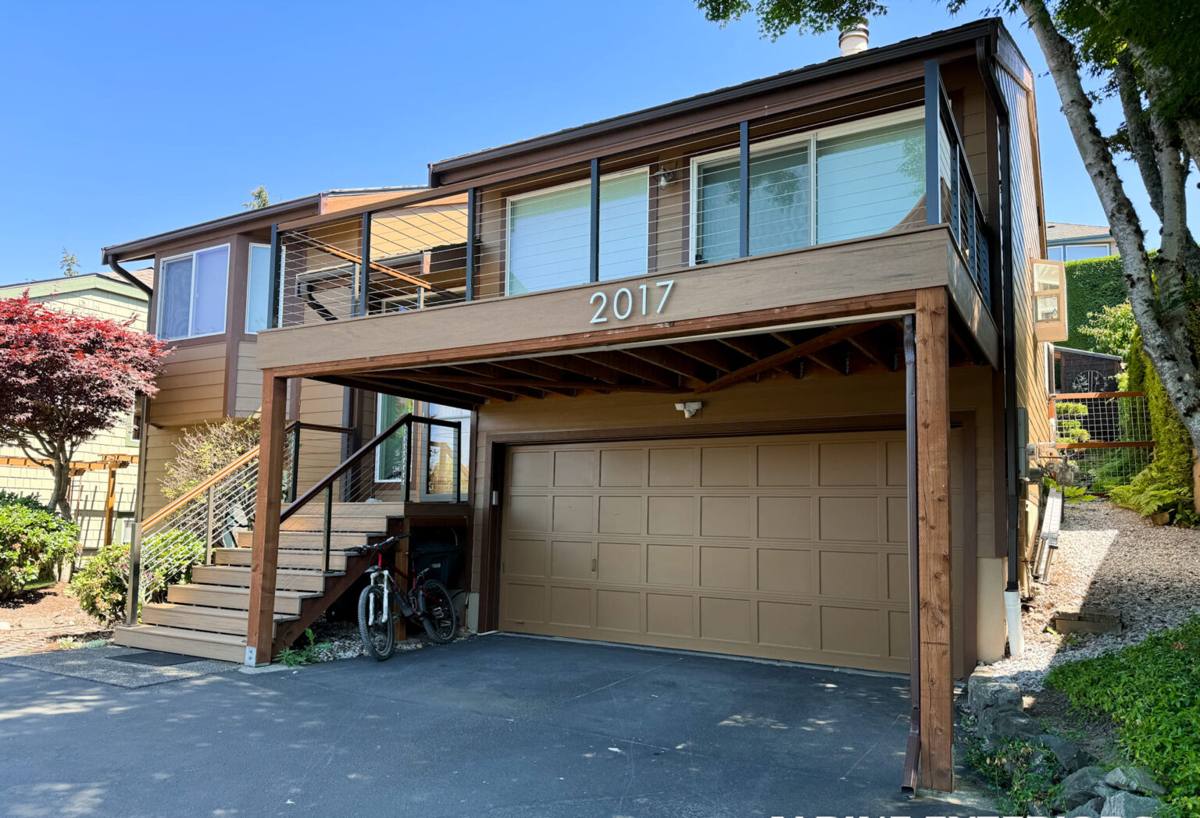
What a Correctly Built Asphalt Shingle Roof Needs Here
Underlayment That Assumes Rain, Not Just Blocks It
In a shaded, high-moisture neighborhood, we don't treat underlayment as an afterthought. A synthetic underlayment with proper lap and sealed penetrations does more work here than in a drier climate, because shingles in shaded areas simply stay wet longer. Ice-and-water shield at eaves, valleys, and around every roof penetration is standard practice, not an upgrade — those are the spots where standing moisture and freeze-thaw cycling do the most damage over time.
Ventilation Sized for a Shaded Roof
A roof that doesn't get much direct sun relies more heavily on ventilation to manage the moisture that builds up in the attic space. Balanced intake at the eaves and exhaust at the ridge keeps warm, moist air moving out instead of condensing on the underside of the sheathing. Undersized or blocked ventilation is one of the more common root causes we find behind premature shingle failure, sheathing rot, and moss taking hold faster than it should.
Flashing Details That Match Steep, Tree-Adjacent Rooflines
Chimneys, skylights, dormers, and roof-to-wall transitions are where roofs actually leak — the field of shingles rarely is. Step flashing, counter-flashing, and properly formed valley metal matter more on a property with complex rooflines or nearby tree cover dropping debris into those transitions. We size and detail flashing for the specific roof in front of us, not a generic template.
Our Process on a Silver Beach Roof
- Inspection first. We walk the roof, check the attic from inside when accessible, and look at ventilation, decking condition, and existing flashing before quoting anything.
- Honest scope. We tell you what actually needs to happen — full tear-off versus a legitimate repair, and why — rather than defaulting to the most expensive option.
- Tear-off and deck check. Old material comes off down to the deck so we can see the sheathing directly. Soft or delaminated decking gets replaced, not covered over.
- Underlayment and flashing installed to the standard above, not the minimum code allows.
- Shingle installation following the manufacturer's nailing pattern and exposure specs exactly — this is where warranty coverage is won or lost.
- Cleanup and magnetic sweep for nails, plus a final walk-through so you know what was done and what to watch for going forward.
Choosing a Shingle for This Setting
Not every asphalt shingle line performs the same way in a shaded, damp environment. The differences that matter most here are algae resistance, wind rating, and how forgiving the product is of the kind of debris buildup a tree-heavy lot produces.
| Shingle Class | Typical Lifespan | Best Fit For | Trade-Offs |
|---|---|---|---|
| 3-tab | 15–20 years | Budget-driven projects, simple rooflines | Lower wind rating, less algae resistance, shows wear faster under tree cover |
| Architectural / laminate | 25–30 years | Most Silver Beach homes | Higher upfront cost than 3-tab, but better wind rating and moisture performance |
| Premium / designer laminate | 30+ years | Steep or highly visible rooflines | Highest cost tier; benefit is mostly cosmetic plus added durability |
We generally recommend algae-resistant architectural shingles for this neighborhood specifically because of the shade and moisture exposure — the copper- or zinc-infused granule treatments most manufacturers offer slow down the black streaking and moss colonization that plague roofs sitting under tree canopy. It's a modest cost difference upfront that pays back in fewer maintenance calls.
Moss, Debris, and a Tree-Heavy Canopy
Moss isn't cosmetic — left alone, it lifts shingle edges, holds moisture against the roof deck, and shortens the life of the material underneath it. In a neighborhood with this much tree cover, moss pressure is constant, not seasonal, even though it's most visible in the wetter months. A few things make the biggest difference over the life of the roof:
- Keeping gutters and valleys clear of needles and leaf litter so water doesn't pool against the shingle edge
- Zinc or copper strips at the ridge, which release trace metal ions with each rain and slow moss regrowth over time
- Trimming back overhanging branches where practical, to cut down on both debris and the amount of shade holding moisture on the roof
- Gentle moss removal on a regular schedule rather than aggressive pressure-washing, which can strip granules and shorten shingle life faster than the moss itself would
- An annual or biannual visual check, especially after major windstorms, so small issues get caught before they become deck damage
Problems We Commonly Find on Roofs in This Area
A few issues show up often enough in shaded, wet-climate neighborhoods like this one that they're worth knowing about before they become expensive:
- Granule loss concentrated on the shaded side of the roof, where moisture sits longest
- Nail pops from improper original installation, working loose over repeated wet-dry cycles
- Soft decking discovered only at tear-off, usually from a slow leak that went unnoticed for years
- Valley wear where debris collects and channels extra water volume during heavy rain
- Ventilation that was adequate when the house was built but no longer matches added insulation or attic modifications
Why a Crew That Already Works This Neighborhood Matters
A roofing job done to spec on paper can still underperform if the crew doesn't understand how a specific microclimate behaves. A contractor who already works Silver Beach and similar Bellingham neighborhoods knows which rooflines need extra flashing attention because of nearby tree lines, understands how fast moss reestablishes on a north-facing slope under canopy, and has already seen what happens when ventilation is sized for a sunnier part of the county instead of a shaded one. That local pattern recognition shows up in fewer callbacks and a roof that's actually built for the conditions it will face, not just for a spec sheet.
What to Expect From a Fair Estimate
| Cost Factor | Why It Matters |
|---|---|
| Roof size and pitch | Steeper or larger roofs take more material, time, and safety setup |
| Number of layers being removed | Tear-off of multiple existing layers adds labor and disposal cost |
| Decking condition | Rotted or soft sheathing found during tear-off requires replacement before shingles go on |
| Roof complexity | Valleys, dormers, chimneys, and skylights each add flashing work |
| Shingle class selected | 3-tab, architectural, and premium lines carry different material costs |
| Ventilation upgrades needed | Adding proper intake or exhaust venting is sometimes required to meet code or warranty terms |
A trustworthy quote breaks these out so you can see what's driving the number, rather than handing you a single lump figure with no explanation.
Questions Worth Asking Any Roofer Before You Hire
- Will you inspect the decking during tear-off, or just re-cover what's there?
- What underlayment and ice-and-water shield are included, and where specifically will they be used?
- How will you handle ventilation if the current setup is undersized?
- Is moss and debris cleanup part of the estimate, or a separate line item?
- What does the manufacturer's warranty actually require from the installation to stay valid?
- Do you carry current liability insurance and workers' compensation coverage?
If your Silver Beach roof is showing granule loss, moss buildup, or you're just not sure how many years it has left, we're glad to take a look. The estimate is free, there's no pressure attached to it, and you'll get a straight answer about what your roof actually needs — use the form below to get started.