 Bellingham Roofing
 Siding Repair in Birchwood: What Bellingham's Climate Actually Does to Walls
Birchwood homes sit inside one of the wetter, wind-exposed corners of Washington. Bellingham Bay puts salt-laden air into the mix, Whatcom County's driving rain comes sideways more often than straight down, and the region's long, low-light stretch from fall through spring keeps north- and west-facing walls damp for weeks at a time. None of that is a defect in your house — it's just the environment every exterior surface here has to survive, year after year. Siding is the first line of defense against all of it, and when a section fails, the problem is rarely cosmetic. It's usually water finding a way past the surface and into the wall assembly behind it.
A siding repair done right in this climate isn't just about making a patch disappear. It's about understanding why that spot failed in the first place — so the fix outlasts the next few winters instead of just the next photo.
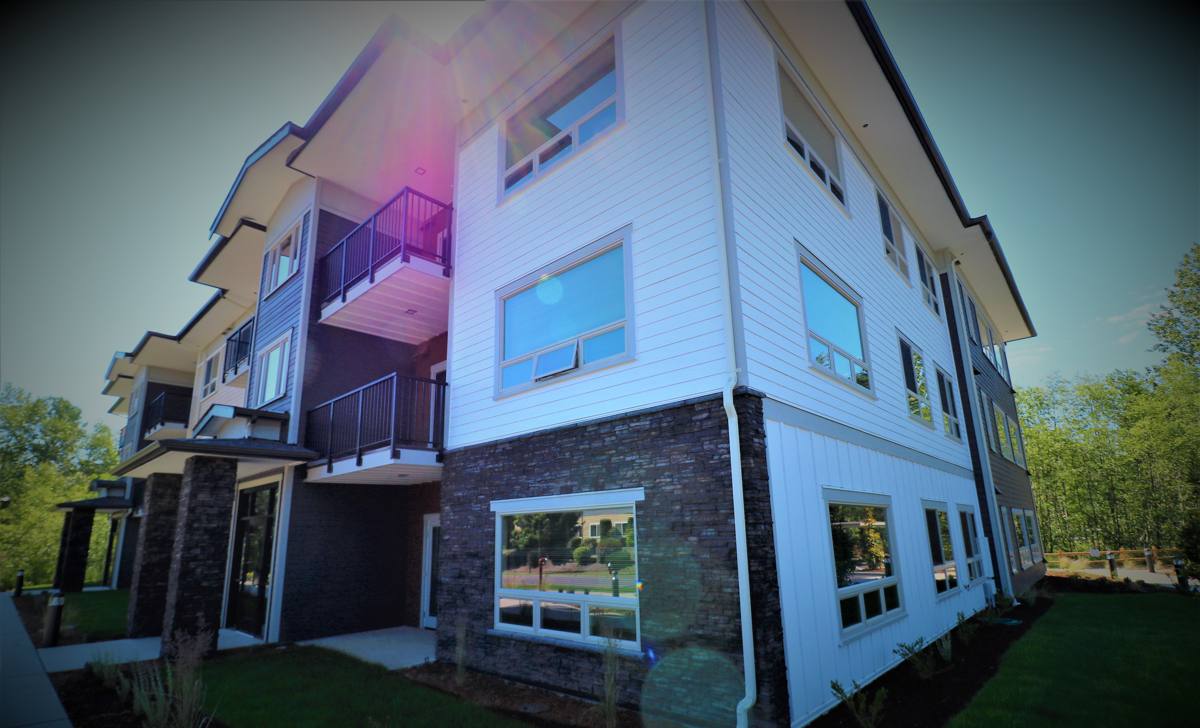
Signs a Birchwood Home Needs Siding Repair (Not Necessarily a Full Replacement)
Most siding problems we get called out for in Bellingham fall into a handful of categories. Catching them early is almost always cheaper than waiting:
- Soft, spongy, or crumbling spots when you press on a wall — usually water-damaged wood substrate under old siding, or rot in the siding itself
- Visible cracking, buckling, or separation at seams, corners, or butt joints
- Persistent black or green staining that keeps returning within weeks of cleaning, especially on shaded or north-facing walls
- Paint that's bubbling, peeling, or failing in one localized area while the rest of the house looks fine — a strong sign of trapped moisture behind that section
- Gaps or pulling away at window and door trim, which lets wind-driven rain track behind the siding
- Damage near ground level from splash-back, sprinklers, or soil contact
- A section that was patched before and is already failing again
A house doesn't need to be re-sided just because one wall or one corner is showing damage. If the framing and sheathing behind the failed section are still sound, targeted repair is the honest, cost-effective answer. The judgment call is figuring out how far the damage actually extends — which is where a lot of repair jobs go wrong when they're done fast instead of done right.
What a Correct Siding Repair Actually Involves
Diagnosing the Cause, Not Just the Symptom
Every repair starts with figuring out why that section failed. Was it a flashing gap at a window head? A missing kick-out flashing where a roofline meets a wall? Caulk used as a substitute for proper flashing? Splash-back from grade or hardscape too close to the wall? If we replace the damaged boards without fixing the underlying cause, the new siding fails the same way in a season or two — and now you've paid for the same repair twice.
Opening It Up Far Enough
Water damage almost always travels further than it shows on the surface. A proper repair means pulling back siding beyond the visibly damaged area to check the water-resistive barrier, sheathing, and framing underneath — and replacing anything compromised, not just the boards that looked bad from the driveway.
Matching the Material and the Finish
Patching in a different siding product, a different plank exposure, or an unmatched paint color turns a repair into a visible scar on the house. We match the existing reveal, profile, and finish as closely as the original product allows, and where an exact match isn't realistic — because a product was discontinued, or the existing siding is too far gone in that area — we'll say so up front instead of promising a seamless result we can't deliver.
Flashing and Water Management, Not Just Caulk
Caulk is a maintenance item, not a waterproofing system. A correct repair re-establishes proper flashing, laps, and drainage paths so water sheds away from the wall the way it's supposed to — the same standard we'd use on a full installation, just applied to a smaller section.
Repair vs. Replace: How We Actually Decide
Homeowners in Birchwood often call about "a repair" and it's the right call — but sometimes the damage tells a different story once we're behind the surface. Here's how we think through it:
| Factor | Favors Repair | Favors Full Replacement |
|---|---|---|
| Extent of damage | Isolated to one wall or a few sections | Recurring failures across multiple walls |
| Sheathing/framing condition | Sound once opened up | Rot found in multiple areas during inspection |
| Siding material | Still in production, matchable | Discontinued, brittle, or a product we won't warranty a patch into |
| Age of existing siding | Relatively young, otherwise performing well | Near or past its expected service life |
| Cause of failure | A fixable, localized flashing or drainage issue | A systemic problem — original install, product, or water management |
We'll always tell you honestly which side of that table your house lands on. A repair that's likely to fail again within a few years isn't a good use of your money, and we'd rather lose the smaller job than sell you one.
Why We Repair — and Replace — With James Hardie Fiber Cement Only
When a repair calls for new siding material, or when the damage is extensive enough that replacement of a wall section (or the whole house) makes more sense, we install James Hardie fiber cement exclusively. We don't install vinyl, LP SmartSide, Cemplank, Allura, primed spruce, or cedar, and in a climate like Bellingham's, that's a deliberate standard, not a brand preference.
Wood-based and engineered-wood products can perform well when detailed and maintained perfectly, but they're more sensitive to the exact conditions this region delivers constantly — sustained moisture, shaded damp walls, and salt air. Vinyl sheds water fine on the surface but doesn't hold paint, warps under heat and impact, and gives you far less flashing and moisture-management control at repairs and terminations. Cedar looks great and ages beautifully when it's maintained on schedule, but that maintenance burden is real, and skipped years show up as exactly the kind of rot and staining we get called out to fix. Hardie fiber cement is non-combustible, dimensionally stable in wet-dry cycling, and comes with a factory-applied ColorPlus finish that holds color and resists moss and mildew far better than field-applied paint on wood-based products. That combination is why it's the only material we stand behind for both new installs and repairs in this climate.
Practically, that also means when we patch into existing Hardie siding, we can match reveal, profile, and often the ColorPlus color line directly — a repair that blends in instead of standing out.
Our Process for Birchwood Siding Repair Calls
- Inspection. We look at the damaged area and the walls around it, check for the underlying cause, and probe soft spots to gauge how far the damage goes.
- Honest scope. We tell you plainly whether this is a contained repair, a larger section replacement, or something that points toward a full re-side — with reasoning, not a sales pitch.
- Opening and assessment. Once we're behind the siding, we confirm sheathing and framing condition before finalizing material and cost.
- Repair or replace. We fix the water-management detail that caused the failure, replace damaged material with matched Hardie product where applicable, and rebuild proper flashing and drainage.
- Finish and cleanup. Caulking, touch-up, and site cleanup so the repair reads as part of the house, not a patch job.
Moss, Algae, and Salt Air: Keeping a Repair From Becoming a Repeat Call
A good repair buys you years, but Bellingham's climate doesn't stop working on your siding once we leave. A little seasonal attention keeps small problems small:
- Rinse siding (especially shaded north-facing walls) once or twice a year to slow moss and algae buildup before it takes hold
- Keep gutters clear so overflow doesn't run down the wall face
- Trim back plantings and tree limbs that keep siding shaded and damp longer than the rest of the house
- Check caulking at trim, windows, and penetrations annually — it's a maintenance item, not a permanent fix
- Watch for soil, mulch, or hardscaping that's crept up too close to the bottom of the siding
- Address any new soft spots or staining early rather than waiting for it to spread
Why a Crew That Already Works Birchwood Matters
Siding repair in this part of Whatcom County isn't the same job as siding repair in a dry climate. Knowing which walls in a given neighborhood take the worst weathering, how salt air and shade interact on a particular lot orientation, and what a correctly flashed detail looks like after a real Pacific Northwest winter comes from doing this work locally, repeatedly — not from a general contractor passing through. A crew already familiar with Bellingham's housing stock and this region's climate patterns tends to diagnose the real cause faster and avoid repairs that look fine for one dry season and fail the next wet one.
If you've got a section of siding on your Birchwood home that's cracking, staining, or feels soft to the touch, we're glad to take a look and give you an honest read on what it needs. Reach out for a free, no-pressure estimate using the form below.