 Bellingham Roofing
 Siding in Barkley: A Different Set of Demands
Barkley sits close enough to Bellingham Bay and the surrounding waterways that homes here deal with a steady mix of salt-laden air, wind-driven rain off the water, and a moss season that can run most of the year in shaded, north-facing spots. None of that is unusual for Whatcom County, but it does mean siding in this neighborhood works harder than siding on a dry-side home in Eastern Washington. Material choice and installation quality matter more here, not less.
Salt air accelerates corrosion on fasteners and metal trim. Driving rain finds every gap in a poorly lapped joint or a caulked seam that was never meant to be a primary water barrier. And moss, once established on a shaded wall or a north elevation, holds moisture against the siding surface for weeks at a time. Any siding product installed in Barkley has to handle all three conditions at once, year after year, without babysitting.
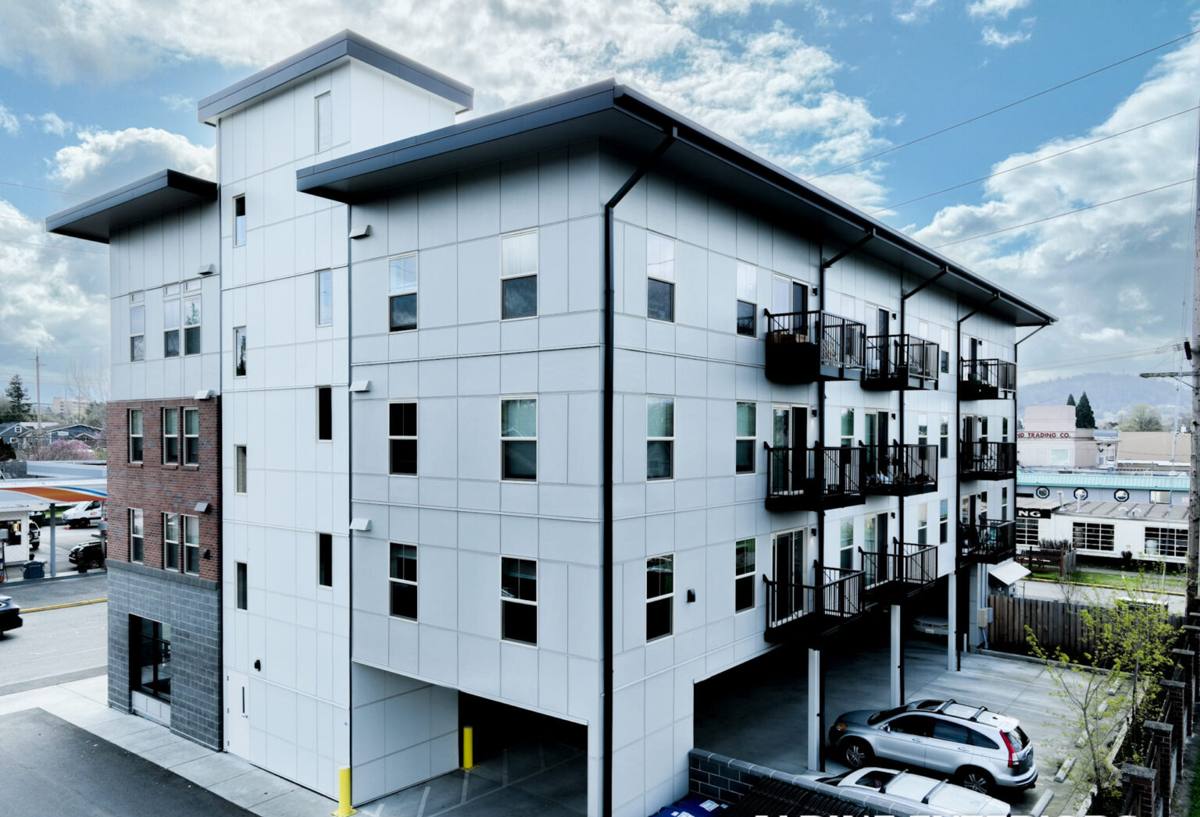
What "Correct" Siding Installation Actually Means
A lot of siding problems we get called out to inspect in Bellingham aren't product failures — they're installation failures. The product held up fine; the install let water behind it. Correct installation is less about the brand on the box and more about a handful of details done consistently on every wall:
- A drainable water-resistive barrier installed shingle-style so water sheds outward, not inward
- Proper flashing at every window, door, and roofline intersection — not caulk used as a substitute
- Correct fastener type, spacing, and depth for the specific siding product and wall assembly
- Minimum clearance from grade, decks, and roof lines so siding never sits in standing water or snow
- Butt joints and corners sealed and backed correctly, not just caulked on the surface
- Proper gapping and clearance at all penetrations to allow for expansion and drainage
Skip any one of these and it usually takes a few years — long enough that the installer is gone — before the damage shows up as swelling, staining, or soft sheathing underneath.
Why We Only Install James Hardie Fiber Cement
We made a decision a while back to standardize on James Hardie fiber cement siding and stop installing everything else — no vinyl, no LP SmartSide, no Cemplank or Allura, no primed spruce or cedar. That's a narrower lineup than most contractors offer, and we think that's the point. It lets us know one product system in depth rather than juggling installation specs, warranty terms, and failure modes across half a dozen brands.
The reasoning is straightforward for a climate like ours. Fiber cement is non-combustible, which matters more every wildfire season in the Pacific Northwest even for homes nowhere near a fire line, since insurers increasingly factor exterior materials into coverage and premiums. It doesn't absorb water the way wood-based products can, so it holds paint and resists rot in a climate that stays damp for months at a stretch. James Hardie's ColorPlus finish is baked on at the factory under controlled conditions, which gives more consistent, longer-lasting color than field-applied paint on site-finished siding. And Hardie's HZ5 product line is specifically engineered for the freeze-thaw and moisture cycling common to the Pacific Northwest, which is exactly what Barkley sees across a typical winter.
None of that means other products are junk — vinyl is inexpensive and low-maintenance in the right application, and cedar has real visual appeal. But when we weigh moisture behavior, long-term maintenance, fire performance, and warranty strength against what a Barkley home actually experiences over 20-plus years, fiber cement is what we're willing to put our name behind.
Our Installation Process for Barkley Homes
Assessment and Tear-Off
We start by inspecting the existing wall assembly, not just the siding surface. In a wet climate, the sheathing underneath is often the real question — if there's rot or soft spots from years of moisture intrusion, that gets addressed before a single new panel goes up. Covering damaged sheathing with new siding just hides the problem.
Water-Resistive Barrier
We install a new drainable house wrap or building paper, lapped correctly from the bottom up so every seam sheds water downward and outward. This layer, not the siding itself, is the home's actual primary defense against driving rain — the siding is the second line.
Flashing and Trim
All window and door flashing gets installed or replaced to integrate properly with the new water-resistive barrier. This is the step most commonly rushed on lower-bid jobs, and it's the step most responsible for callbacks years later.
Hardie Panel Installation
Panels or planks go up per James Hardie's published fastening and clearance specifications — not generic "siding" specs. Fastener spacing, minimum overlap, and clearance from rooflines, decks, and grade all follow the manufacturer's requirements so the product performs and the warranty stays valid.
Caulking, Painting, and Final Detail
Joints, corners, and penetrations are sealed with the right sealant for the application, and any field-cut edges get sealed per Hardie's specification before final trim goes on.
Moss, Shade, and Long-Term Maintenance
Barkley has enough tree cover and enough north- and east-facing walls that moss and mildew are a realistic long-term concern for any exterior surface, siding included. Correct installation reduces the risk substantially — proper clearance from grade and vegetation, good drainage behind the wall, and a factory finish that doesn't provide the same foothold that raw wood or degraded paint does. But no siding product is moss-proof if it's shaded, damp, and never cleaned.
A simple annual rinse with a garden hose (not a pressure washer aimed directly at seams) and keeping vegetation trimmed back from walls goes a long way. ColorPlus finish also means homeowners aren't repainting every few years just to keep moss and mildew staining from becoming permanent, which is a real maintenance-cost difference over a couple of decades.
Signs Your Barkley Home's Siding Needs Attention
- Visible warping, buckling, or gaps between boards or panels
- Paint that's peeling, bubbling, or chalking heavily, especially on shaded walls
- Soft or spongy areas when you press on the siding near the base of the wall
- Persistent moss or dark staining that returns quickly after cleaning
- Visible daylight or drafts at seams, corners, or window trim from inside
- Rising energy bills that don't match any other change in the home
Any one of these on its own isn't necessarily an emergency, but a few together usually mean the wall assembly is taking on water and it's worth a proper inspection before it becomes a sheathing repair instead of a siding job.
Cost Factors for a Barkley Siding Project
| Factor | Why It Matters |
|---|---|
| Home size and wall complexity | More corners, dormers, and trim details mean more cutting, flashing, and labor time |
| Existing sheathing condition | Rot or water damage found during tear-off adds repair scope before new siding goes up |
| Siding profile chosen | Lap, shingle, and panel styles differ in material and labor cost |
| Trim and accessory scope | Corner boards, window trim, and fascia work add to the total install |
| Access and site conditions | Slopes, tight setbacks, and mature landscaping near Barkley homes can affect staging and labor time |
| Color and finish selection | Factory ColorPlus finishes vary slightly in cost versus primed-for-paint options |
Why a Crew That Already Works Barkley Matters
Siding installed correctly for a dry inland climate isn't automatically installed correctly for Barkley. Flashing details, clearance requirements, and even fastener selection can differ based on how much wind-driven rain and salt exposure a wall actually sees. A crew that regularly works Bellingham's western neighborhoods already knows which walls in this area take the worst weather, where moss tends to establish first, and how the local building department expects flashing and moisture barriers detailed on inspection.
There's also a practical side to hiring local: a Bellingham-based crew is available for a warranty check or a question two years down the road without a service call across the state. For an install meant to last decades, that ongoing relationship is worth more than a marginally lower bid from a crew that won't be back in the area.
What Happens After Installation
James Hardie backs its fiber cement products with a transferable limited warranty, and the ColorPlus finish carries its own separate finish warranty covering fading and peeling when installed per specification. Because installation quality directly affects whether a warranty claim holds up, we document the install as we go — flashing, fastening, and clearances — so there's a clear record if anything ever needs to be referenced later. That documentation, paired with a product warranty from the manufacturer, is what actually protects a homeowner over the life of the siding, not just the finish coat.
If you're weighing a siding replacement or repair for a home in Barkley, we're happy to take a look and walk you through what your specific walls need — no pressure, no obligation. Use the form below to request a free estimate.