 Bellingham Roofing
 Windows in Sehome Have to Work Harder Than People Think
Sehome sits close enough to Bellingham Bay that salt-laden air is a daily fact of life, not an occasional nuisance. Add in the driving rain that comes sideways off the water during fall and winter storms, and a moss season that can stretch from October well into spring, and you've got conditions that are genuinely tough on window systems. Frames corrode faster near the coast. Seals fail sooner when they're constantly cycling between soaked and dry. And on older homes with mature tree cover — common throughout Sehome's established residential streets — moss and organic debris pack into sills and tracks in ways that trap moisture against wood and vinyl alike.
None of this means Sehome homes need exotic products. It means the installation has to be done correctly, with materials and flashing details chosen for this specific climate, not for a generic weather zone. A window that performs fine in a dry inland market can fail within a few years here if it's installed without the right moisture management.
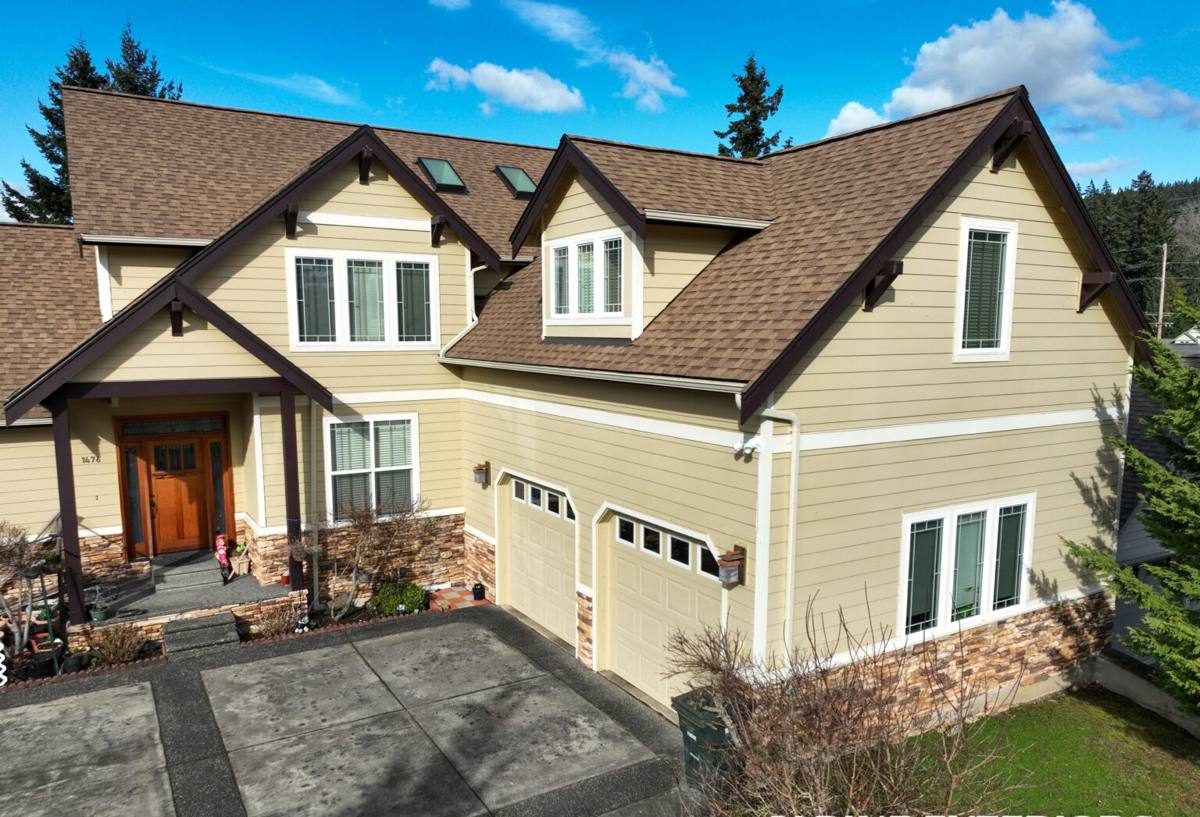
What Correct Window Installation Actually Involves
Window installation is often talked about like it's just "measure, cut, drop it in." In reality, the window unit itself is only part of the job. The bigger factor in long-term performance is how the opening is prepared and sealed before the window ever goes in.
The Parts Homeowners Rarely See
- Removing and inspecting the old window opening for hidden rot, especially at the sill and bottom corners where water collects
- Installing sill pan flashing so any water that gets past the window sheds outward instead of soaking into the framing
- Integrating flashing tape and house wrap in the correct shingle-lap order so water always drains down and out, never behind the siding
- Using low-expansion foam or backer rod and sealant around the frame — not just caulk on the exterior trim
- Setting the window level, plumb, and square so the sash operates smoothly and weatherstripping seats evenly for years, not just on install day
Skip or rush any of these steps and you can end up with a brand-new window that still leaks, fogs, or sticks within a couple of seasons — even if the window product itself was a good one.
Common Window Problems We See Around Sehome
Every neighborhood has its own patterns based on housing stock and exposure. In Sehome, the recurring issues tend to be:
Failed or Fogged Double-Pane Glass
Once the seal between panes fails, moisture gets between the glass layers and no amount of cleaning fixes the permanent fog or haze. This shows up more here because the constant humidity and temperature swings stress the seal faster than in drier climates.
Wood Sill and Frame Rot
Original wood-frame windows on older Sehome homes can still be structurally serviceable — or they can be quietly rotting at the sill where paint has failed and rainwater has been sitting for years. Moss and organic buildup on north- and west-facing walls accelerate this.
Vinyl Frame Warping and Discoloration
Cheaper vinyl frames installed without proper flashing or ventilation can warp under repeated wet-dry cycling, and UV plus salt air will chalk and discolor lower-grade vinyl over time.
Drafts and Condensation on Interior Glass
Persistent interior condensation is usually a sign the window's insulating performance no longer matches Whatcom County's damp winters — either the seal has failed or the original installation left gaps in the insulation around the frame.
Our Installation Process
The process is straightforward, but we don't skip steps to save time. Here's how a typical Sehome window replacement runs:
- On-site assessment — we check the existing openings for rot, measure accurately, and note any structural or flashing issues before quoting anything
- Product selection — we walk through frame material, glass package, and style options suited to your home's exposure and your budget
- Opening prep — old windows come out carefully, framing is inspected and repaired if there's rot or damage, and any old, failed flashing is replaced rather than covered over
- Flashing and sealing — sill pans, flashing tape, and house wrap integration done in proper drainage order
- Window setting — leveled, plumbed, squared, and insulated around the frame, then sealed and trimmed
- Final check — every window is operated, inspected for gaps, and cleaned before we walk it with you
Choosing the Right Window for a Sehome Home
There's no single "best" window — the right choice depends on your home's age, exposure, and how much upkeep you want going forward. Here's how the common frame options compare for this climate:
| Frame Material | Moisture Resistance | Maintenance | Typical Lifespan |
|---|---|---|---|
| Vinyl (quality-grade) | Good when properly flashed | Low — occasional cleaning | 20–30 years |
| Fiberglass | Excellent — very stable in wet/dry cycling | Low | 30–40+ years |
| Wood (painted) | Fair — needs a sound paint film | High — repaint every few years | Varies widely with upkeep |
| Wood-clad (exterior aluminum/vinyl shell) | Good — clad protects the exterior face | Moderate | 25–35 years |
For most Sehome homes near the water and under heavy tree cover, we steer clients toward fiberglass or quality vinyl for the exterior-facing performance, with wood-clad as a strong option when matching an existing architectural look matters. We treat bare exterior wood frames as a higher-maintenance choice given our rain totals — not because the material is bad, but because keeping a paint film intact here takes real discipline.
Retrofit vs. Full-Frame Replacement
This decision matters more than most homeowners realize, and it's worth understanding before you get quotes.
Retrofit (Pocket) Replacement
The new window is inserted into the existing frame, which stays in place. It's faster and less invasive to siding and trim, and it's a reasonable option when the existing frame is solid and dry.
Full-Frame Replacement
The entire window, including the old frame, comes out down to the rough opening. This is the only way to actually inspect and repair hidden rot, replace failed flashing, and correct a poor original installation. It costs more and involves more exterior work, but on homes where we suspect moisture has been getting behind the old frame, it's the honest recommendation.
We won't push full-frame replacement on a home that doesn't need it, and we won't recommend a quick retrofit over a frame that's clearly compromised — the assessment drives the recommendation, not the other way around.
What to Expect During the Project
A little preparation on your end keeps the project moving smoothly:
- Clear furniture, blinds, and window treatments from the work area ahead of time
- Expect some noise and dust near each opening during removal — we protect flooring and surfaces, but it's still a construction process
- Pets should be kept in a separate part of the house while openings are exposed
- Most single-day, whole-home window projects are weather-dependent — we schedule around Whatcom County's rain patterns to keep openings covered and dry
- We walk each completed window with you before calling the job done
Why a Crew That Already Works Sehome Matters
A lot of window problems in this area trace back to installers applying generic techniques that aren't matched to our rainfall and salt exposure. A crew that regularly works Sehome and the surrounding Bellingham neighborhoods already knows which flashing details actually hold up here, which frame materials are worth the added cost near the water, and which older homes in the area tend to have hidden sill rot before we even pull the trim. That familiarity shows up in fewer surprises during the job and fewer callbacks after it.
It also means we're not guessing at permitting or code requirements for Whatcom County — we handle that as a normal part of the process, not an afterthought.
After Installation: Keeping Windows Performing
New windows still need basic upkeep in this climate. Rinse salt residue off exterior frames a couple of times a year, especially on sides facing the bay. Clear moss and leaf debris from sills and tracks before it packs in and holds moisture. Check exterior caulk lines annually and have any cracking addressed before water gets behind it. None of this is heavy maintenance — it's the difference between a window that lasts its full rated lifespan and one that starts failing early because moisture got a foothold.
If you're weighing whether it's time to replace windows in your Sehome home, we're happy to take a look and give you a straight answer — including telling you if a window doesn't need replacing yet. Reach out for a free, no-pressure estimate using the form below.