 Bellingham Roofing
 Sehome's Siding Problem Is a Climate Problem
Sehome sits close enough to Bellingham Bay that salt-laden air is a constant, low-grade stress on exterior building materials, and it works alongside two other factors that define siding wear in this part of Whatcom County: driving, wind-pushed rain that hits walls at an angle instead of falling straight down, and a moss and algae season that can run eight or nine months out of the year in shaded, tree-covered lots. None of these three things alone would be a big deal. Together, over years, they're what separates a siding job that lasts two decades from one that fails in eight.
Homes in Sehome tend to be older stock mixed with newer infill, often on lots with mature trees that keep north- and east-facing walls damp long after a storm has passed. That combination of shade, moisture, and salt air is exactly the environment where the wrong siding choice — or a right choice installed poorly — shows its weaknesses fastest.
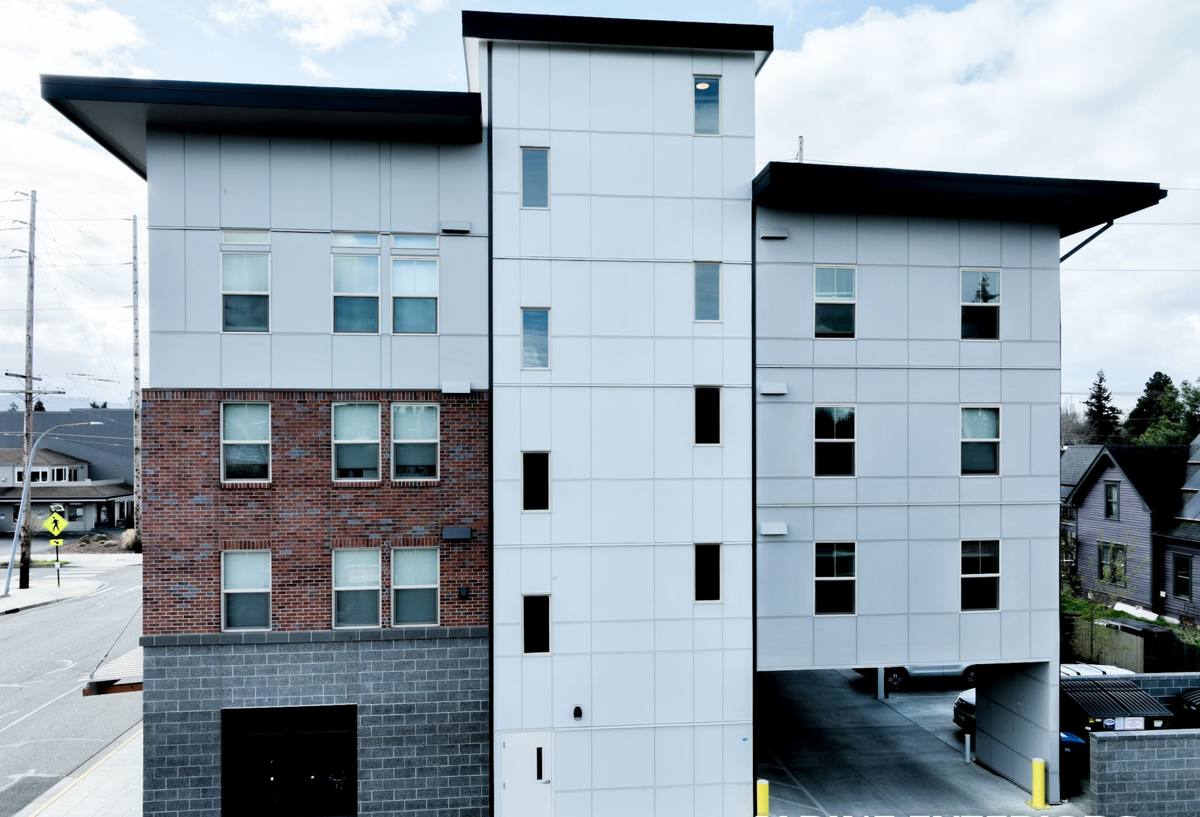
How to Tell Your Siding Is Past Its Service Life
Siding failure is rarely dramatic. It shows up as a slow accumulation of small problems that homeowners often chalk up to normal aging before realizing they've crossed into replacement territory. In Sehome specifically, we look for these signs:
- Soft or spongy spots when you press on the siding, especially near the bottom courses and around window trim
- Persistent moss, algae, or black streaking that comes back within weeks of cleaning
- Visible cupping, warping, or bowing panels, particularly on shaded north- and east-facing walls
- Paint that's failing faster than it should — chalking, peeling, or needing a repaint every 3-4 years instead of 7-10
- Gaps opening up at seams, corners, or butt joints where caulking has pulled away
- A musty smell along interior walls that back up to exterior siding, which can indicate moisture intrusion behind the cladding
Any one of these can be a localized repair. Several at once, especially on a home more than 20 years old, usually means the underlying material or the original installation is compromised and patch repairs are just delaying a full replacement.
Why Homeowners Wait Too Long
Siding damage in Bellingham's climate hides well. Moisture gets behind panels through failed caulk joints or poor flashing details and does its damage to the sheathing and framing long before the exterior surface looks alarming. By the time siding looks obviously bad from the curb, there's a real chance the water intrusion has already reached the wall assembly underneath — which turns a siding job into a siding-plus-sheathing-repair job.
What a Correct Siding Replacement Actually Involves
Siding replacement done right is not just removing old panels and nailing up new ones. In a climate like ours, the parts you don't see matter more than the parts you do. A proper job includes:
Full Tear-Off and Inspection
We remove the existing siding down to the sheathing so we can actually see what's underneath — rot, soft framing, or old moisture damage that's invisible from outside. Skipping this step and installing new siding over compromised sheathing just buries the problem for the next owner to find.
Weather-Resistive Barrier and Drainage Plane
A correctly installed drainage plane gives any moisture that does get behind the siding somewhere to go, rather than sitting against the wood sheathing. This detail matters more in Bellingham than in drier climates, because our wind-driven rain pushes more water toward the wall than a simple vertical rainfall does.
Flashing at Every Penetration
Windows, doors, hose bibs, vents, and light fixtures are where the vast majority of siding-related water intrusion actually starts. Correct flashing — installed in the right order relative to the weather barrier, not just caulked over — is the difference between a wall that sheds water and one that traps it.
Manufacturer-Spec Installation
Fiber cement siding has specific nailing patterns, clearances from grade and roof lines, and gapping requirements at joints. These specs exist because they're what the warranty is actually built on, and they're also what keeps the material performing in wet, salt-air conditions for its full service life.
Why This Company Installs Only James Hardie Fiber Cement
We don't install vinyl, LP SmartSide, cedar, primed spruce, or other fiber cement brands. That's a deliberate standard, not a limitation of what we're capable of installing. James Hardie's fiber cement is non-combustible, holds paint and factory finish longer in wet, humid conditions than wood-based or vinyl alternatives, and doesn't have the moisture-related failure modes that engineered wood products can develop when a seal gets compromised. For a neighborhood dealing with salt air and a long wet season, that durability profile is the whole point.
Hardie's ColorPlus factory-applied finish is baked on and backed by its own finish warranty, which matters in a climate where field-applied paint has to fight moss growth and moisture cycling year-round. It also means fewer repaint cycles over the life of the siding, which matters more here than in a drier climate where paint simply lasts longer regardless of brand.
Climate-Engineered Product Lines
James Hardie makes region-specific HZ (HardieZone) product formulations engineered for different climate zones across the country. Western Washington falls into the HZ5 zone, meaning the boards installed here are formulated for a wetter, more freeze-thaw-moderate climate than what you'd get with a one-size-fits-all product. That's a meaningful distinction — it's not just the same board sold everywhere with a different label.
Product Lines and Colors That Work for Sehome Homes
| Hardie Product | Best Use | Why It Fits This Area |
|---|---|---|
| HardiePlank lap siding | Most common wall application | Traditional look, wide color range, proven in wet climates |
| HardieShingle | Accent gables, Craftsman-style homes | Common architectural style in older Bellingham neighborhoods |
| HardiePanel | Modern vertical siding, accent walls | Popular on newer infill construction |
| HardieTrim | Window, door, and corner trim | Matches fiber cement durability to trim, avoiding mismatched wear rates |
Color choice matters more here than homeowners often expect. Darker colors on shaded, moss-prone walls can make algae growth more visible sooner, while ColorPlus finishes across the board are formulated to resist fading and mildew better than field-applied paint. We walk through color and product line options as part of every estimate, based on the specific exposure of each wall.
Our Process, Start to Finish
- Walkthrough and estimate — we inspect the current siding, check for hidden moisture or sheathing damage where accessible, and measure the home
- Scope and proposal — a written estimate covering product line, color, trim details, and any sheathing repair allowance
- Permitting — where the scope of work requires it, we handle the paperwork with the City of Bellingham
- Tear-off and inspection — full removal of old siding, sheathing assessed and repaired as needed before anything new goes up
- Weather barrier and flashing — installed to manufacturer spec at every window, door, and penetration
- Hardie installation — panels, trim, and accents installed to James Hardie's fastening and clearance requirements
- Final walkthrough — we review the finished work with the homeowner before calling the job complete
What Siding Replacement Typically Costs
Every home is different, and we don't quote prices without seeing the house, but these are the factors that actually move the number up or down on a Sehome siding project:
| Cost Factor | Impact on Price |
|---|---|
| Home size and wall area | Largest single driver of material and labor cost |
| Sheathing or framing repair needed | Can add meaningfully if moisture damage is found during tear-off |
| Number of stories | Multi-story homes require more scaffolding and labor time |
| Trim and architectural detail | Gables, dormers, and shingle accents add labor beyond flat wall runs |
| Product line selected | Plank, shingle, and panel Hardie products carry different material costs |
| Access and site conditions | Tight lots, mature landscaping, or slope can add setup time |
The only way to get a real number is a walkthrough — broad online estimates for siding replacement are close to meaningless once you factor in what's actually happening behind the existing panels.
Why a Crew That Already Works in Sehome Matters
Siding installation quality has as much to do with judgment calls in the field as it does with the product itself — how much clearance to leave at a butt joint, where to add extra flashing on a wall that catches more wind-driven rain than its neighbors, which walls in a shaded lot need extra attention to moisture drainage. A crew that regularly works Bellingham and the surrounding Whatcom County neighborhoods has already made those calls dozens of times on homes facing the same salt air, the same rain patterns, and the same moss pressure your home deals with. That local repetition is what separates a siding job that looks right on installation day from one that still performs correctly five winters later.
We also know the practical side of working in this area — typical permitting expectations with the City of Bellingham, common construction styles in older Sehome-area homes, and the seasonal weather windows that make scheduling exterior work straightforward versus difficult.
Keeping New Siding Performing Long-Term
Correctly installed James Hardie siding is low-maintenance, but low-maintenance isn't no-maintenance in this climate. A periodic rinse to keep moss and algae from establishing, prompt attention to any caulking that separates at trim joints, and keeping gutters clear so overflow doesn't run down wall surfaces will all extend the practical life of the installation well beyond the material's baseline durability.
If your Sehome home is showing any of the wear signs above, or you're just planning ahead before it becomes an urgent repair, we're happy to take a look. Estimates are free, there's no pressure to sign anything on the spot, and you'll get a straight answer about what your siding actually needs — use the form below to get started.