 Bellingham Roofing
 Custom Windows Built for Sehome's Older Housing Stock
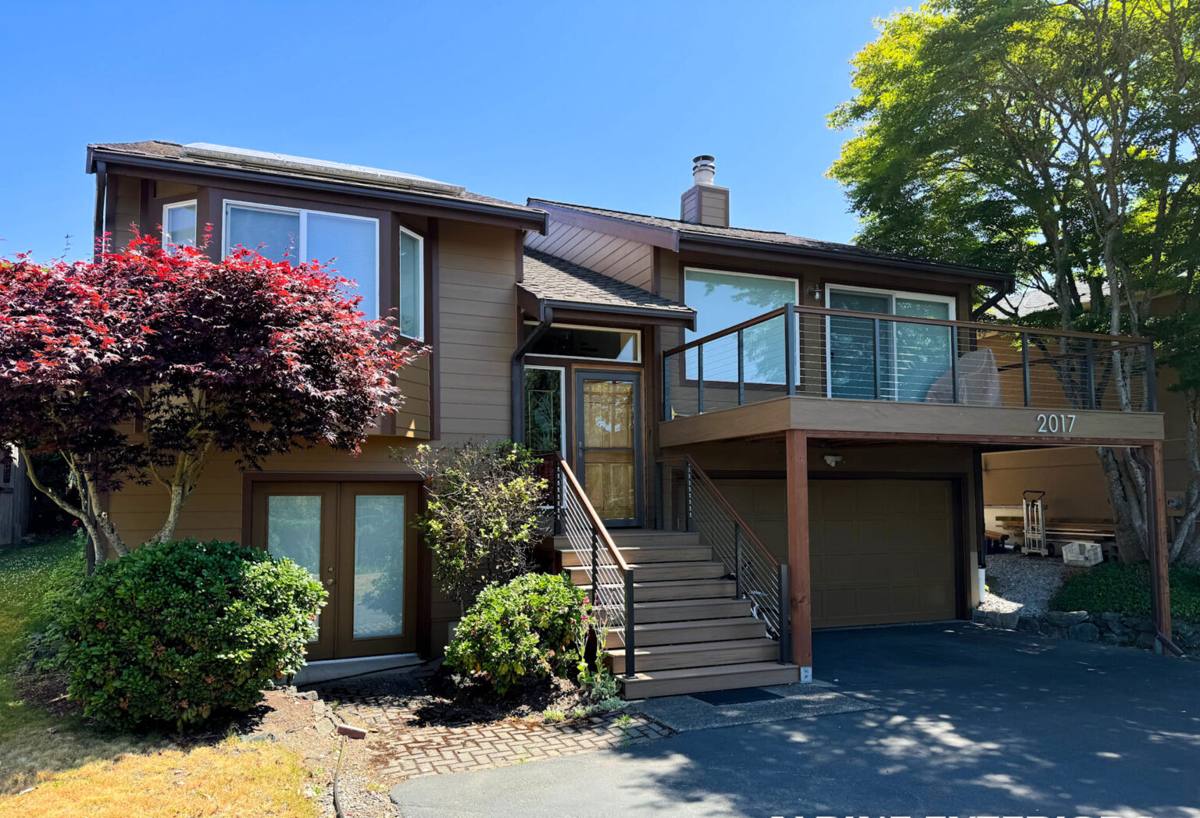
Sehome is one of Bellingham's older, more established neighborhoods, with a mix of early-1900s bungalows, mid-century homes, and newer infill construction packed onto tree-shaded lots close to Western Washington University and downtown. That age and density create a specific window problem: original wood sash windows that have been painted shut a dozen times, aluminum-frame replacements from the 1970s and 80s that are now single-pane and drafty, and a handful of vinyl retrofits from the 2000s that never sealed properly against the wall assembly. Custom windows in this context aren't just about picking a style off a catalog page. They're about matching new units to openings that were framed decades before modern window sizing standards existed, and doing it in a way that actually stops water and air from getting in.
Because so many Sehome lots are narrow and homes sit close together, window placement also has to account for privacy, natural light in rooms that may not get direct sun for much of the day, and matching the character of a street where a mismatched window style stands out. A custom approach lets us solve the performance problem and the appearance problem at the same time, instead of trading one off against the other.
What Bellingham's Climate Actually Does to a Window
Whatcom County sits in a marine climate zone, and Sehome gets the full effect of that: persistent damp air, long stretches of driving rain off the water, and a moss season that can run from fall through spring. None of that is dramatic on any single day, but it's relentless over the life of a window, and it's the reason so many older windows in this neighborhood fail from the inside out rather than from any one storm.
Salt Air and Metal Fatigue
Bellingham's proximity to the bay means airborne salt and moisture reach even inland neighborhoods like Sehome, especially on windows facing west or south where prevailing weather hits directly. Salt-laden moisture accelerates corrosion on aluminum frames, hardware, and fasteners, and it breaks down cheaper finishes faster than a straightforward rain-only climate would. We factor this into hardware and frame material recommendations, not just glass choice.
Driving Rain and Wind-Driven Water
Bellingham gets rain that doesn't just fall straight down — wind off the water pushes it sideways and up under trim, sills, and poorly lapped flashing. A window that would perform fine in a drier or calmer climate can leak here simply because the flashing details weren't built for wind-driven water. This is the single most common failure point we see on older Sehome homes: not the glass, not the frame, but the flashing and sealant work around the opening.
Moss, Shade, and Trapped Moisture
Sehome's mature tree canopy is part of what makes the neighborhood attractive, but it also means many homes get filtered, indirect light for large parts of the day. Combined with our long wet season, that creates ideal conditions for moss and algae to establish on sills, trim, and anywhere water sits instead of draining. Moss holds moisture against wood and painted surfaces far longer than open rain exposure does, which accelerates rot in sills and jambs that aren't detailed to shed water quickly.
Signs a Sehome Home Needs Custom Windows, Not Stock Replacements
- Window openings are out of square or slightly irregular, common in homes built before modern framing tolerances — stock sizes leave gaps that get packed with foam and caulk instead of properly flashed
- Visible condensation between panes, which means the seal on a double-pane unit has already failed
- Soft, spongy, or discolored wood at the sill or lower corners of the frame — a sign moisture has been sitting there for a while
- Persistent moss or dark staining on the sill or exterior trim, even after cleaning
- Drafts you can feel with a hand near the frame on a windy day
- Paint that's failing or bubbling on interior trim, which often points to moisture moving through from outside
- Historic or character-driven exterior where a stock window profile would look out of place next to original trim and siding
Getting the Installation Right: What a Correct Job Involves
Most window failures we get called out to fix in Sehome aren't product failures — they're installation failures. The window itself is usually fine; the flashing, sealing, and integration with the wall assembly is where things went wrong. A correct installation in this climate means:
Removal Without Damaging the Opening
Old sash, frame, and any rotted trim come out carefully so we can see the actual condition of the framing underneath. On older Sehome homes this step often reveals moisture damage that wasn't visible from outside — sometimes minor, sometimes requiring framing repair before a new window goes in at all.
Flashing That Matches Our Rain Pattern
We flash openings to shed wind-driven rain, not just vertical rain. That means proper head flashing above the window, back-dammed sill pans that direct any water that gets past the frame back outside instead of into the wall, and side flashing that laps correctly with the house wrap or building paper. This is the detail that determines whether a window leaks in year two or performs for decades.
Sealing the Right Way, Not the Fast Way
Low-expansion foam and the correct exterior sealant at the right joints — not just a bead of caulk around the trim. Over-sealing a window so it can't drain condensation or incidental moisture is almost as bad as under-sealing it; both lead to trapped water.
Fit and Finish
Custom-sized units mean no shimming gaps to make a stock size work. The window operates smoothly, closes tight, and the trim lines match the rest of the house.
Choosing the Right Frame Material for This Climate
| Frame Material | How It Handles Our Climate | Maintenance | Best Fit For |
|---|---|---|---|
| Vinyl | Resists moisture and corrosion well, doesn't need painting | Low — occasional cleaning | Budget-conscious replacements, rear or side elevations |
| Fiberglass | Very stable in temperature swings, holds up well to damp and salt air | Low | Homes wanting long-term durability without wood upkeep |
| Aluminum | Strong but conducts cold and is more prone to corrosion near the bay without a quality finish | Moderate | Modern or contemporary styling where narrow sightlines matter |
| Wood / Wood-Clad | Best appearance match for older Sehome homes, but needs a durable exterior cladding or diligent upkeep to handle our rain | Higher — periodic finish maintenance | Historic or character homes where appearance is the priority |
There's no single "best" material — it depends on which elevation the window faces, how much upkeep the homeowner wants to do, and whether matching the home's original character matters more than minimizing maintenance. We walk through this trade-off honestly rather than pushing one product line for every job.
Glass and Performance Options Worth Understanding
Double-pane, low-E glass is the practical baseline for this climate — it manages heat loss and helps control condensation, which matters given how much of the year Bellingham runs damp and cool. Beyond that:
- Argon or krypton gas fill between panes improves insulation value with no visible difference
- Low-E coatings reduce heat loss in winter and glare in summer, and help protect interior finishes from UV fading
- Laminated glass adds sound dampening, useful on homes closer to busier Sehome streets or near campus
- Triple-pane glass is available but is a real cost jump for a marginal gain in our moderate coastal climate — we'll tell you honestly if it's worth it for your specific situation rather than upselling it by default
Our Process From Estimate to Finished Install
- On-site assessment — we measure every opening individually, check framing condition, and note drainage and exposure issues specific to your home's orientation
- Material and style walkthrough — we go over frame material, glass package, and style options that fit both your budget and the home's character
- Custom fabrication — windows are built to the actual opening dimensions, not rounded to the nearest stock size
- Removal and framing check — old units come out, and we address any rot or moisture damage found before installation
- Installation with climate-appropriate flashing and sealing — detailed above, and the step that determines long-term performance
- Final inspection and walkthrough — we check operation, seal integrity, and trim finish with you before calling the job done
Why a Crew That Already Works Sehome Matters
Working regularly in this neighborhood means we already know the common framing quirks in homes of this era, how different lots handle drainage and shade, and which elevations tend to take the worst of the driving rain off the bay. That's not something a crew from outside the area picks up on the first visit. It also means faster turnaround for scheduling, and a crew that understands Bellingham and Whatcom County permitting and inspection expectations if your project requires them.
Custom window work is detail work. The material matters, but the flashing, sealing, and fit around each individual opening is what actually determines whether a window performs through another twenty Bellingham winters or starts leaking in year three. That's where experience with this specific climate and this specific neighborhood pays off.
Get a Straightforward Estimate
If you're dealing with drafty, fogged, or moisture-damaged windows in Sehome, or you're planning a renovation and want windows sized and detailed correctly the first time, we're happy to take a look and give you an honest assessment. Reach out for a free, no-pressure estimate using the form below.