 Bellingham Roofing
 Re-Roofing a Cordata Home Is Not a One-Size-Job
Cordata sits in a part of Bellingham that catches its own mix of weather off the Salish Sea and the surrounding lowlands — salt-laden air, long stretches of driving rain, and a moss season that can run most of the year on shaded or north-facing slopes. A roof installed with generic, one-size-fits-all methods will often show its age here faster than the same roof would in a drier inland climate. A correct installation accounts for how Whatcom County weather actually behaves against a roof, not just what a spec sheet says in ideal conditions.
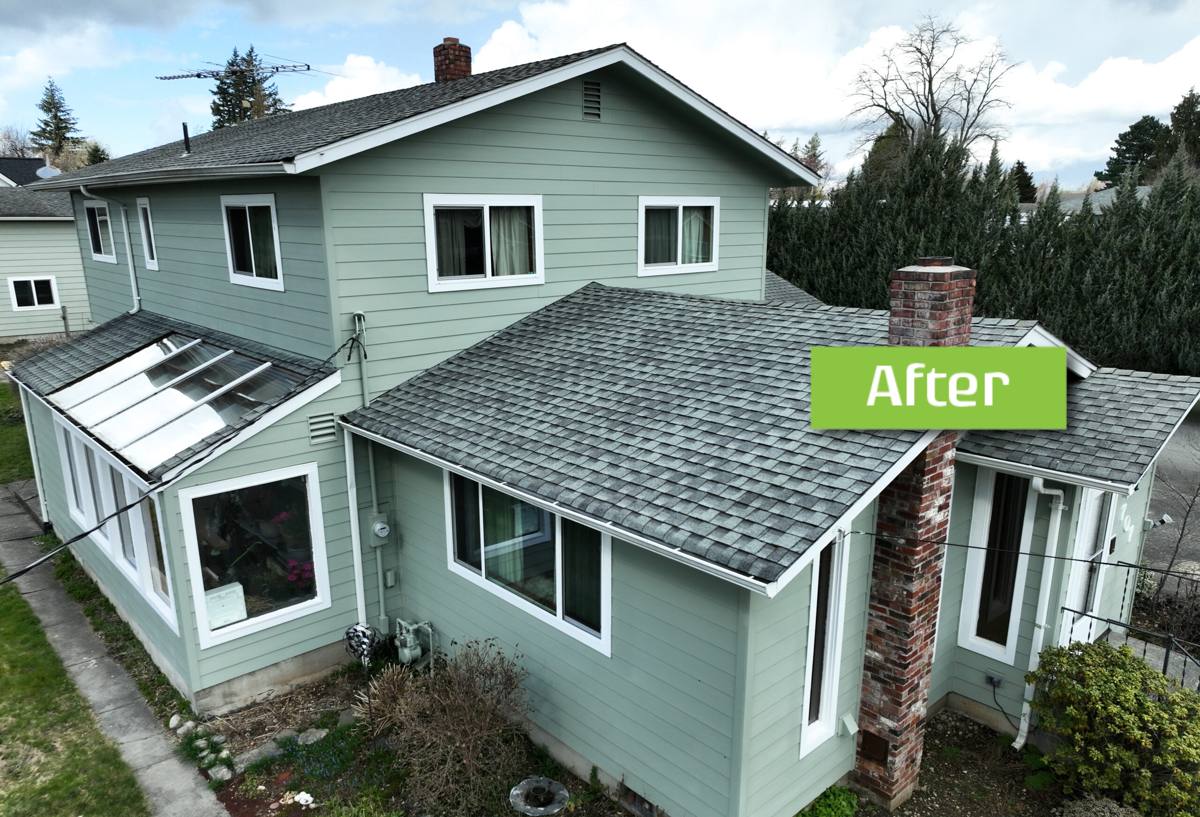
This page covers what a new roof installation should actually include for a Cordata home — the materials that hold up, the details that get skipped on rushed jobs, and what to expect from a crew that installs roofs in this specific area on a regular basis.
What Bellingham's Climate Does to a Roof Over Time
Salt Air and Metal Fasteners
Cordata isn't right on the water, but Bellingham's proximity to the Salish Sea means salt-bearing air reaches inland neighborhoods more than most homeowners expect. Over years, that air accelerates corrosion on exposed fasteners, flashing, and any metal components that aren't rated for coastal-adjacent exposure. A roof built with the wrong fastener or flashing metal can develop rust streaks and weakened attachment points well before the shingles themselves wear out.
Driving Rain and Wind-Driven Water
Rain in this region doesn't always fall straight down. Wind off the water can drive it sideways under poorly lapped shingles, around loose flashing, and into any gap in the underlayment. This is the single biggest reason a "good enough" install fails early here — the roof looks fine in light rain and only reveals its weak points during a real windstorm.
Moss and Prolonged Moisture
Shaded roof sections, especially those facing north or sitting under mature trees common in Cordata's residential streets, stay damp longer after every rain. That extended moisture window is exactly what moss needs to establish. Once moss takes hold, it lifts shingle edges, holds water against the roof deck, and speeds up granule loss — turning a cosmetic nuisance into a structural one if left unaddressed for years.
Signs a Cordata Home Needs Full Replacement, Not Another Patch
- Granules collecting heavily in gutters or at downspout outlets
- Shingles that are cupping, curling, or cracking, especially on south- and west-facing slopes
- Soft spots or visible sagging when viewed from the ground or attic
- Daylight visible through the roof deck from inside the attic
- Repeated leaks around the same penetration or valley despite past repairs
- A roof past 20–25 years old (typical asphalt shingle lifespan) with no major upgrades since install
- Persistent moss growth that returns within a season of cleaning
One or two of these can often be addressed with a repair. Several at once usually means the roofing system as a whole — deck, underlayment, and covering — has reached the end of its useful life together, and patching individual symptoms stops being cost-effective.
What a Correct New Roof Installation Actually Involves
Full Tear-Off and Deck Inspection
Installing new shingles over an old layer hides problems instead of fixing them. A proper job removes the old roofing down to the deck, so the plywood or sheathing underneath can actually be inspected for soft spots, rot, or delamination — issues that are common on older Bellingham homes where past moisture exposure went unnoticed. Any compromised decking gets replaced before anything new goes down.
Underlayment Built for Wet Climates
The underlayment is the roof's real waterproofing layer — the shingles are the first line of defense, but the underlayment is what keeps the home dry if wind or ice ever gets past them. In a climate like this one, we treat synthetic underlayment and self-adhering ice-and-water barrier at eaves, valleys, and penetrations as standard, not upgrades. Skipping or skimping here is one of the most common causes of slow leaks that don't show up for a year or two.
Ventilation That Matches the Attic
A roof that can't breathe traps moisture in the attic, which condenses, soaks insulation, and can rot the deck from underneath — regardless of how good the shingles are. Balanced intake and exhaust ventilation, sized to the specific attic, is part of a correct install, not an afterthought.
Flashing and Valley Details
Most roof leaks trace back to flashing — around chimneys, skylights, dormers, and wall intersections — or to valleys where two roof planes meet and water volume concentrates. These areas get new, correctly lapped flashing as part of the job, sized and shaped for the actual roof geometry rather than reused or generic pieces.
Choosing Roofing Materials for Cordata's Conditions
| Material | Performance in Local Climate | Typical Lifespan | Trade-Offs |
|---|---|---|---|
| Architectural asphalt shingle | Strong wind and rain resistance when properly installed; wide algae-resistant options | 25–30 years | Best value; needs periodic moss/debris maintenance on shaded slopes |
| Standard 3-tab asphalt shingle | Adequate but less wind and impact resistance than architectural | 15–20 years | Lower upfront cost, shorter service life in wet, windy conditions |
| Standing seam metal | Excellent water shedding and moss resistance; needs coastal-rated coatings and fasteners | 40–60+ years | Higher upfront cost; requires correct fastener spec to avoid corrosion near the sound |
| Cedar shake | Traditional look but high moisture sensitivity in a climate this wet | 20–30 years with diligent maintenance | Higher maintenance burden; more prone to moss and rot without regular upkeep |
We install and stand behind architectural asphalt and metal roofing as our primary recommendations for this area because both handle sustained moisture and wind-driven rain well when the installation details are done right. Cedar shake can still be appropriate for homeowners who want the look and are committed to the maintenance it demands in a climate this wet — we'll walk through that trade-off honestly if it's on the table.
Our Installation Process
- On-site inspection and estimate. We look at the existing roof, attic ventilation, and any problem areas before quoting anything.
- Material selection. We walk through options based on your budget, the roof's exposure (sun, shade, wind direction), and how long you want the roof to last.
- Scheduling around weather windows. Roofing in Bellingham means planning around rain, not ignoring it. We schedule tear-off and dry-in to minimize the home's exposure to open weather.
- Tear-off, deck repair, and dry-in. Old roofing comes off, the deck gets inspected and repaired as needed, and underlayment goes down the same day whenever possible.
- Installation of new roofing, flashing, and ventilation. Shingles or metal panels, flashing, and ventilation components are installed to manufacturer specs and local code.
- Final walkthrough and cleanup. We inspect the finished roof with you, clean the site including magnetic sweep for stray fasteners, and go over warranty paperwork.
Permits and Local Code Considerations
New roof installations in Bellingham and unincorporated Whatcom County areas typically require a permit, along with inspection at key stages of the work. Requirements can vary depending on the scope of work and whether structural repairs are involved. We handle the permitting process as part of the job so homeowners aren't left navigating it alone, and we build the schedule around required inspections rather than trying to work around them.
Why a Crew That Regularly Works Cordata Makes a Difference
A roofing crew that works this specific area regularly already knows which slopes tend to hold moss, which street-facing exposures take the worst of the driving rain, and which older homes in the neighborhood are more likely to have outdated decking or ventilation. That familiarity shows up in fewer surprises during tear-off and a roof system that's specified correctly the first time, rather than adjusted after a callback. It also means a shorter response time if something needs a look after the job is done.
Keeping a New Roof Performing After Installation
- Clear moss and debris from shaded slopes at least once a year, more often under trees
- Keep gutters and downspouts clear so water isn't backing up under the roof edge
- Check attic ventilation isn't blocked by insulation after any attic work
- Have flashing around chimneys, skylights, and vents visually checked every couple of years
- Trim back overhanging branches that keep sections of the roof shaded and damp
- Address any small leak or stain immediately rather than waiting for it to spread
A well-installed roof in this climate should need minimal attention beyond this kind of basic upkeep — if a roof is demanding constant repairs in its first several years, that's usually a sign of an installation issue, not bad luck.
If your Cordata home's roof is showing its age or you're planning ahead, we're happy to take a look and give you a straightforward assessment — no pressure, no upsell. Use the form below to request a free estimate.