 Bellingham Roofing
 Windows Built for Lynden's Weather, Not Just the Showroom
Lynden sits inland from Bellingham Bay, but it doesn't escape the marine weather pattern that defines Whatcom County. The same low-pressure systems that push rain sideways off the Strait of Georgia carry moisture-laden air well past the coastline, and Lynden's flat, open farmland does little to slow it down. Add in a long moss season that keeps roofs, siding, and window trim damp for months at a time, and you have a climate that is genuinely hard on window assemblies — especially the seals, sills, and flashing details that keep water on the outside of the wall where it belongs.
A window that looks fine on installation day can fail quietly for years before anyone notices. Wood trim absorbs moisture behind the casing, insulation gets damp and stops working, and by the time staining or soft spots show up on the interior, the sheathing behind the window has often been wet for a season or more. Correct installation is what prevents that chain of events from starting in the first place.
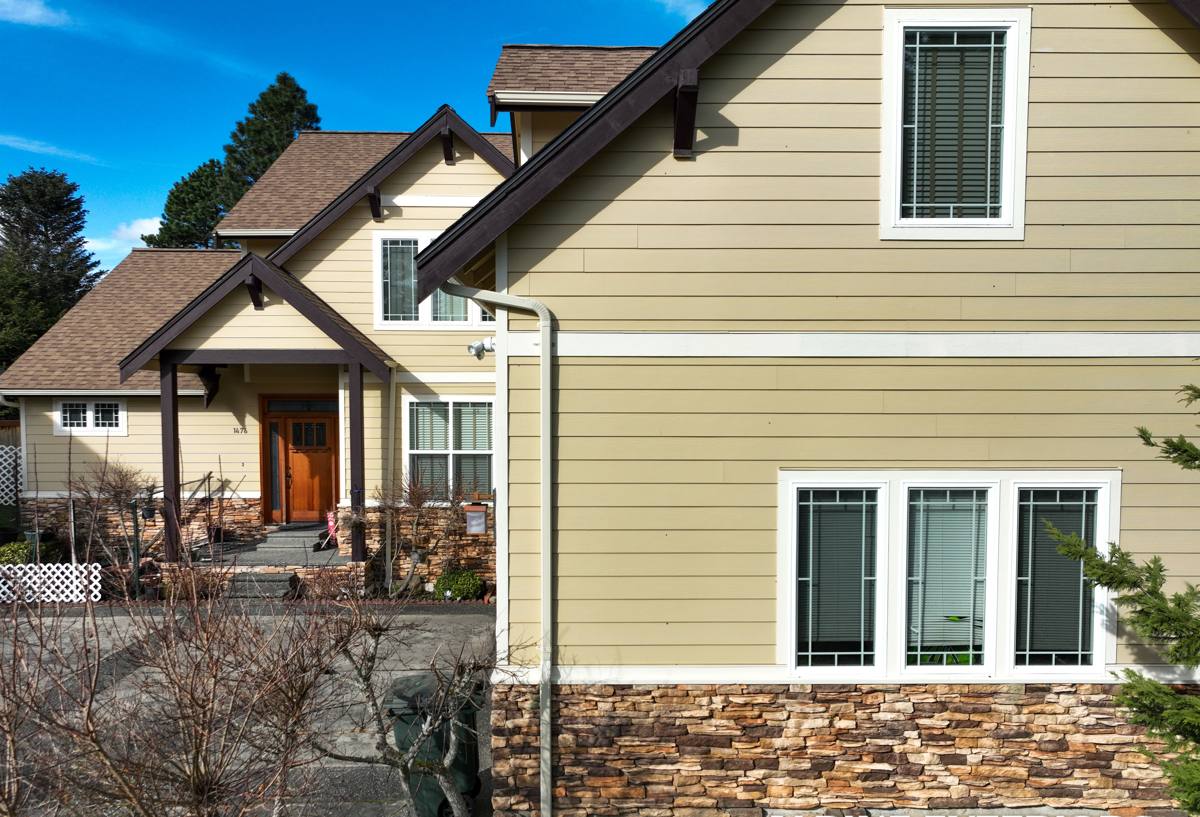
What Correct Window Installation Actually Involves
Setting a window into a rough opening is the easy part. The work that actually determines whether the window performs for the next 20-plus years happens in the details most homeowners never see once the trim goes back on.
Flashing and Water Management
Every window opening needs to be flashed so that any water that gets past the exterior cladding — and in this climate, some always will — drains back out instead of pooling at the sill. That means a sloped sill pan, properly lapped flashing tape at the jambs and head, and integration with the home's existing weather-resistive barrier so water sheds downward and outward, not into the wall cavity.
Air Sealing and Insulation
Gaps around the window frame are a source of both drafts and moisture intrusion. We use low-expansion foam or backer rod and sealant rather than packing fiberglass insulation into the gap, since fiberglass alone does nothing to stop air movement and can actually hold moisture against the frame.
Fastening and Structural Fit
Windows need to be shimmed plumb, level, and square before they're fastened — an out-of-square frame puts stress on the sash and hardware, which shows up a few years later as windows that are hard to open, don't latch cleanly, or let in drafts along one edge.
Interior and Exterior Sealant
The right sealant in the right place, left to cure properly before trim goes back on, keeps both the interior finish work clean and the exterior weatherproofing intact.
How Moss Season and Driving Rain Show Up in Window Problems
Whatcom County's extended damp season doesn't just affect roofs. Around windows, it tends to show up in a few specific, recognizable ways:
- Soft or discolored wood trim at the bottom corners of the window, where water collects longest
- Moss or dark green growth on horizontal trim ledges and window sills that stay shaded
- Fogging or moisture between panes on double-pane units, meaning the seal has failed
- Musty smell or visible staining on interior drywall below or beside a window
- Drafts that seem worse during wind-driven rain than on calm days, pointing to a flashing or sealant gap
- Paint that bubbles or peels specifically around the window frame while the rest of the wall holds up fine
None of these are cosmetic issues on their own — they're symptoms of water finding a path it shouldn't have. Catching them early, before they reach the framing, is almost always the difference between a straightforward window swap and a repair that involves cutting into the wall.
Our Window Installation Process in Lynden
1. On-Site Assessment
We start by looking at the actual condition of each opening — not just the window itself, but the trim, sill, and siding around it. If there's hidden rot or water damage, we'd rather find it before the new window goes in than after.
2. Product Selection Based on the Opening, Not a Sales Quota
We walk homeowners through frame material, glass package, and style options based on what the home actually needs — sun exposure, wall orientation, and how exposed that particular wall is to wind-driven rain all factor in.
3. Removal and Opening Prep
Old windows come out carefully to avoid damaging the surrounding siding and trim, and we inspect and repair the sheathing and framing underneath before anything new goes in.
4. Installation to Manufacturer and Code Flashing Standards
Sill pan, flashing tape, the window unit itself, air sealing, and exterior sealant — done in the correct order, every time, regardless of whether it's one window or a whole-house replacement.
5. Final Check and Cleanup
We test operation, check for square and level, confirm weatherproofing at every seam, and clean up the site before we call the job done.
Choosing the Right Window Type for a Lynden Home
There's no single "best" window — the right choice depends on the wall, the exposure, and how the homeowner uses the space. Here's how the common options stack up for this climate:
| Frame Material | Moisture Performance | Maintenance | Typical Lifespan |
|---|---|---|---|
| Vinyl | Good — won't rot, minimal upkeep | Low; occasional cleaning | 20-30 years |
| Fiberglass | Excellent — dimensionally stable in temperature and moisture swings | Low | 30+ years |
| Wood (clad exterior) | Good if properly clad and flashed; interior wood still needs care | Moderate — periodic finish maintenance | 20-30 years with upkeep |
| Aluminum | Poor thermal performance, prone to condensation in our humidity | Low, but condensation issues persist | 20-25 years |
For most Lynden homes, vinyl and fiberglass frames hold up best against the region's humidity and temperature swings without demanding much upkeep. Wood-clad windows can still be a good fit on homes where the interior wood look matters, as long as the cladding and flashing details are done right.
Glass Packages Worth Considering
Double-pane, low-E glass is the practical baseline for this climate — it cuts heat loss and reduces condensation risk on cold, damp mornings. Triple-pane adds further insulation value and is worth discussing for north-facing walls or rooms that run cold, though it comes at a higher upfront cost that doesn't make sense for every opening.
What Drives the Cost of a Window Installation Project
| Factor | Why It Matters |
|---|---|
| Number of openings | Per-window cost drops somewhat with larger projects due to shared setup and labor |
| Frame material and glass package | Fiberglass and triple-pane cost more upfront than standard vinyl double-pane |
| Condition of the existing opening | Hidden rot or damaged sheathing adds repair time before the new window can go in |
| Window size and configuration | Large picture windows, bays, or custom shapes take more time and often cost more per square foot |
| Siding and trim work required | Matching existing trim or siding around the new opening adds labor |
We give straightforward, itemized estimates so homeowners can see exactly what they're paying for — no vague lump-sum numbers that make it hard to compare or budget.
Why Hiring a Crew That Already Works in Lynden Matters
Window installation done wrong doesn't usually fail on day one — it fails two, five, or ten years later, quietly, behind the trim. A crew that regularly works in Lynden and greater Whatcom County already knows how this climate behaves: how far wind-driven rain travels under eaves, how long moss holds moisture against a north-facing wall, and which flashing details actually hold up through a full winter here rather than just on paper.
That local experience shows up in small decisions — how a sill pan is sloped, how much lap a flashing tape needs at a corner, whether a particular wall orientation calls for extra attention. Those are the details that separate a window installation that lasts two decades from one that starts leaking behind the drywall in year three.
Keeping New Windows Performing Long-Term
Even a correctly installed window benefits from a little regular attention in this climate:
- Clear moss and debris off horizontal sills and nearby trim before it holds moisture against the surface
- Check exterior sealant annually for cracking or gaps, especially after a hard winter
- Keep gutters and downspouts clear so water isn't sheeting down the wall above window openings
- Operate and lubricate hardware periodically so seals and mechanisms don't seize up from disuse
- Watch for condensation between panes — it's an early, reliable sign a seal has failed
If you're dealing with drafty, foggy, or failing windows on a Lynden home — or planning ahead for a full replacement — we're happy to take a look and walk you through honest options. Use the form below to request a free, no-pressure estimate.