 Bellingham Roofing
 Roofing in Lynden: What the Climate Actually Does to a Roof
Lynden sits in the low, flat farmland of northern Whatcom County, close enough to the Canadian border and the Salish Sea that the same marine weather systems that soak Bellingham roll through here too. That means long stretches of steady, low-intensity rain from fall through spring, periodic wind-driven storms that push water sideways under poorly sealed shingle edges, and a shade-and-moisture combination that keeps roof surfaces damp for days at a time. Even homes well away from the water still see salt-influenced marine air move inland with the prevailing westerlies, which adds to the corrosion load on exposed metal flashing, fasteners, and vent caps over the years.
Put those factors together — persistent moisture, wind, and mild temperatures that never really dry a roof out — and you get the two things that define roofing work in this part of the county: shingle systems that have to shed water correctly under sustained exposure, and a moss season that runs far longer than most homeowners expect. A roof built for a drier climate, or installed without attention to local conditions, tends to show its weaknesses here faster than it would somewhere with a hard, dry summer.
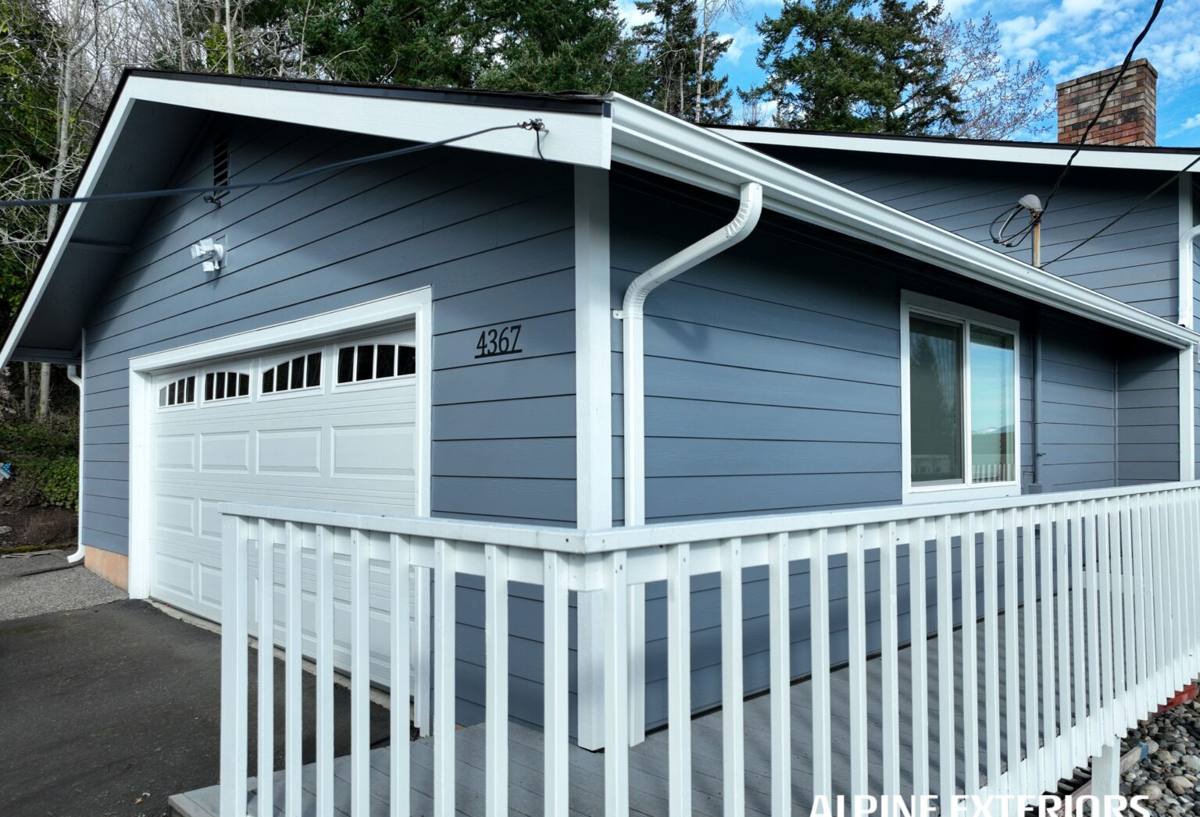
What a Correct Asphalt Shingle Roof Needs in This Climate
Asphalt shingle roofing is still the right choice for most Lynden homes — it's cost-effective, well understood, and holds up well when it's installed with this climate in mind. The shingles themselves are only part of the system. What actually determines how a roof performs here is everything underneath and around them.
Underlayment and Water Barriers
A synthetic or felt underlayment rated for prolonged moisture exposure matters more here than in drier regions, since the roof deck can stay damp under the shingles for extended periods during winter. We pay particular attention to eave and valley protection — self-adhering ice-and-water membrane at the eaves, valleys, and around penetrations gives the deck a real barrier against wind-driven rain that works its way past the shingle line, which is one of the most common causes of hidden leaks we find on older Lynden roofs.
Ventilation
Proper intake and exhaust ventilation keeps the underside of the roof deck dry and close to outdoor temperature, which does two things: it reduces condensation buildup in the attic during cold, wet months, and it slows the freeze-thaw and moisture cycling that shortens shingle life. A roof that looks fine from the ground can still be losing years of service life to a ventilation problem nobody can see.
Flashing and Fasteners
Step flashing at walls, counter-flashing at chimneys, and properly lapped valley flashing are where most leaks actually start — not in the field of the shingles. We use corrosion-resistant flashing and fasteners appropriate for the marine-influenced air in this area, since standard hardware can start showing rust and reduced holding power years before the shingles themselves are due for replacement.
Moss and Algae Resistance
Shade from mature trees, north-facing slopes, and the sheer number of damp days each year make Lynden a prime environment for moss and algae growth on roofing. Many manufacturers now offer shingles with algae-resistant granules, and we factor moss exposure into how we detail valleys, ridge caps, and any low-slope transitions where organic debris and moisture tend to collect.
Signs Your Lynden Roof Needs Attention
Because damage often develops slowly under a layer of moss or moisture, it helps to know what to actually look for before a small problem becomes a ceiling stain. Here's a practical checklist for homeowners in this area:
- Visible moss growth on the roof surface, especially on the north or shaded slopes
- Granules collecting in gutters or at the base of downspouts
- Curling, cupping, or cracked shingle edges
- Dark streaking or algae staining across the roof field
- Soft or sagging spots when the roof deck is walked or inspected
- Daylight visible through the attic roof boards
- Rusted, lifted, or missing flashing around chimneys, skylights, or vent pipes
- Water stains on interior ceilings or in the attic after heavy rain
- Shingles missing entirely after a windstorm
Any one of these on its own isn't necessarily an emergency, but they're worth a professional look — especially moss and granule loss, which are early warning signs long before a roof actually starts leaking.
Choosing the Right Asphalt Shingle for Lynden Conditions
Not every asphalt shingle product is a good match for this climate, and the right choice often comes down to balancing upfront cost against how the roof will actually perform through repeated wet seasons.
| Shingle Type | Typical Lifespan | Best Fit For | Considerations Here |
|---|---|---|---|
| 3-Tab Asphalt | 15–20 years | Budget-conscious replacements, simpler rooflines | Lower wind resistance; can show wear faster under sustained rain exposure |
| Architectural (Dimensional) | 25–30 years | Most Lynden homes; standard recommendation | Heavier profile sheds water better, stronger wind rating, better moss/algae-resistant options available |
| Impact-Rated Architectural | 25–30+ years | Homes wanting added durability and possible insurance discounts | Higher upfront cost; worth asking your insurer about premium credits |
For most Lynden properties, we recommend a mid-to-upper-grade architectural shingle with algae-resistant granules. The added cost over 3-tab is modest relative to the roof's lifetime, and the heavier profile and better wind rating matter more here than in a drier, calmer climate.
Our Installation Process
A correct asphalt shingle roof is built in the right order, with each layer doing its job before the next one goes on. Here's how we approach a Lynden installation:
- Inspection and scope. We check the existing deck, flashing, and ventilation before quoting, so the estimate reflects the actual condition of your roof rather than a generic price.
- Tear-off and deck check. Old roofing is removed and the deck is inspected for soft spots, rot, or delamination caused by long-term moisture exposure — common on older homes in this area.
- Deck repair. Any compromised sheathing is replaced before new roofing goes down; skipping this step is one of the most common shortcuts that leads to early failure.
- Underlayment and water barriers. Ice-and-water membrane goes down at eaves, valleys, and penetrations, followed by underlayment rated for this climate's moisture exposure.
- Flashing. New step, counter, and valley flashing is installed using corrosion-resistant materials suited to marine-influenced air.
- Shingle installation. Shingles are installed to manufacturer spec for nailing pattern and exposure, which matters directly for wind resistance and warranty validity.
- Ventilation check. Intake and exhaust ventilation is verified or upgraded so the roof system works as a whole, not just at the surface.
- Final walkthrough. We review the completed roof with you, including care and moss-prevention guidance specific to your property's shade and slope.
Roof Replacement vs. Repair: What Actually Drives the Decision
Not every roof issue in Lynden means a full replacement. The right call depends on a few honest factors:
| Factor | Leans Toward Repair | Leans Toward Replacement |
|---|---|---|
| Age of roof | Under 12–15 years | Nearing or past manufacturer's rated lifespan |
| Extent of damage | Localized — one slope, valley, or flashing point | Widespread granule loss, curling, or multiple leak points |
| Deck condition | Solid sheathing under the affected area | Soft, rotted, or delaminated decking found during inspection |
| Moss/algae history | First occurrence, treatable | Recurring, embedded growth affecting shingle integrity |
| Ventilation | Adequate, no attic moisture issues | Poor ventilation contributing to premature aging roof-wide |
We'll always tell you honestly which side of that line your roof falls on. A targeted repair is the right answer more often than people assume, but it only makes sense when the underlying deck and flashing are still sound.
Living With Moss Season: Ongoing Care
Even a correctly installed roof benefits from some seasonal attention in a climate like this. A few habits go a long way toward getting the full service life out of your shingles:
- Keep gutters clear so water isn't backing up under the eave line during heavy rain
- Trim back overhanging branches to reduce shade and debris buildup on the roof surface
- Have moss physically removed rather than left to spread — scraping and low-pressure treatment protects granules better than pressure washing
- Schedule a roof check after major windstorms, especially for older or older-flashing roofs
- Watch for granule buildup in gutters as an early indicator of shingle wear
Why Hiring a Crew That Already Works Lynden Matters
A roofing crew that regularly works Whatcom County properties isn't guessing at what this climate does to a roof — they've seen it directly, repair after repair, on homes with the same shade patterns, the same wind exposure, and the same year-round moisture. That experience shows up in the small decisions that aren't always spelled out on an estimate: which valleys get extra membrane, where moss tends to establish first, which flashing details actually hold up through a Whatcom County winter versus one built for a milder or drier region. It also means a crew that's easy to reach if a question comes up after the job is done, rather than a company working far outside its normal service area.
If you're weighing a repair, a full replacement, or just want an honest read on where your roof currently stands, we're happy to take a look. A free, no-pressure estimate through the form below is the easiest way to get a straight answer specific to your home.