 Bellingham Roofing
 Building Decks That Actually Hold Up in Cordata
Cordata sits far enough from downtown Bellingham to feel a little more wooded and residential, but it gets the same weather the rest of Whatcom County does: long stretches of drizzle, driving rain off the Sound, and a moss season that can run from October through May in shaded yards. A deck built with generic, one-size-fits-all methods will show its age here faster than it should — soft spots at the ledger board, green streaks on the boards by the second winter, fasteners that bleed rust into the wood grain. A deck built for this climate, with the right framing details and the right materials, will still look good and feel solid a decade in.
This page covers what actually matters when building a deck in Cordata specifically: the material tradeoffs that make sense here, the structural details that keep moisture from becoming rot, and what our process looks like from first estimate to final walkthrough.
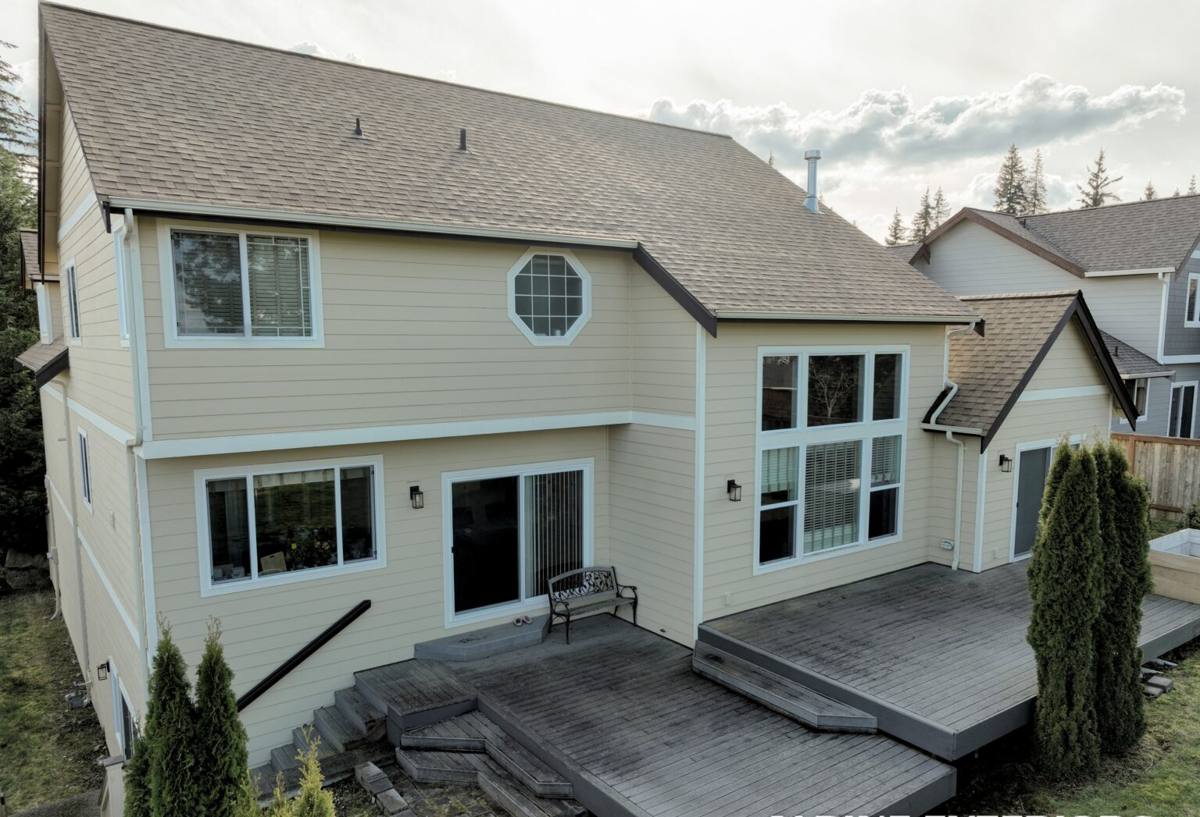
What Makes Deck Building in Cordata Different
Cordata's mix of mature tree cover, close-set lots, and clay-heavy soil common to this part of Whatcom County creates a few recurring conditions we plan around on every project:
- Shaded yards under fir and cedar canopy that stay damp longer after rain, which accelerates moss and algae growth on horizontal surfaces
- Clay and glacial till soils that hold water near the surface, which affects how footings are sized and how deep they need to go
- Salt-tinged air carried inland from Bellingham Bay, which is hard on unprotected fasteners and lower-grade metal hardware
- Neighborhood lots close enough together that drainage and runoff from a new deck can affect a neighbor's yard if it isn't planned properly
None of these conditions make a deck impossible to build well — they just mean the details can't be an afterthought. A deck design that would be fine in a dry inland climate needs adjustments here.
Choosing the Right Decking Material for This Climate
There's no single "best" decking material — there's a best material for a given budget, sun exposure, and maintenance appetite. Here's how the common options actually perform under Whatcom County's wet, mossy conditions:
| Material | How It Handles Our Climate | Maintenance | Typical Lifespan |
|---|---|---|---|
| Pressure-treated fir/hem-fir | Affordable, but absorbs moisture readily in shaded areas; needs sealing to resist moss and checking | Annual cleaning, re-sealing every 2-3 years | 10-15 years with upkeep |
| Cedar | Naturally rot- and insect-resistant, ages to a silver-gray patina, but still needs periodic cleaning in shaded, damp spots | Cleaning and oil/stain every 1-2 years to keep original color, less if you let it gray naturally | 15-20 years with upkeep |
| Composite (capped) | Sheds moisture at the surface and resists moss staining far better than wood; no splintering or checking | Periodic rinsing; no sealing or staining | 25-30 year warranty ranges, typical |
| PVC/vinyl decking | Fully moisture-proof surface, best resistance to mold and algae growth of the group | Occasional rinsing | Long warranty ranges, brand-dependent |
We don't push one material on every homeowner. A cedar deck under open sky with good sun exposure can look great for many years with modest upkeep. That same board profile tucked under a canopy of fir trees in a shaded Cordata backyard will hold moisture and grow moss noticeably faster — that's a case where composite or PVC earns back its higher upfront cost in reduced maintenance. We'll walk your specific lot and sun exposure with you before recommending a direction, rather than defaulting to whatever's easiest to install.
A Note on Hardware
Whatever decking material you choose, the fasteners and structural hardware matter just as much. In a marine-influenced climate like ours, we spec stainless steel or high-grade coated fasteners rated for ground contact and coastal exposure — standard interior-grade screws and joist hangers will rust and stain the deck surface well before the wood itself gives out.
Framing and Footings: Where Most Deck Problems Actually Start
Almost every deck failure we get called out to inspect traces back to the framing, not the visible decking boards. Two details matter most in Cordata's soil and rainfall conditions:
Footing Depth and Soil Contact
Whatcom County's clay-heavy soils drain slowly, which means footings need to be sized and set deep enough to stay below frost movement and away from standing surface water. We don't guess on footing depth — it's based on the local frost line and verified with the inspector as part of the permit process, not shortcut to save a day of digging.
Ledger Board Attachment and Flashing
The ledger board — where the deck attaches to the house — is the single most common source of hidden rot on decks in wet climates like ours. Without proper flashing, water runs behind the ledger and into the house rim joist, where it can sit unnoticed for years. We flash every ledger connection to shed water away from the structure, not just seal it with caulk, which fails over time and traps moisture rather than keeping it out.
Designing Against Moss and Standing Water
Moss doesn't just make a deck look neglected — on horizontal wood or composite surfaces it holds moisture against the material and makes the deck genuinely slick and unsafe underfoot during Bellingham's wetter months. A few design choices reduce how much moss takes hold in the first place:
- Proper board spacing so water drains through rather than pooling on the surface
- Joist framing pitched slightly to shed water instead of holding it flat
- Under-deck ventilation so the framing can dry out between rain events instead of staying damp continuously
- Keeping decking a few inches clear of siding and landscaping beds so debris and organic matter don't build up against the edges
None of this eliminates the need for occasional cleaning in a shaded, damp climate — but it means the deck dries out between storms instead of staying wet for days, which is what actually drives moss and rot.
Our Deck Building Process
Every Cordata deck project follows the same sequence, whether it's a modest platform off a back door or a larger multi-level deck:
- On-site assessment. We look at sun exposure, tree canopy, existing drainage, and the condition of the house wall where the deck will attach.
- Design and material discussion. We talk through decking material, railing style, and layout based on how you'll actually use the space, not just what looks good in a photo.
- Permit submission. Most new decks and any deck attached to the house require a permit through the local building department — we handle the drawings and submission.
- Footings and framing. Footings are dug to proper depth, framing is set level and pitched correctly, and the ledger is flashed before any decking goes down.
- Decking, railings, and stairs. Boards are installed with the fastening method appropriate to the material, followed by code-compliant railings and stairs where needed.
- Final walkthrough and inspection. We review the finished deck with you and coordinate the final building inspection so everything is signed off and on record.
Permits and Local Code in Bellingham
Most decks attached to a house, and many freestanding decks over a certain height, need a permit in Bellingham and unincorporated Whatcom County. Requirements that come up most often on Cordata projects include guardrails for decks above a certain height off grade, baluster spacing that prevents a small child from passing through, and stair rise/run limits. Skipping the permit process might save a little time upfront, but it creates real problems at resale — unpermitted structural work is a common flag in home inspections and can hold up a sale. We pull permits as a standard part of every deck build rather than treating it as optional.
Maintenance Checklist for Cordata Homeowners
Whatever material your deck is built from, a few habits go a long way in this climate:
- Sweep leaves and needles off the deck surface regularly in fall, especially in shaded yards under tree cover
- Rinse or lightly scrub visible moss or algae buildup before it stains the surface, particularly in corners and under railings
- Check the ledger board area and any spots where the deck meets the house siding once a year for signs of moisture or discoloration
- Reseal wood decking on the schedule appropriate to the product — don't wait until it's visibly gray and dry
- Keep gutters and downspouts near the deck clear so runoff isn't draining directly onto or under the structure
- Trim back overhanging branches where practical to reduce shade and debris buildup on the deck surface
Why Hire a Crew That Already Works in Cordata
A deck built by someone unfamiliar with this specific area tends to make the same avoidable mistakes: footings sized for drier soil, no ledger flashing because it "doesn't rain that much where they're from," or decking material chosen without accounting for how much shade a Cordata lot actually gets under mature trees. Working locally in Bellingham and Whatcom County means we've already seen how different framing and material choices hold up here over years, not just on install day. We know what the local permit process expects, how footing depths are typically reviewed, and which details actually matter once the marine air and moss season set in.
If you're planning a new deck or replacing one that's showing its age, we're happy to take a look at your Cordata property and talk through what makes sense for your yard, your budget, and how you plan to use the space. Reach out for a free, no-pressure estimate using the form below.