 Bellingham Roofing
 Windows Built for Columbia's Climate, Not a Showroom
Columbia is one of Bellingham's older, established neighborhoods, and a lot of the housing stock reflects that — homes built decades ago with original or long-since-replaced windows that were never really matched to what Whatcom County weather does to a house year after year. Window installation here isn't just a measure-and-swap job. It's dealing with salt-laden air off Bellingham Bay, driving rain that comes in sideways during winter storms, and a moss season that keeps everything damp for months at a stretch. A window that's a perfect fit for a dry inland climate can fail early here if it's installed without accounting for all three.
We install windows across Bellingham, but Columbia specifically gets a mix of older single-family homes and updated remodels, which means we're constantly working around both original framing quirks and prior renovation work — sometimes good, sometimes not. Getting a window installation right in this neighborhood means understanding both the house in front of us and the climate it's sitting in.
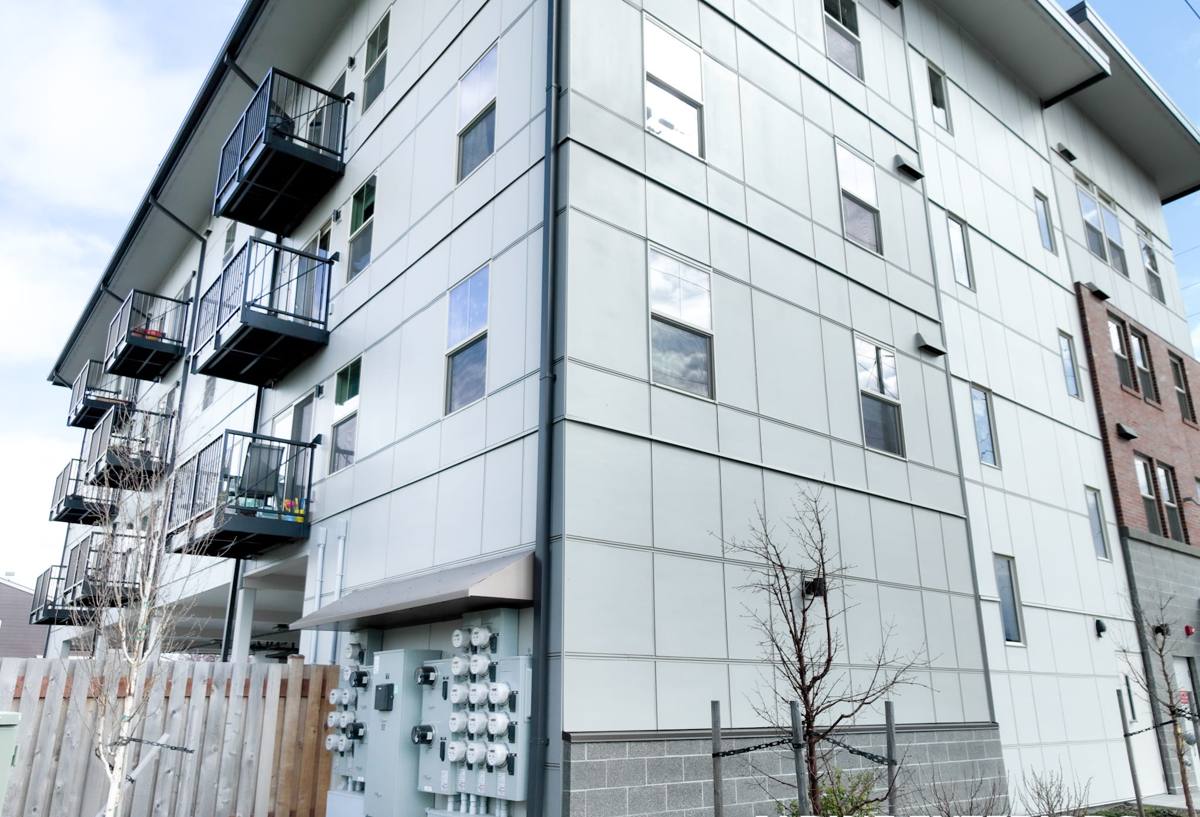
What Salt Air, Rain, and Moss Actually Do to Windows
Salt Air
Bellingham's proximity to the water means airborne salt is a real factor, even a few miles inland. Salt is corrosive to certain metal window components — hinges, cranks, screen frames, and lower-grade hardware — and it accelerates the breakdown of some finishes over time. This is less about the glass and more about the moving parts and fasteners. Cheaper hardware corrodes faster; that's a maintenance and lifespan issue, not a dramatic failure, but it adds up over 10-15 years.
Driving Rain
Whatcom County doesn't just get a lot of rain — it gets wind-driven rain that hits windows at an angle, especially on west and south-facing walls. This is where installation quality matters more than the window itself. A window with excellent factory specs can still leak if the flashing, sill pan, and sealant details around it aren't done correctly. Most water intrusion problems we find in older Bellingham homes trace back to how the window was originally installed, not a defect in the window unit itself.
Moss and Prolonged Moisture
Our long wet season keeps wood trim, sills, and siding damp for extended stretches, which is exactly the environment moss and rot organisms need. Wood window sills and exterior trim that don't get enough sun exposure — common on shaded lots and north-facing walls in Columbia — are especially prone to slow moisture damage that isn't obvious until the wood is already soft.
Signs a Columbia Home Needs New Windows
- Soft, discolored, or crumbling wood at the sill or lower frame corners
- Visible daylight or a noticeable draft around the sash when the window is closed
- Condensation forming between panes on double-glazed units (a sign the seal has failed)
- Windows that are difficult to open, close, or lock — often a sign the frame has shifted or swollen
- Peeling paint or bubbling finish concentrated near the window, which can point to trapped moisture
- A noticeable rise in heating costs with no other explanation
- Visible gaps between the window frame and siding or trim
Any one of these on its own isn't necessarily an emergency, but a few together usually mean the window and its surrounding flashing have been letting moisture in for a while.
What a Correct Window Installation Actually Involves
It's Mostly About What You Don't See
The window itself is maybe a third of the job. The rest is what happens around it: removing the old unit without tearing up more siding or trim than necessary, inspecting the framing and sill for hidden rot before anything new goes in, and building a proper drainage plane so any water that does get past the exterior finish has somewhere to go besides your wall cavity.
Flashing and Weatherproofing
This is the step that separates a window that lasts 20+ years in this climate from one that causes a callback in three. A correctly flashed window has a sloped sill pan, properly lapped flashing tape integrated with the house wrap (not just caulked over the top), and sealant used in the right places — not as a substitute for proper flashing, but as a backup layer. Given how much wind-driven rain this region sees, we don't treat this step as optional or skip it to save time.
Frame Material Considerations
There's no single "best" frame material — it depends on the house, the budget, and how much upkeep the homeowner wants to take on. Here's how the common options generally compare for a coastal Whatcom County climate:
| Frame Material | Moisture/Salt Air Behavior | Maintenance | Typical Fit |
|---|---|---|---|
| Vinyl | Won't rot or corrode; performs well near salt air | Low — occasional cleaning | Most replacement projects; budget-conscious remodels |
| Fiberglass | Very stable in wet, temperature-swinging conditions | Low | Larger openings, higher-end remodels |
| Wood (clad exterior) | Good if the exterior cladding is intact; interior wood look | Moderate — exterior clad protects the wood, but seals need monitoring | Historic or period-style homes wanting a wood interior |
| Solid wood | Most vulnerable to our wet season without diligent upkeep | High — regular painting/sealing required | Historic restorations where authenticity matters more than low maintenance |
| Aluminum | Conducts cold, prone to condensation; hardware can corrode near salt air | Moderate | Less common for residential; occasionally used for specific architectural styles |
For most Columbia homes, we steer people toward vinyl or fiberglass because they hold up well against the combination of moisture and salt air with the least ongoing upkeep — not because other materials are bad, but because they demand more maintenance than most homeowners realistically keep up with in this climate.
Our Installation Process
- On-site assessment — We look at the existing windows, framing condition, and any signs of past water intrusion before quoting anything.
- Measurement and product selection — Exact measurements, plus a conversation about frame material, glass package, and style based on the house and your priorities (energy performance, maintenance, budget, appearance).
- Removal — Old units come out carefully, with attention to minimizing damage to surrounding siding and trim.
- Framing inspection — Any rot, soft wood, or prior water damage found at this stage gets addressed before the new window goes in. Installing a new window over a compromised frame just hides a problem, it doesn't fix it.
- Flashing and sealing — Sill pan, flashing tape, and sealant applied correctly and in the right order, integrated with the existing water-resistive barrier.
- Installation and shimming — The window is set plumb, level, and square, then shimmed and fastened per manufacturer specs — this affects both how it operates and how well it seals long-term.
- Interior and exterior finish work — Trim, caulking, and insulation around the frame completed to match the existing finish.
- Final walkthrough — We test operation, check the seal, and walk the job with you before calling it done.
Choosing the Right Style for an Older Columbia Home
A lot of homes in this neighborhood have real character — original trim profiles, period-appropriate proportions, and details worth preserving even when the windows themselves need replacing. Double-hung windows tend to suit older Bellingham homes well both aesthetically and functionally, since they've historically been the standard here and offer flexible ventilation. Casement windows can offer a tighter seal against driving rain because the sash compresses against the frame when closed rather than sliding, which is worth considering on exposed, weather-facing walls. Sliders and picture windows have their place too, particularly for updated openings or rooms where the view matters more than ventilation. We'll talk through what fits the house rather than pushing one style across the board.
Cost Factors to Expect
| Factor | Why It Matters |
|---|---|
| Number and size of windows | Larger openings and full-house replacements scale cost accordingly |
| Frame material | Vinyl is typically the most budget-friendly; fiberglass and wood-clad cost more |
| Glass package | Double vs. triple pane, low-E coatings, and gas fill affect both price and energy performance |
| Condition of existing framing | Rot or water damage found during removal adds repair work before the new window goes in |
| Retrofit vs. full-frame replacement | Full-frame replacement (removing down to the studs) costs more but is sometimes necessary if the old frame is compromised |
| Trim and siding work | Matching existing exterior trim, especially on older homes, can add labor |
We give honest, itemized estimates — no inflated "before" pricing designed to make a discount look bigger than it is. If your framing turns out to need repair once we open things up, we'll tell you before proceeding, not after.
Why Hiring a Crew That Already Works in Columbia Matters
Windows here have to hold up against a specific combination of conditions — salt air, sideways rain, and a moss season that stretches across much of the year. A crew that mostly works drier inland climates may not default to the flashing details and material choices that actually matter in Whatcom County. We work throughout Bellingham, including Columbia regularly, so we're familiar with the kind of older framing, trim profiles, and prior renovation work common in this part of town, and we know which shortcuts cause callbacks in this specific climate. That's less about any one dramatic difference and more about a lot of small details done right, consistently.
Keeping New Windows Performing Long-Term
- Rinse salt residue off exterior frames and hardware periodically, especially after storms
- Clear moss and debris from sills and tracks before it holds moisture against the frame
- Check exterior caulking annually and reseal any cracked or separated joints
- Operate hardware (locks, cranks, hinges) a few times a season to keep it from seizing
- Watch for condensation between panes, which signals a failed seal worth addressing early
- Keep gutters and downspouts clear so roof runoff isn't sheeting down over window heads
If you're noticing drafts, soft trim, or windows that just aren't performing the way they should, we're happy to take a look and give you a straightforward, no-pressure estimate — just fill out the form below.