 Bellingham Roofing
 New-Construction Windows Built for Columbia's Marine Climate
Columbia sits close enough to Bellingham Bay that homes here take a different kind of weather beating than houses further inland in Whatcom County. Salt-laden air off the water, wind-driven rain that comes in sideways rather than straight down, and a long stretch of gray, wet months every year all work against a window system that isn't installed correctly the first time. When a home is going up from the studs out, new-construction windows are one of the few chances a builder gets to do the water management right before the walls are closed up. Get it right and the windows will perform for decades. Get it wrong and the problems don't show up until there's already rot, mold, or stained drywall behind the trim.
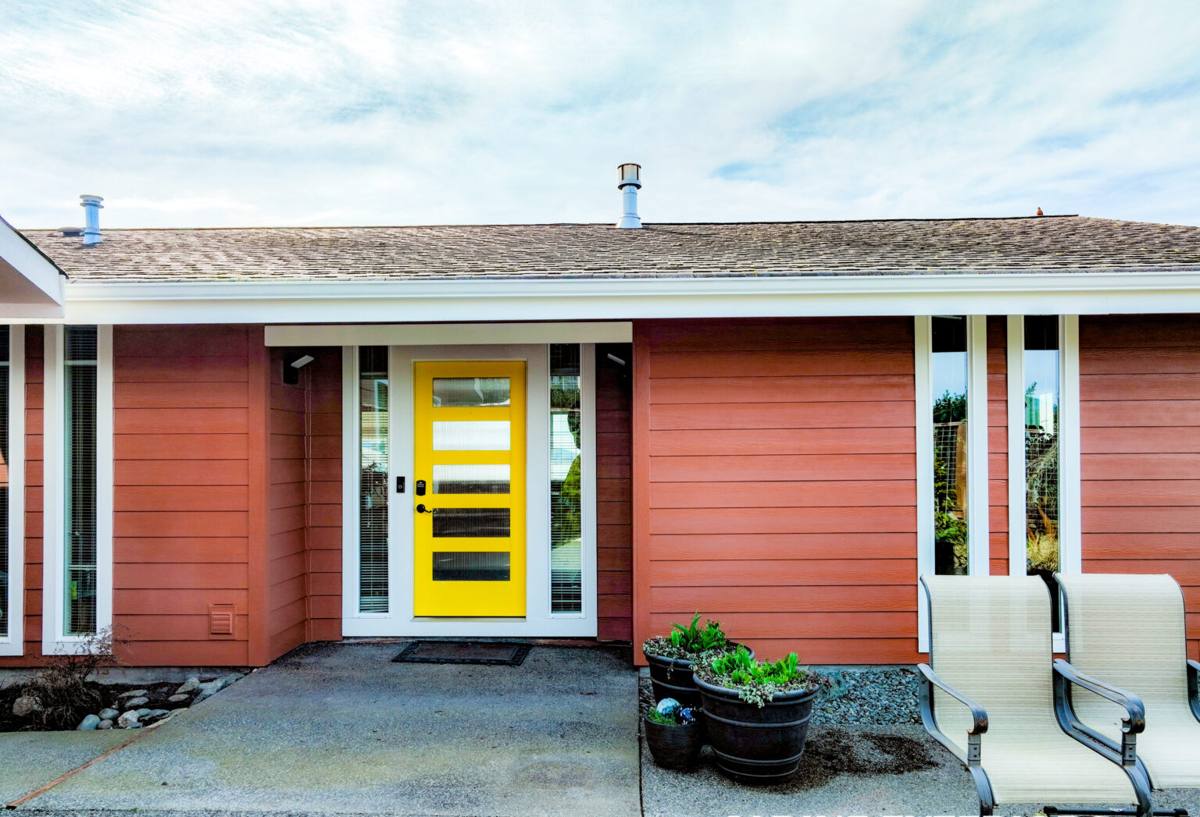
What the Local Climate Actually Does to a Window Opening
New-construction window work in Columbia has to account for three things that are part of everyday life this close to the water:
- Salt air: Coastal moisture accelerates corrosion on unprotected fasteners, hardware, and metal flashing. Materials that would hold up fine twenty miles inland can pit or streak faster near the bay.
- Driving rain: Wind off the water pushes rain horizontally against the building envelope instead of letting it run straight down the siding. That means water pressure gets tested at every seam, nail fin, and sill — not just the top of the opening.
- Moss and prolonged dampness: Whatcom County's wet season stretches for months at a time. Anything that traps moisture against wood — a poorly lapped weather-resistive barrier, a sill without back-slope, a sealant joint that was never really watertight — has a long window of opportunity to do damage before things dry out again.
None of this means new-construction windows in Columbia require exotic products. It means the installation sequence and detailing matter more here than they would in a drier, more sheltered part of the state.
What a Correct New-Construction Window Install Involves
Flashing and Water Management Come First
The window itself is rarely where a leak starts. Most window-related water intrusion traces back to how the rough opening was flashed before the window ever went in. A correct sequence follows a shingle-style layering so that water draining down the wall is always directed over the layer below it, never behind it:
- Sill pan flashing installed with back-dam and end dams, sloped to drain outward, before the window is set.
- Window installed per the manufacturer's fastening schedule — not "close enough," since fastener placement affects both structural performance and the seal around the nail fin.
- Side and head flashing integrated with the weather-resistive barrier in proper shingle-lap order, so the WRB laps over the flashing, not under it.
- Head flashing with a drip cap detail that kicks water away from the top of the frame instead of letting it run down the face of the window.
- Sealant used only where the manufacturer's instructions call for it — sealant is a backup layer, not the primary defense, and over-sealing an opening can trap moisture that has nowhere to escape.
This sequence is the same whether the home is a block from the water or further out, but on Columbia builds we treat every lap and termination as if it will be tested by wind-driven rain within the first year — because it usually will be.
Choosing Windows for This Climate
Frame material, glazing, and hardware all interact with salt air and moisture differently. There isn't one "correct" window for every new-construction project — the right choice depends on the home's design, budget, and how exposed the elevation is to weather off the bay.
| Frame Material | How It Handles This Climate | Trade-Offs to Know |
|---|---|---|
| Vinyl | Won't rot or corrode from salt air; consistent performance at a lower cost | Can't be repainted if the color needs to change later; performance varies a lot by manufacturer quality |
| Fiberglass | Very stable in temperature swings and coastal moisture; holds paint well over time | Higher upfront cost than vinyl |
| Aluminum-clad wood | Attractive interior wood finish with a weather-resistant exterior shell | Cladding seams and corners need careful sealing to keep moisture from reaching the wood underneath |
| Bare wood | Classic look, often used for historic-style new builds | Requires the most diligent maintenance in a wet, salt-air climate — not our first recommendation for exposed elevations |
For elevations that take the brunt of wind and rain off the bay, we lean toward frame materials and hardware finishes with proven corrosion resistance. For more sheltered sides of the house, homeowners have more flexibility to prioritize appearance or budget.
Glazing and Energy Performance
Whatcom County's climate is mild compared to inland Washington, but the persistent damp and gray months still make glazing choice worth getting right. Dual-pane, low-E glass is the standard for new construction in this area, and argon-filled units are a reasonable upgrade for rooms with large window areas or northern exposure that never gets direct sun. What matters as much as the glass spec is the installation: a well-insulated frame with a poor seal against the rough opening will underperform a modest window that was flashed and sealed correctly.
Our Process for Columbia New-Construction Projects
New-construction window work happens on a schedule set by the framing and siding trades, so timing and coordination matter as much as the install itself.
- Plan review: We look at window schedules and rough opening sizes before framing is finalized, so there are no surprises when it's time to set windows.
- Rough opening check: Every opening is verified for square, level, and correct dimension before flashing begins — a slightly out-of-square opening causes problems that show up years later.
- Sill and flashing installation: Sill pans and flashing go in following the sequence above, matched to the specific WRB and siding system being used on the home.
- Window setting: Units are set, shimmed, and fastened to manufacturer specification, then checked for proper reveal and operation before final fastening.
- Integration with the building envelope: We coordinate with the siding and WRB installer (whether that's our own crew or the builder's) so head flashing and drainage planes tie together correctly rather than being installed by two trades that never compared notes.
- Final check: Every window is operated, checked for square and smooth function, and inspected for gaps or sealant issues before we consider the opening finished.
Common Mistakes We See in New-Construction Window Installs
Most window failures we get called out to diagnose on newer homes trace back to a handful of repeat issues:
- Sill pans skipped or installed without a back-dam, so water that gets past the window has nowhere to go but into the wall.
- WRB lapped the wrong direction over the flashing, which turns a drainage plane into a water trap.
- Reliance on sealant alone instead of proper flashing sequence — caulk is not a substitute for correct water shedding.
- Fasteners or hardware not rated for coastal exposure, leading to premature corrosion and streaking.
- Openings framed slightly out of square, forcing the window to be racked to fit — which stresses the frame and compromises the seal.
Every one of these is preventable with the right sequence and a crew that treats flashing as the most important part of the job, not an afterthought before trim goes on.
Why a Crew That Already Works in Columbia Matters
New-construction window installation isn't a product you buy so much as a sequence you execute correctly, in the right order, on a schedule that depends on other trades. A crew that already works in Columbia and the surrounding Bellingham area knows how exposed a given elevation typically is to weather off the bay, understands how Whatcom County's wet season affects install timing and material staging, and has already worked through the coordination points with local framers and siding crews. That local familiarity shows up in fewer callbacks and fewer surprises once the home is closed in and the windows can't easily be accessed again.
After Installation: What Columbia Homeowners Should Watch For
Correctly installed new-construction windows are low-maintenance, but Bellingham's climate still calls for a little seasonal attention:
- Check weep holes at the base of window frames each fall to make sure they aren't blocked by debris or moss buildup.
- Keep gutters and downspouts clear so water isn't sheeting down over window heads during heavy rain.
- Inspect exterior sealant joints yearly — sealant is a maintenance item, not a lifetime feature, and it should be renewed if it cracks or pulls away.
- Watch for moss or algae staining near window trim, which can signal a spot that stays damp longer than it should.
None of this replaces correct installation — it's just the light upkeep that keeps a well-installed window system performing the way it's supposed to for the long run.
Get an Estimate for Your Columbia New-Construction Project
If you're building in Columbia or elsewhere near Bellingham and want windows installed correctly the first time, we're happy to walk through your plans and give you a straightforward, no-pressure estimate. Use the form below to get started.