 Bellingham Roofing
 Board & Batten in a Neighborhood That Sees Real Weather
Silver Beach homeowners already know their houses take more of a beating than a spec sheet suggests. Bellingham sits where salt air off the bay, driving rain off the Strait, and a long, damp moss season all overlap for most of the year. Vertical siding profiles like board and batten look sharp on the coastal and craftsman-style homes common in this part of Whatcom County, but that same vertical grain and exposed seam pattern is less forgiving of a sloppy install than a standard lap siding job. Get the flashing, spacing, and fastening wrong and you won't find out for a year or two — by then moisture has already worked its way behind the boards.
This page is about that one job, done right, in this one neighborhood: what board and batten needs to hold up here, what a correct installation actually involves, and why we install it exclusively in James Hardie fiber cement rather than the vinyl or engineered-wood versions you'll also find on the market.
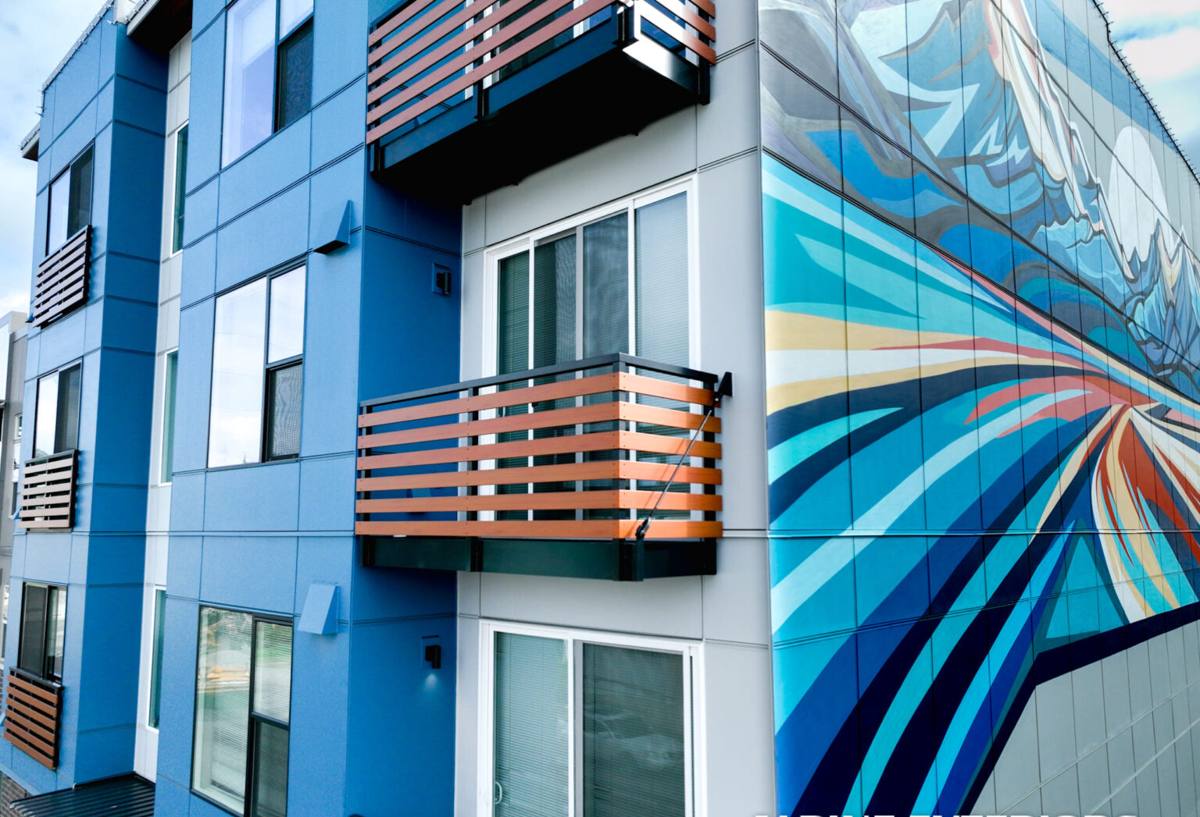
What Board & Batten Actually Is
Board and batten is a vertical siding style built from wide flat boards installed edge to edge (or with a small gap) and then covered at each seam with a narrower strip — the batten. The result is a strong vertical shadow line that reads as more architectural and less production-builder than horizontal lap siding. It shows up a lot on farmhouse, craftsman, and modern coastal exteriors, and it pairs well with the mix of housing styles you see around Silver Beach, from older remodels to newer builds.
The style is simple to describe and deceptively easy to get wrong. Every seam in a board and batten wall is a place where water can find its way behind the cladding if the underlying system isn't built correctly. That's true of any siding, but vertical profiles concentrate more seams per square foot than a lap pattern does, which raises the stakes on the details most homeowners never see once the job is finished.
Why It Suits This Neighborhood
- Vertical lines complement the steeper rooflines and mixed architectural styles common in Bellingham's older and newer neighborhoods alike.
- A clean board and batten facade reads as a deliberate design choice on accent walls, gables, and dormers, not just a whole-house cladding.
- Distinct board widths and reveal spacing let a home stand apart on a street where most siding is horizontal lap.
Why We Only Install It in James Hardie Fiber Cement
You can buy board and batten in vinyl, in engineered wood, and in fiber cement. We install James Hardie exclusively, and in a climate like this one, the material choice matters more on a vertical profile than almost anywhere else on the house.
Vinyl board and batten is lightweight and inexpensive, but it's a thin extruded product that expands and contracts noticeably with temperature swings — movement that stresses the very seams a vertical siding pattern depends on. Engineered wood products can perform well when kept dry and maintained on schedule, but they rely on a factory-applied wood strand substrate that is vulnerable if any edge, cut, or seam is left exposed to standing moisture. In a place where boards can stay damp for days at a stretch during the wet season, that's a maintenance commitment we're not willing to gamble a customer's siding budget on.
James Hardie fiber cement doesn't expand and contract the way vinyl does, it isn't a wood-based substrate that can swell if water gets behind it, and it carries a factory-applied ColorPlus finish engineered to hold color and resist the kind of moss and mildew staining that shows up fast on shaded, damp walls. It's also non-combustible, which matters more every wildfire season in the Pacific Northwest. It costs more than vinyl up front. We think that's the honest trade-off, and it's why it's the only board and batten product we put our name behind.
What a Correct Installation Involves
Board and batten looks simple from the curb — boards, then battens over the seams. What actually keeps a wall dry happens underneath, in layers nobody sees again after the crew leaves.
The Layers That Matter
- Weather-resistant barrier: A continuous, properly lapped water-resistive barrier behind the siding, with every penetration (outlets, hose bibs, light fixtures) properly flashed before a single board goes up.
- Rainscreen gap: A drainage gap between the barrier and the siding lets any moisture that does get past the cladding drain and dry out instead of sitting against the wall sheathing — important on vertical profiles that see more direct, wind-driven rain than horizontal lap.
- Flashing at every horizontal transition: Window and door heads, roof-to-wall intersections, and any point where a horizontal trim board meets vertical siding need step or Z-flashing, not just caulk.
- Correct fastening: Hardie board and batten has specific fastener placement, spacing, and penetration requirements. Fastening through the wrong layer or missing the framing undermines the whole system, batten or no batten.
- Proper board and batten reveal: Consistent spacing and expansion clearance at the boards, following manufacturer specs, so the wall isn't fighting itself as the wood framing behind it moves seasonally.
None of this is unusual or exotic — it's the manufacturer's published installation standard. The problem is that skipping steps doesn't show up on install day. It shows up two or three winters later as staining, soft spots, or paint failure at the seams, usually right when it's most expensive to fix.
Common Mistakes We See on Vertical Siding Jobs
| Mistake | Why It's a Problem Here |
|---|---|
| Caulk used in place of proper flashing | Caulk fails long before the siding does; once it cracks, driving rain has a direct path behind the wall |
| No rainscreen gap | Trapped moisture sits against sheathing longer in a climate with extended damp stretches, feeding rot and mold |
| Boards installed tight with no expansion clearance | Seasonal movement pushes joints apart or buckles boards over a few years |
| Fasteners driven into the wrong layer | Weakens hold and can create a moisture entry point at every miss |
| Battens hiding a rushed or unflashed seam underneath | Looks fine at handoff, fails invisibly behind the batten strip |
Material Comparison for Board & Batten Siding
| Factor | Vinyl Board & Batten | Engineered Wood | James Hardie Fiber Cement |
|---|---|---|---|
| Moisture behavior | Resists water itself but seams and channels can trap it | Vulnerable if edges/cuts stay wet | Doesn't swell or rot from moisture exposure |
| Moss & algae resistance on shaded walls | Textured surface can hold organic growth | Wood-based substrate is a food source for mold/mildew | ColorPlus finish resists staining; smooth profile sheds moss more easily |
| Movement with temperature swings | Noticeable expansion/contraction | Moderate | Minimal, engineered for dimensional stability |
| Fire rating | Combustible | Combustible | Non-combustible |
| Maintenance | Low, but seams degrade over time | Requires disciplined repainting/caulking schedule | Repaint interval measured in many years with ColorPlus finish |
How the Job Runs, Start to Finish
Every board and batten job in Silver Beach starts with a walk of the exterior — not just measuring the wall, but reading the site. Which elevations get the most direct rain. Where tree cover keeps a wall shaded and slow to dry. Where old trim, flashing, or a prior remodel might already be letting water in behind the existing siding. That inspection shapes the plan before any material gets ordered.
From there, the sequence is straightforward: remove and dispose of the old siding, inspect and repair any damaged sheathing found underneath, install a continuous water-resistive barrier and rainscreen system, flash every window, door, and roofline transition, then install the Hardie boards and battens to manufacturer spacing and fastening specs. We prime and finish cut edges on site per Hardie's requirements, since factory ColorPlus finish only protects the face and factory edges — field cuts need to be sealed the same day.
We clean up daily and walk the finished job with the homeowner before calling it done, so nothing gets left for you to notice on your own a week later.
Living With Silver Beach's Climate After Installation
Correctly installed Hardie board and batten is a low-maintenance siding, not a no-maintenance one. In a climate that runs damp much of the year, a little seasonal attention goes a long way:
- Rinse siding periodically to keep moss and mildew from getting a foothold, especially on shaded or north-facing walls.
- Keep gutters clear so overflow doesn't run down the siding face or pool at the base of a wall.
- Trim back vegetation and tree limbs that keep a section of wall shaded and slow to dry after rain.
- Have caulking at trim and penetrations checked every few years — caulk is a maintenance item even on siding that itself doesn't need much.
None of that is unique to board and batten, but the vertical seam pattern means neglect shows up sooner than it would on lap siding, so it's worth staying on top of.
Why Hiring a Crew That Already Works This Neighborhood Matters
Board and batten done wrong doesn't fail on install day — it fails quietly, behind the wall, over a couple of winters. A crew that already works Silver Beach and the wider Bellingham area knows how this specific climate treats a wall: which elevations take the worst of the driving rain, how fast moss establishes on a shaded gable, and how salt-laden marine air affects fasteners and finishes over time. That's not something a crew unfamiliar with Whatcom County weather patterns picks up on the first job. It shows in the flashing details, the rainscreen execution, and the fastening — the parts of the job that don't show up in a photo but decide whether the siding is still doing its job in ten years.
What to Ask Before You Hire
- Do you install a rainscreen gap behind board and batten, or fasten it directly to the barrier?
- How do you flash window and door heads under vertical siding specifically?
- Are you a certified James Hardie installer, and do you follow their published fastening and spacing specs?
- Can you walk me through how you handle field-cut edges and prime them the same day?
- What does your warranty cover on labor, separate from the manufacturer's material warranty?
If a contractor can't answer those clearly, that's worth noting before they're on your roofline with a nail gun.
If you're weighing board and batten for a home in Silver Beach, we're glad to take a look and walk the exterior with you. The estimate is free, there's no pressure attached to it, and you'll get a straight answer about what your walls actually need — just fill out the form below to get started.