 Bellingham Roofing
 Windows Built for Birchwood's Coastal Climate
Birchwood sits close enough to Bellingham Bay and the surrounding waterways that homes here deal with a different set of pressures than houses further inland in Whatcom County. Salt-laden air corrodes hardware and fasteners faster than dry-climate specs assume. Driving rain, pushed sideways by wind off the water, tests every seam around a window frame. And the long gray stretch of moss season — roughly October through April here — keeps siding, trim, and sills damp for months at a stretch. Windows that were installed to a national average spec, rather than a Pacific Northwest coastal spec, tend to show their age early: soft trim, fogged glass, and drafts that no amount of caulk can fix.
Replacing windows correctly in this neighborhood isn't about picking a nicer-looking unit. It's about getting the water management, the sealing, and the material choices right for a house that spends most of the year wet on the outside and needs to stay dry on the inside.
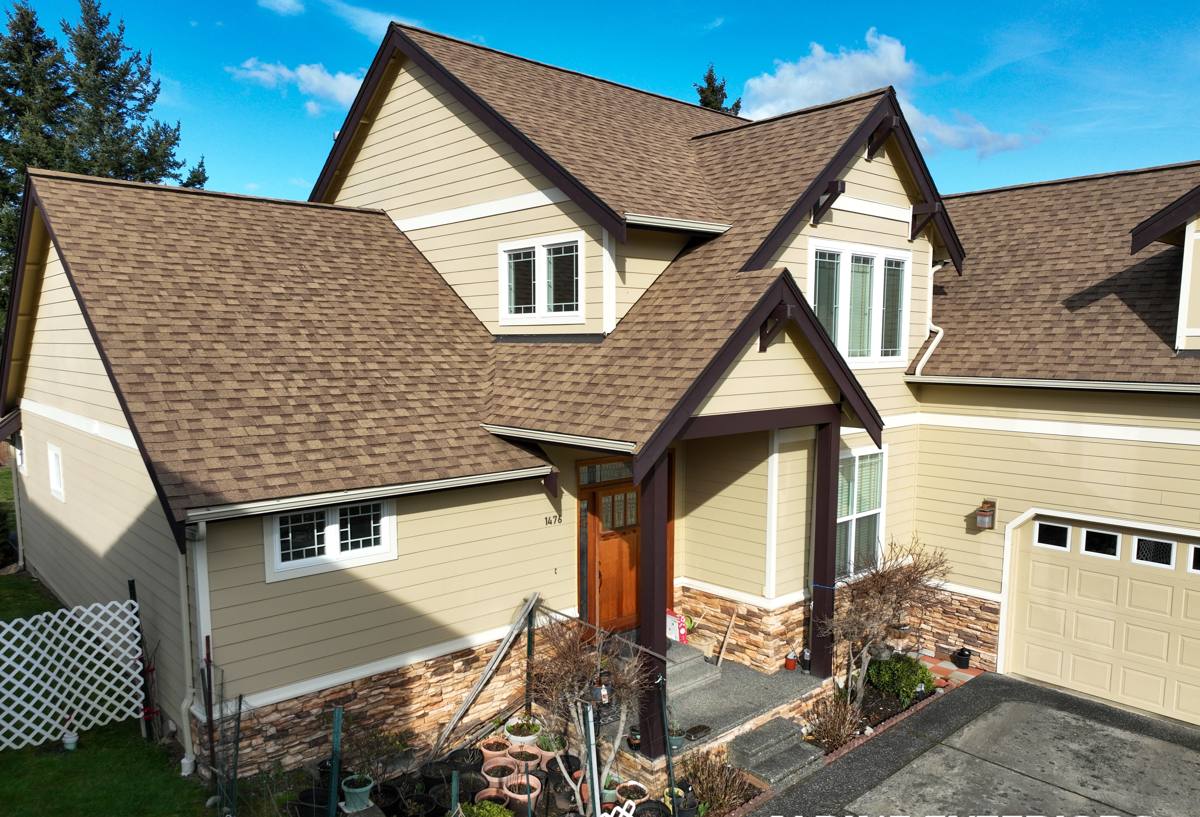
Signs Your Windows Are Failing, Not Just Aging
Some window problems are cosmetic. Others are structural warnings that moisture is already working its way into the wall. Knowing the difference matters before you decide between a repair and a full replacement.
- Fogging or a milky haze between the panes — the seal on the insulated glass unit has failed and moisture is trapped inside
- Soft, spongy, or discolored wood trim or sill, especially on the sides facing prevailing wind and rain
- Visible gaps, cracked caulk, or daylight around the frame when you look closely from inside
- A noticeable draft near the window even with it fully latched
- Difficulty opening, closing, or locking — frames swell and warp as they absorb moisture over multiple wet seasons
- Rising heating bills without a clear cause, especially in rooms with older single-pane or early double-pane windows
- Green or black staining on the exterior trim below the window — often a sign water is exiting somewhere it shouldn't be
If you're only seeing one or two of these on an otherwise sound window, a repair may buy you a few more years. If you're seeing several, or if the staining and softness point to water already inside the wall cavity, replacement is usually the more honest recommendation — and the cheaper one in the long run compared to letting rot spread into framing.
What a Correct Installation Actually Involves
The window unit itself is only part of the job. Most window failures we see in this area trace back to installation shortcuts, not a bad product. A correct install treats the window as one piece of a continuous water-management system that includes the wall, the siding, and the flashing around it.
Flashing and Water Management
Every opening needs a sill pan to catch and direct out any water that gets past the exterior cladding, plus properly lapped flashing tape at the sides and head so water sheds outward and downward, never behind the housewrap. In a climate with as much wind-driven rain as Bellingham gets, skipping or rushing this step is the single most common cause of hidden rot behind window trim.
Air Sealing and Insulation
The gap between the window frame and the rough opening needs to be sealed with a flexible, low-expansion foam or backer rod and sealant — not packed tight with standard can foam, which can bow thin vinyl frames out of square. Interior and exterior sealant beads both matter: one manages air leakage, the other manages bulk water.
Done right, a window install is boring to describe and invisible once the trim goes back on. That's the goal — nothing dramatic, just water and air staying where they're supposed to.
Full-Frame vs. Insert Replacement: Which Fits Your Home
Not every Birchwood home needs the same approach. The right method depends on the condition of the existing frame and sill, not just personal preference.
| Factor | Insert (Pocket) Replacement | Full-Frame Replacement |
|---|---|---|
| Best for | Sound existing frame and sill, no rot | Water damage, rot, or out-of-square openings |
| Exterior trim | Usually left in place | Removed and often replaced |
| Ability to inspect sill/flashing | Limited — hidden until problems surface | Full visibility during install |
| Typical timeline per window | Faster, less disruption | Longer, more involved |
| When we recommend it | Frame tested sound, budget-conscious update | Any sign of moisture intrusion or old failed flashing |
We won't push a full-frame job on a window that doesn't need it, and we won't recommend an insert over a frame we can't verify is dry and solid. If we can't tell from the outside, we'll say so before we quote the work.
Choosing Window Materials and Glass for This Climate
Frame material and glass package both affect how a window holds up to salt air, condensation, and the long wet season. There's no single "best" answer for every house — it depends on sun exposure, wind exposure, and how the rest of the home's exterior is built.
| Frame Material | Strengths in This Climate | Trade-offs |
|---|---|---|
| Vinyl | Cost-effective, low maintenance, good weather seal when installed correctly | Can expand/contract with temperature swings; quality varies widely by manufacturer |
| Fiberglass | Very stable dimensionally, holds paint well, strong long-term performance in wet/salt-air conditions | Higher upfront cost than vinyl |
| Wood-clad | Classic look, good insulator | Requires more diligent maintenance of the exterior cladding and any exposed wood joints in a damp climate |
| Aluminum | Strong, slim sightlines | Poor insulator and prone to condensation unless thermally broken — generally not our first choice for this area |
On glass, double-pane with a Low-E coating and argon fill is the practical baseline for Whatcom County. Triple-pane adds meaningful benefit mainly on north-facing or heavily wind-exposed walls, or for homeowners specifically prioritizing sound dampening and maximum efficiency — it's a real upgrade, just not always a necessary one. We'll walk through what makes sense for your specific exposure rather than defaulting to the most expensive option.
Cost Factors for Birchwood Window Replacement
Every home is different, so we don't quote sight-unseen, but the main variables that move the price are consistent:
- Insert versus full-frame replacement, based on the condition found at the sill and framing
- Number and size of openings, including any oversized or specialty shapes
- Frame material and glass package selected
- Extent of trim, siding, or rot repair needed around the opening
- Access — second-story or hard-to-reach openings take more time and equipment
Broadly, homeowners in this area should expect insert replacements to run less per window than full-frame jobs that involve trim and flashing repair. We'll give you an itemized number after a walkthrough, not a vague ballpark that changes once we open the wall.
Our Process, Start to Finish
Assessment and Measurement
We start by inspecting each opening from both inside and outside — checking the sill, the trim, and how water has historically drained around the window. This tells us whether insert or full-frame is the right call before we ever cut a quote.
Installation Day
Openings are protected, old units are removed carefully to expose the rough opening, and any rot or compromised flashing found along the way is flagged before we proceed — no surprises added after the fact. New sill pans, flashing, and sealant go in per manufacturer and building-code standards, then the window, then interior and exterior trim.
Final Check and Cleanup
Every window gets operated, latched, and checked for square and level before we consider the job done. We clean up debris and packaging and walk the finished openings with you.
Why a Crew That Already Works Birchwood Matters
A contractor who works this specific part of Bellingham regularly has already seen how the wind comes off the water into these lots, which sides of a house take the worst of the winter rain, and how moss and moisture behave on the trim and siding common to this neighborhood. That familiarity shows up in small decisions — where to add extra flashing detail, which sill conditions are worth a second look, how to sequence work around the wettest months. It's the difference between a crew following a generic checklist and one that's actually solving for Whatcom County conditions.
If your Birchwood home has windows showing any of the wear signs above, or you're simply ready to stop losing heat and dealing with condensation every winter, we're glad to take a look. Reach out for a free, no-pressure estimate using the form below — we'll assess your specific windows and give you a straight answer on what they actually need.