 Bellingham Roofing
 Why Birch Bay Decks Wear Differently
Birch Bay sits right on the water, and that changes how a deck ages compared to a deck a few miles inland in Bellingham proper. Salt-laden air corrodes fasteners, hinges, and any exposed metal hardware faster than it would in a drier or more sheltered setting. Combine that with the driving rain that comes off the Strait during fall and winter storms, and you get a deck that's fighting moisture intrusion and metal fatigue at the same time. Add in a moss and algae season that, in Whatcom County, can run from October clear through April, and you have three separate stress factors working on the same structure year-round.
None of this means a Birch Bay deck is doomed — it means it needs to be built and repaired with those specific stresses in mind. A repair that would hold up fine in a dry inland climate can fail early here if it doesn't account for salt exposure, standing water, and organic growth. That's the lens we use on every Birch Bay deck repair call.
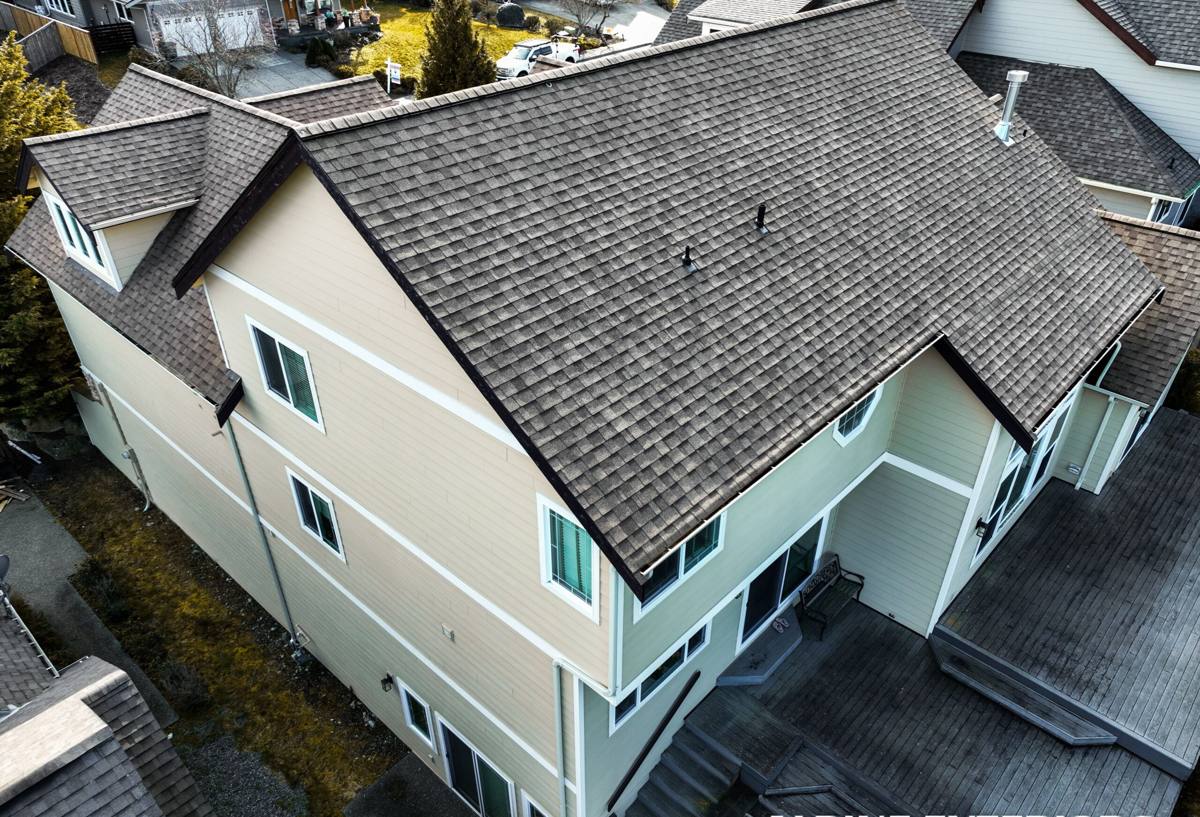
The Most Common Deck Problems We See in Birch Bay
Fastener and Hardware Corrosion
Nails, screws, and joist hangers that aren't rated for coastal exposure start to rust and weaken well before the wood around them shows obvious damage. Once a fastener loses grip, the board it's holding starts to move, which accelerates wear on the surrounding wood and can loosen adjacent connections. This is one of the more deceptive failure points because the deck can still look structurally fine from the surface while the hardware underneath is compromised.
Moss, Algae, and Trapped Moisture
A long wet season means moss and algae get a real foothold on any deck surface that doesn't drain and dry quickly. Beyond being slippery and unsightly, moss holds moisture directly against the wood or composite surface, which speeds up rot in wood decking and can degrade the surface layer of some composite products over time. Areas under furniture, planters, or anything else that blocks airflow and sunlight are usually the first to show it.
Rot at Ledger Boards, Posts, and Stair Stringers
These are the spots where water tends to collect and linger — where the deck meets the house, where posts meet footings, and where stair stringers sit close to grade. Driving rain pushes water into joints and end grain that a vertical rain wouldn't reach as easily, so these connection points are often the first place real structural rot shows up, even when the open deck boards still look serviceable.
Warping, Cupping, and Board Movement
Repeated wet-dry cycling causes wood boards to cup, twist, or pull away from their fasteners. Composite decking is more dimensionally stable but isn't immune — thermal expansion and contraction, combined with moisture at cut ends, can still cause movement over the years, especially on older composite products that predate current manufacturing standards.
What a Correct Deck Repair Actually Involves
A quality deck repair isn't just swapping out the boards that look bad. It starts with an honest structural assessment — checking the ledger board attachment, the condition of posts and footings, joist spacing and hanger condition, and the framing underneath before any decking is touched. In a coastal environment like Birch Bay, we pay particular attention to hidden connection points, since that's usually where the real damage is hiding even when the surface looks fine.
Once we know what we're dealing with, the scope of work generally falls into one of a few categories:
- Spot repair: replacing individual damaged boards, fasteners, or hardware while leaving sound structure in place
- Structural repair: sistering or replacing joists, posts, or ledger connections that have rotted or weakened
- Surface refresh: cleaning, sanding, and refinishing or resealing a deck that's structurally sound but weathered
- Full resurfacing: replacing the decking surface entirely while retaining a sound substructure
For coastal properties, we default to corrosion-resistant, coated or stainless fasteners and hardware on any repair work, even if the original build used standard galvanized hardware. It costs a little more up front but avoids paying for the same repair again in a few years.
Our Process for a Birch Bay Deck Repair
1. On-Site Assessment
We walk the entire deck, not just the area you called about. Damage in one spot is often a symptom of a moisture or drainage issue affecting a wider area, and we'd rather flag that up front than have you deal with a second problem six months later.
2. Honest Scope and Written Estimate
You get a clear breakdown of what needs to be repaired now, what's worth watching, and what's optional. We're not going to recommend a full rebuild when a targeted repair will genuinely hold up, and we're not going to undersell a structural issue to win the job cheap.
3. Repair Work
We match materials and fastening methods to the exposure the deck actually sees — more wind and salt exposure on the water side generally calls for more corrosion-resistant hardware and tighter attention to end-grain sealing than a sheltered, tree-covered deck a few blocks back from the shoreline.
4. Cleanup and Walkthrough
We walk the finished repair with you, point out anything you should keep an eye on going forward, and leave the site clean.
Repair vs. Replace: How We Help You Decide
Not every deck problem needs a full rebuild, and not every deck is worth patching indefinitely. The honest answer depends on a few factors:
| Factor | Leans Toward Repair | Leans Toward Replacement |
|---|---|---|
| Framing/substructure condition | Solid, dry, no rot at connections | Rot at ledger, posts, or multiple joists |
| Age of deck | Under 10-15 years | Original build 20+ years old |
| Extent of damage | Isolated boards or hardware | Widespread surface and structural wear |
| Fastener type used originally | Already coastal-rated hardware | Standard hardware showing heavy corrosion |
| Drainage and grading | Water sheds away from structure | Chronic standing water at posts or ledger |
Every deck is a little different, which is why we look at the actual structure in front of us rather than defaulting to a generic recommendation.
Materials: What Holds Up Best in This Climate
Wood decking, properly maintained and refinished on a regular schedule, can perform well in Birch Bay — but "properly maintained" is doing a lot of work in that sentence given how much moss and moisture pressure the site gets. Composite and capped composite decking generally require less ongoing surface maintenance and resist moisture absorption better, which is why we recommend it for many coastal repairs and replacements, particularly on lower, shadier sections of a deck where wood struggles to dry out between rain events.
That said, composite isn't maintenance-free — it still needs periodic cleaning to keep algae and organic buildup from taking hold, and end cuts still need to be handled correctly during installation to avoid moisture wicking into the core. We'll walk you through the real tradeoffs for your specific deck rather than pushing one material as a universal answer.
Maintenance That Actually Extends the Life of a Repair
A repair is only as good as the upkeep that follows it. In a climate like this, a short seasonal routine makes a real difference:
- Clear leaves, needles, and debris from between boards before they trap moisture
- Wash off moss and algae growth before it gets a foothold, especially in shaded or low-airflow areas
- Check hardware and fasteners for early corrosion once a year, particularly on boards closest to the water side of the property
- Keep gutters and downspouts clear so runoff isn't dumping extra water onto or near the deck structure
- Reseal or refinish wood decking on the schedule the product actually calls for, not just when it starts to look bad
Why a Local Bellingham Crew Matters for This Job
Deck repair in a coastal Whatcom County setting isn't identical to deck repair in a drier part of the state, and a crew that mostly works inland can miss the coastal-specific issues — under-spec hardware, moss trapped in shaded corners, or moisture damage concentrated at the ledger and posts rather than spread evenly across the deck. Working in and around Bellingham and Birch Bay regularly means we're used to diagnosing these patterns quickly instead of treating every deck the same way.
It also means straightforward scheduling and follow-up. If something needs a second look after a repair, or you want a maintenance check before next winter's storms roll in, you're working with a crew that's already familiar with your property and the area's conditions — not starting from scratch with someone new each time.
Get a Straightforward Estimate
If your Birch Bay deck has soft spots, rusted hardware, persistent moss, or just feels less solid than it used to, it's worth having someone take an honest look before small issues turn into structural ones. We offer free, no-pressure estimates — fill out the form below and we'll take it from there.