 Bellingham Roofing
 Siding Replacement for Barkley Homes
Barkley sits close enough to Bellingham Bay and the surrounding wetlands that its homes take on a specific kind of weather stress most inland neighborhoods don't deal with. You get salt-tinged air drifting in off the water, long stretches of driving rain that comes in sideways during a Pacific storm, and a moss season that can run most of the year in shaded, north-facing exposures. Siding here isn't decorative — it's the one layer standing between your framing and a climate that never really dries out. When it starts to fail, the failure is usually slow and hidden until it isn't.
This page is specifically about siding replacement for homes in the Barkley area of Bellingham, in Whatcom County. If you're comparing materials or trying to figure out whether your current siding is actually due for replacement or just needs attention, this is written for that decision.
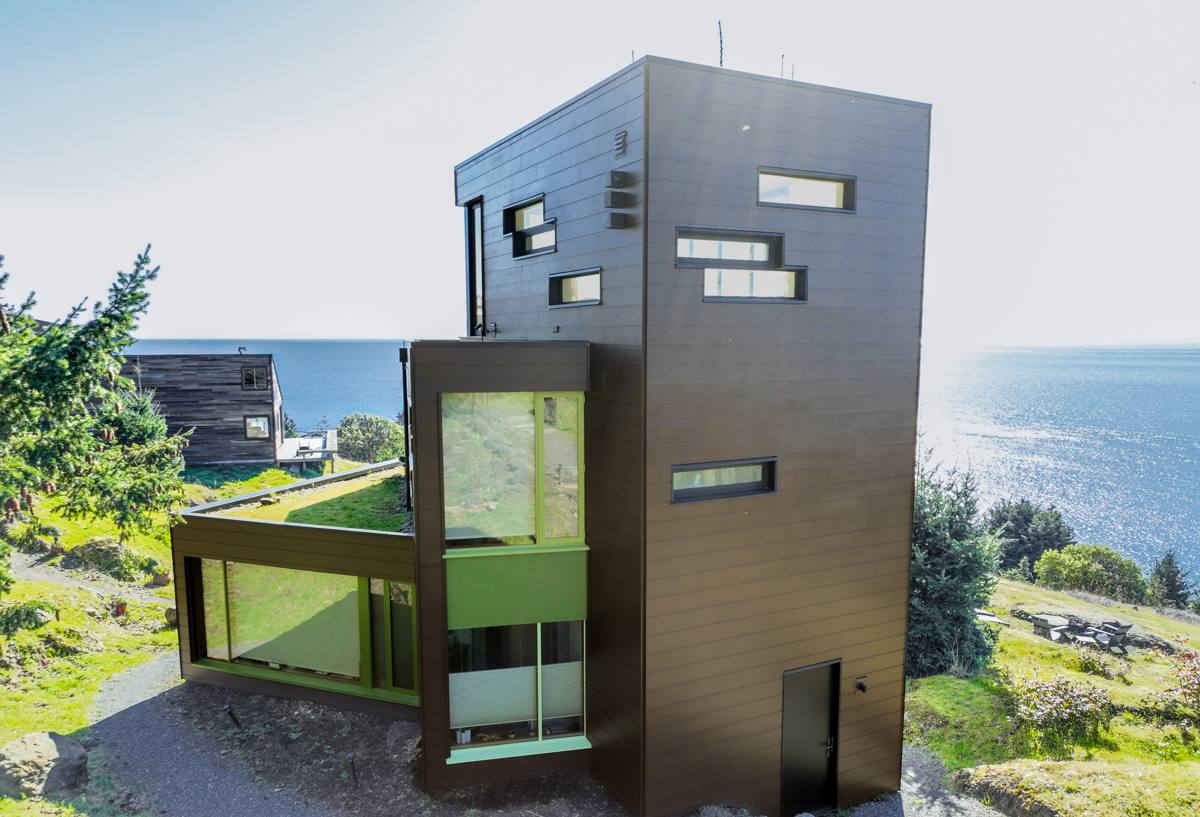
Why Barkley's Climate Is Hard on Siding
A few things stack together in this part of Whatcom County that make siding wear faster than homeowners expect:
- Salt air: Proximity to the bay means airborne salt settles on exterior surfaces. Over years, it accelerates corrosion of fasteners and trim, and it interacts badly with materials that weren't engineered for coastal exposure.
- Driving rain: Wind-driven rain doesn't just wet the surface of your siding — it tests every seam, joint, and piece of flashing. A siding system with weak water management will eventually let moisture behind the cladding, where it does the real damage.
- Moss and prolonged dampness: Shaded lots, mature trees, and our long wet season mean moss and algae get a foothold on siding that stays damp for days at a time. Beyond looking bad, sustained moisture against a wood-based or poorly sealed product is what starts rot.
- Temperature swings: Bellingham's shoulder seasons bring freeze-thaw cycling. Water that's worked its way into a seam or a cut edge can freeze, expand, and widen the very gap that let it in.
None of this is unique to Barkley specifically — it's Whatcom County's marine climate in general — but Barkley's mix of mature landscaping and proximity to the water puts homes here on the harder end of that spectrum.
Signs Your Siding Is Actually Due for Replacement
Not every siding problem means a full tear-off. But there's a point where patching stops making sense and full replacement becomes the honest recommendation. Here's what we look for:
- Soft or spongy spots when you press on the siding, especially near the bottom courses or below windows
- Visible cracking, buckling, or panels pulling away from the wall
- Persistent moss or algae growth that returns within weeks of cleaning
- Peeling or bubbling paint that keeps coming back no matter how often it's repainted
- Rust streaking from fasteners, or fastener heads that have backed out
- Rising interior humidity, musty smells near exterior walls, or unexplained mold near trim
- Visible gaps at seams, corners, or where siding meets windows and doors
If you're seeing more than one or two of these, especially soft spots or interior moisture signs, it's worth having someone look at what's underneath the siding, not just the surface.
What a Correct Siding Replacement Actually Involves
Siding replacement done right is not just swapping old panels for new ones. In a climate like ours, the work that happens before the new siding goes up matters as much as the siding itself.
Tear-off and inspection
Removing the old siding is also when we find out what's really going on — soft sheathing, compromised framing, or moisture trapped behind the old cladding. This is the point where hidden damage gets caught before it's sealed back up behind a fresh wall.
Water-resistive barrier and flashing
A correctly installed weather-resistive barrier, properly lapped and taped, combined with correct flashing at windows, doors, and roof-to-wall intersections, is what actually keeps driving rain out. This layer does more long-term work than the visible siding does.
Ventilation and drainage
Modern siding systems perform best with a drainage plane that lets any incidental moisture escape rather than sit against the wall. In a marine climate with our rain totals, skipping this detail is one of the most common causes of premature siding failure.
Installation to manufacturer spec
Fastener spacing, clearance from grade and roof lines, caulking at the right joints and not others, and proper panel gaps for expansion — these details are exactly where corners get cut on rushed jobs, and exactly where failures start five to ten years later.
Why We Install Only James Hardie Fiber Cement
We've made a deliberate decision not to install vinyl siding, LP SmartSide, primed spruce, cedar, or other fiber cement brands like Cemplank or Allura. That's not a marketing position — it's based on how these products actually perform over time in exposure like Barkley gets.
Vinyl siding can warp, fade, and crack in temperature swings, and its seams are a weak point against driving rain. Wood-based products, including engineered wood siding, are more vulnerable to the sustained dampness and moss pressure that's common on shaded Barkley lots — even with good detailing, they demand more upkeep to stay ahead of moisture. Other fiber cement brands may be reasonable products, but we've standardized on one manufacturer so our crews are deeply familiar with a single system's installation requirements, warranty terms, and finish options, rather than splitting expertise across several.
James Hardie fiber cement is non-combustible, engineered specifically for climate zones like ours (their HZ5 product line is built for the Pacific Northwest's moisture exposure), and comes with a factory-applied ColorPlus finish that resists fading and doesn't require repainting on the same cycle as field-painted siding. It holds up to salt air and sustained dampness better than wood-based alternatives, and it carries a strong transferable warranty when installed to spec — which is why correct installation, not just the material choice, is the part we treat as non-negotiable.
Comparing Siding Materials for a Barkley Home
| Factor | Vinyl | Wood / Engineered Wood | James Hardie Fiber Cement |
|---|---|---|---|
| Moisture resistance in marine climate | Moderate — seams are weak points | Lower — vulnerable to sustained dampness and moss | High — engineered for wet climates (HZ5) |
| Salt air durability | Fades and becomes brittle over time | Requires frequent maintenance to keep ahead of decay | Holds finish and structure well |
| Fire resistance | Combustible | Combustible | Non-combustible |
| Finish longevity | Color fades, cannot be easily repainted | Needs repainting on a regular cycle | Factory ColorPlus finish, long repaint interval |
| Typical maintenance | Occasional cleaning | Regular inspection, caulking, repainting | Periodic cleaning, minimal upkeep when installed correctly |
Our Process for Barkley Siding Replacement Projects
The process itself follows the same disciplined steps everywhere, but working in Barkley regularly means we already know what to expect from the neighborhood's lot conditions, landscaping, and exposure patterns.
- On-site assessment: We walk the exterior, check for soft spots, moisture signs, and existing damage, and talk through what we find with you directly.
- Written estimate: A clear scope covering tear-off, any sheathing repair anticipated, water barrier and flashing work, and the Hardie product line and color you're considering.
- Tear-off and inspection: Old siding comes off, sheathing and framing get inspected, and anything unexpected gets flagged before we move forward.
- Weather barrier and flashing installation: This is the layer that does the real water management work, installed to spec around every window, door, and penetration.
- Hardie installation: Panels or lap siding installed per manufacturer fastening and clearance requirements, with attention to the details that determine whether the warranty actually holds.
- Final walkthrough: We go over the finished work with you before considering the job done.
What Drives Cost on a Barkley Siding Project
| Factor | Why It Matters |
|---|---|
| Home size and wall complexity | More corners, dormers, and trim details mean more cutting and labor time |
| Condition of existing sheathing | Rot or moisture damage found during tear-off adds repair scope |
| Siding profile and accessories | Lap siding, panel systems, and trim/soffit work vary in material and labor cost |
| Access and site conditions | Mature landscaping, tight setbacks, or multi-story sections affect staging and labor |
| Color and finish selection | Standard ColorPlus colors versus custom field-painting can shift cost |
Every Barkley property is different, which is why we walk the actual home before giving a number rather than quoting off square footage alone.
Why Local Experience in Barkley Matters
A crew that already works this part of Bellingham has seen how Barkley's particular mix of mature trees, shaded lots, and proximity to the bay plays out on real houses — where moss tends to build up fastest, which exposures take the worst of the driving rain, and what condition tends to be hiding under aging siding on homes of a given age in this area. That's not something you get from a general contractor working a wide territory with no particular focus on Whatcom County's coastal conditions. It shows up in fewer surprises during tear-off and a install that's actually matched to what this climate demands, not a generic spec sheet.
Get a Free Estimate
If your siding is showing wear, or you're just trying to understand your options before committing to a project, we're happy to take a look and give you an honest read on what your home needs. Estimates are free and there's no pressure to move forward — fill out the form below to get started.