 Bellingham Roofing
 Asphalt Shingle Roofing Built for Ferndale's Weather
Ferndale sits close enough to the water and open farmland that its roofs take a different kind of beating than homes further inland. Salt-laden air off the coast works into fasteners and flashing over time, wind-driven rain finds every weak seam in a roof system, and the long gray stretch from fall through spring keeps roofs damp long enough for moss to take hold and spread. An asphalt shingle roof that's installed correctly for these conditions will outlast one that was installed the same way you'd install it in a drier, calmer climate. That difference shows up in the details: how the underlayment is lapped, how much attention goes to the valleys and edges, and how the roof is set up to shed moisture instead of holding onto it.
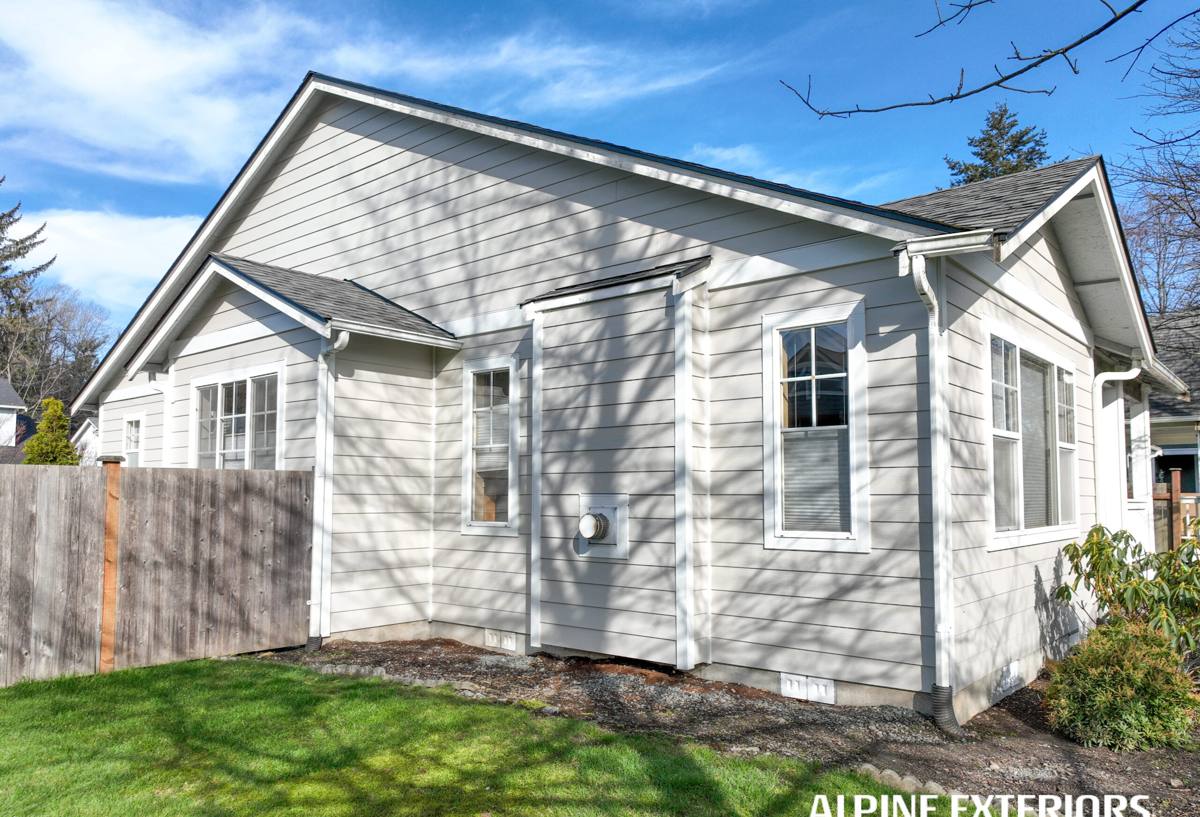
Why Ferndale's Climate Is Harder on Roofs Than It Looks
On paper, Whatcom County doesn't get extreme weather. There's no hail belt, no hurricane risk, no heavy snow load most winters. What it does have is persistence — months of low-intensity rain, wind that regularly comes sideways off the water, and humidity that rarely lets a roof fully dry out between storms. That combination is deceptively hard on asphalt shingles.
Salt Air and Corrosion
Homes closer to Ferndale's western edge and along the water get more airborne salt than homes further inland. Salt accelerates corrosion on exposed metal — nail heads, flashing, drip edge, and vent stacks. A roof built with standard fasteners and thin flashing in this environment will show rust streaks and early flashing failure years before a roof built with corrosion-resistant materials in the same spot.
Wind-Driven Rain
Rain that comes straight down is easy for any roof to shed. Rain that comes in sideways, pushed by wind off open ground or water, gets under shingle tabs and into any gap in the flashing that a calmer climate would never expose. This is the single biggest reason Ferndale roofs fail at the edges, valleys, and penetrations before the shingle field itself ever wears out.
Moss and Prolonged Moisture
Whatcom County's moss season isn't a few weeks — it's most of the year on roofs that stay shaded or don't get enough sun and airflow to dry out. Moss holds moisture against the shingle surface, lifts tabs as it grows, and works its way toward the deck if it's left unaddressed. It's less a cosmetic issue than an early sign that a roof section isn't drying properly.
What a Correctly Installed Roof Looks Like Here
A shingle roof that's built for this environment isn't a different product — it's the same asphalt shingle system installed with more attention paid to the parts that fail first locally. That means:
- Corrosion-resistant flashing and fasteners at valleys, walls, and penetrations, not just at the field of the roof
- Ice-and-water or self-adhering membrane at eaves, valleys, and around penetrations, not only where code requires it
- Starter strip and edge metal installed to resist wind-driven rain getting up under the first course
- Proper nailing pattern and nail placement — high-wind performance depends on this more than on the shingle brand
- Ridge and soffit ventilation sized to let the attic and roof deck actually dry out between storms
- Ridge caps and hip lines sealed and fastened to hold up under sustained wind exposure
None of this is exotic. It's standard manufacturer installation practice applied without shortcuts — the difference between a roof that's "up to code" and one that's built for the specific way Ferndale weather attacks a roof.
Shingle Options and How They Perform Locally
Most Ferndale homes are well served by a mid- to upper-tier architectural (laminated) shingle. Three-tab shingles are less expensive but have a flatter profile and lighter wind rating, which matters more here than in a calmer climate. Impact-rated and algae-resistant shingle lines cost more up front but address two of the specific problems this area creates.
| Shingle Type | Typical Wind Rating | Moss/Algae Resistance | Best Fit for Ferndale |
|---|---|---|---|
| 3-tab shingle | Lower | Standard, no built-in resistance | Budget re-roofs on sheltered lots |
| Standard architectural shingle | Moderate to high | Standard unless algae-resistant line specified | Most Ferndale homes |
| Algae-resistant architectural shingle | Moderate to high | Copper- or zinc-infused granules resist streaking and slow moss/algae growth | Shaded lots, homes with a history of moss |
| Impact-rated architectural shingle | High | Often paired with algae resistance | Exposed, wind-heavy lots |
We don't push homeowners toward the most expensive line by default. We look at how exposed the lot is, how much shade the roof gets, and what the existing roof's failure pattern tells us, then recommend the shingle tier that actually matches those conditions.
Where Ferndale Roofs Actually Fail First
In our experience working this area, shingle roofs rarely fail because the shingles themselves wore out evenly across the field. They fail at specific weak points, usually years before the rest of the roof is due:
- Valleys where water volume concentrates and wind-driven rain pushes under poorly lapped material
- Flashing around chimneys, skylights, and wall step-flashing where corrosion or poor sealing lets water in
- North-facing or tree-shaded slopes where moss establishes and holds moisture longest
- Eaves and rakes where wind gets under the edge if starter strip and drip edge weren't installed tight
- Fasteners that have started to corrode and back out, loosening shingles in the next windstorm
An inspection that only looks at the shingle field and misses these points will miss the actual cause of most leaks in this area.
Our Installation Process
The process itself isn't unusual — it's the same asphalt shingle installation any reputable crew follows. What we don't skip is the prep and the details that matter for this climate.
- Inspection and estimate. We look at the current roof, the deck condition where visible, ventilation, and the specific exposure of your lot — sun, shade, wind direction, proximity to open water or farmland.
- Tear-off and deck check. Old roofing comes off down to the deck so we can actually see its condition, not guess at it. Any soft or damaged decking gets replaced before anything goes back down.
- Underlayment and water barrier. Self-adhering membrane goes at eaves, valleys, and penetrations; synthetic underlayment covers the rest of the field.
- Flashing. New flashing at all walls, chimneys, and penetrations — we don't reuse old flashing on a full re-roof.
- Shingle installation. Correct nailing pattern, starter strip, and course alignment, following manufacturer specs for wind performance.
- Ventilation check. We confirm intake and exhaust ventilation are balanced so the new roof can dry out properly year-round.
- Final walkthrough. We go over the finished roof with you, including care and moss-prevention notes specific to your lot.
Timeline and What to Expect
Most single-family asphalt shingle re-roofs in this area take one to three days on site, weather permitting — and weather permitting is a real qualifier here, not a formality. We schedule with enough flexibility to work around Whatcom County's rain patterns rather than rushing a roof onto a deck in poor conditions, which is its own cause of early failure.
Maintenance That Actually Matters Here
A correctly installed roof still needs a small amount of attention in this climate to reach its full lifespan:
- Keep gutters and valleys clear so wind-driven rain has somewhere to go
- Address moss early — soft washing or manual removal before it lifts shingle tabs, not after
- Trim back overhanging branches that keep sections of the roof shaded and slow to dry
- Have flashing and fasteners checked periodically, especially on homes closer to the water where salt exposure is higher
- Confirm attic ventilation isn't blocked by insulation or storage, since poor airflow speeds up moss growth and shingle aging alike
Why It Matters That We Already Work in Ferndale
A crew that mostly works dry, inland climates will build a technically correct roof that still underperforms here, because the manufacturer minimums for flashing, ventilation, and edge protection aren't tuned to sideways rain and near-constant moss pressure. A crew that already works this stretch of Whatcom County knows which slopes on which lots tend to hold moss, which exposures need the extra attention at valleys and edges, and which shortcuts simply don't hold up two winters from now. That local pattern recognition is worth more than any single product spec sheet.
Get a Straightforward Estimate
If you're dealing with moss buildup, a roof that's leaking at a valley or chimney, or you're just past due for a straight answer on whether your current roof still has years left in it, we're happy to take a look. Fill out the form below for a free, no-pressure estimate on asphalt shingle roofing for your Ferndale home.