 Bellingham Roofing
 Asphalt Shingle Roofing Built for Sunnyland's Weather
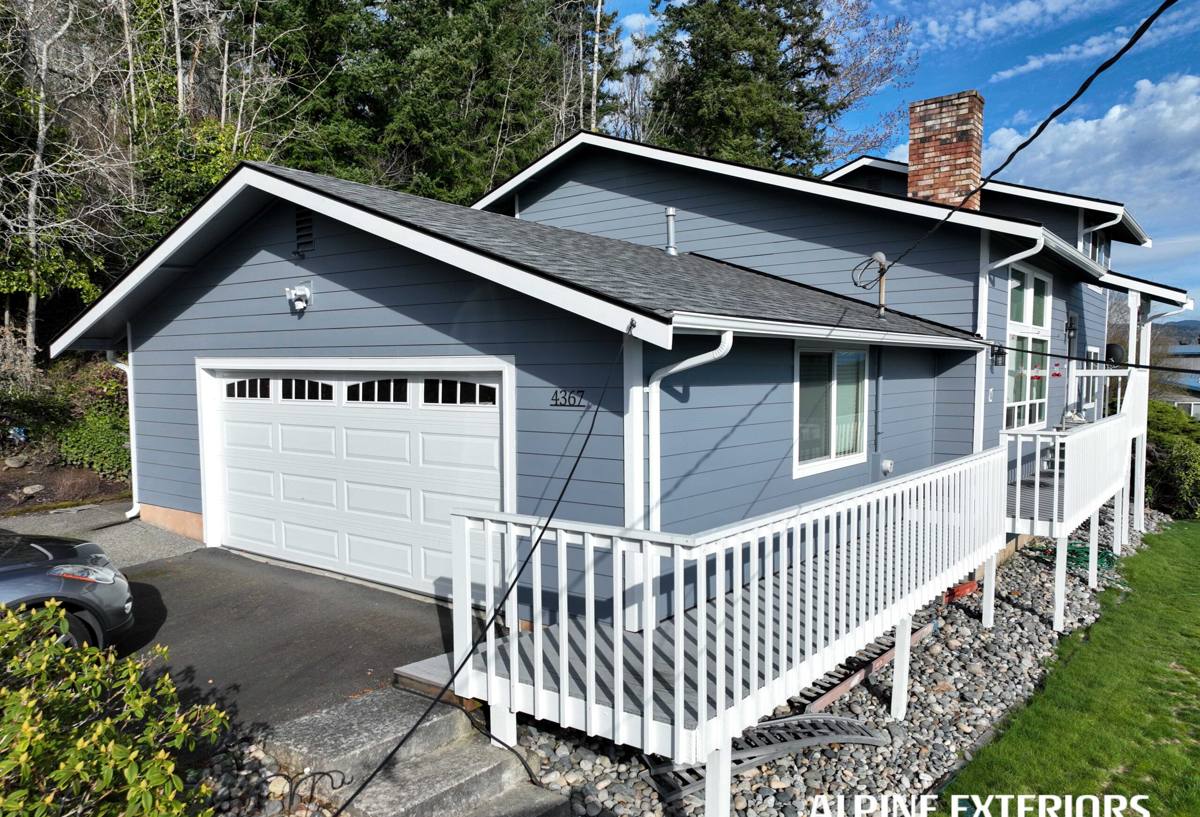
Sunnyland sits close enough to Bellingham Bay that homes here take on a specific combination of punishment: salt-laden air drifting off the water, driving rain that comes in sideways during winter storms, and a moss season that can run from October well into spring. None of that is unique to one street or one block in the neighborhood — it's the shared reality of anyone roofing in this part of Whatcom County. An asphalt shingle roof that's installed correctly for these conditions will outlast one that was installed the same way you'd install it in a dry inland climate.
We work on asphalt shingle roofs throughout Sunnyland regularly, which means we're not guessing at how a given product or detail holds up here — we're watching it happen year after year on homes a few minutes from the next job. That local pattern recognition matters more with asphalt shingles than people expect, because shingle roofing fails less often from the shingle itself and more from how the details around it were handled.
What Sunnyland's Climate Actually Does to a Roof
Salt Air and Metal Components
Proximity to Bellingham Bay means airborne salt reaches roofs in Sunnyland more than it would further inland. Salt doesn't damage the asphalt shingles themselves much, but it accelerates corrosion on exposed metal — nails, flashing, vent caps, and gutter hardware. A roof that uses bargain fasteners or thin, uncoated flashing will show rust streaks and early failure at those metal points well before the shingles themselves are due for replacement.
Driving Rain and Wind-Driven Water
Pacific storms don't just drop rain straight down here — wind pushes it sideways and up under shingle edges, especially at eaves, valleys, and anywhere two roof planes meet. A roof that would perform fine in a calmer climate can leak in Whatcom County simply because the underlayment and flashing weren't built to handle water moving in more than one direction.
Moss, Algae, and Shade
Bellingham's long wet season and the tree cover common around Sunnyland create ideal conditions for moss and algae growth on roofing. Moss holds moisture against the shingle surface, lifts shingle edges as it grows, and works its way under tabs over time. Left unchecked for a few seasons, it can shorten a shingle roof's life significantly — not because the shingles were bad, but because moisture had a place to sit instead of shedding off.
What a Correct Asphalt Shingle Job Involves
A shingle roof is a system, not a single layer of material. Here's what needs to happen underneath and around the shingles for the roof to actually perform in this climate:
- Deck inspection and repair — any soft, delaminated, or water-damaged sheathing gets replaced before anything goes back on. Shingles laid over a compromised deck will never sit right or seal properly.
- Ice-and-water shield at vulnerable points — eaves, valleys, and roof-to-wall transitions get a self-adhering waterproof membrane, not just felt paper, because these are exactly the spots wind-driven rain targets.
- Synthetic underlayment across the field — a durable, water-resistant layer under the shingles that acts as the roof's real waterproofing backup if wind ever gets under a shingle edge.
- Proper flashing at every penetration and joint — chimneys, skylights, plumbing vents, and sidewall intersections all need correctly formed, corrosion-resistant flashing, not just a bead of sealant.
- Balanced attic ventilation — intake at the eaves and exhaust at the ridge, sized to the attic, so moisture and heat don't build up and cook the shingles or underlayment from underneath.
- Correct nailing pattern — the right number of nails, in the right location on each shingle, driven flush rather than over- or under-driven. This single detail is one of the most common places corners get cut, and it's the biggest factor in wind resistance.
Our Process for a Sunnyland Roof
The order of operations matters as much as the materials. Here's how a typical asphalt shingle replacement runs:
- On-site inspection — we look at the existing roof, the attic, and the deck condition, and talk through what we're actually seeing rather than assuming a full tear-off is needed before we've looked.
- Written estimate — a clear scope of work and cost, so there's no ambiguity about what's included before anything starts.
- Tear-off and deck assessment — old roofing comes off down to the deck, and any damaged sheathing is identified and addressed at that point, not discovered later.
- Underlayment and flashing installation — the waterproofing layer goes down correctly before a single shingle is laid.
- Shingle installation — laid to manufacturer spec for nailing, exposure, and sealing, with attention to valleys, ridges, and edges.
- Cleanup and magnetic sweep — debris and stray nails are cleared from the yard and driveway before we consider the job finished.
- Final walkthrough — we go over the finished roof with the homeowner so there are no surprises.
Choosing the Right Shingle for This Climate
Not every asphalt shingle product performs the same way under Bellingham's rain load and moss pressure. The two main categories homeowners choose between are three-tab and laminate (architectural) shingles.
| Factor | Three-Tab Shingles | Laminate (Architectural) Shingles |
|---|---|---|
| Construction | Single layer, uniform thickness | Multiple layers laminated together |
| Wind resistance | Lower — more vulnerable to lifting in coastal wind | Higher, due to thicker, layered construction |
| Moss/algae resistance options | Limited | Widely available with algae-resistant granules |
| Typical warranty | Shorter | Longer, with better wind-warranty terms |
| Upfront cost | Lower | Moderate premium over three-tab |
Given the wind-driven rain and moss exposure common in Sunnyland, we generally recommend laminate shingles with algae-resistant granules for full replacements. Three-tab shingles aren't a bad product, but their thinner profile and lower wind ratings mean they carry more risk in this specific climate, and we're honest with homeowners about that trade-off rather than defaulting to whatever is cheapest to install.
What Affects the Cost of a Shingle Roof
Every roof is different, so we don't quote sight-unseen, but these are the main factors that move the price up or down on a typical Sunnyland home:
| Factor | Why It Matters |
|---|---|
| Roof size and pitch | More surface area and steeper pitches take more material and more time, and steep pitches require added fall-protection measures |
| Number of layers to remove | Tearing off multiple existing layers costs more than a single-layer tear-off |
| Deck condition | Rotted or soft sheathing found during tear-off needs replacement before shingles go down |
| Shingle grade chosen | Three-tab, standard laminate, and premium laminate products carry different material costs |
| Roof complexity | Valleys, dormers, skylights, and multiple planes add labor and flashing work |
| Ventilation upgrades | Adding or correcting intake/exhaust venting is sometimes needed and adds to scope |
Because of these variables, honest asphalt shingle roofing costs in this area typically span a broad range depending on size and condition. We'll give you a firm number in writing after we've actually looked at your roof, not a phone-quote guess.
Signs a Sunnyland Roof Needs Attention
Asphalt shingle roofs give warning signs before they fail outright. Worth a look if you notice any of the following:
- Granules collecting in gutters or at the base of downspouts
- Shingle edges curling, cupping, or lifting, especially on south- and west-facing slopes
- Visible moss growth, even if it looks minor
- Dark streaking across the roof surface (algae growth)
- Soft spots or sagging when walked on or viewed from the ground
- Daylight visible through the attic roof boards
- Water stains on interior ceilings, especially after a windy storm
- Missing or torn shingles after a wind event
Catching these early is almost always cheaper than waiting for an interior leak, since moisture that's been getting into a deck for a season or two often means added sheathing repair by the time it's addressed.
Maintaining a Shingle Roof Through Moss Season
Even a well-installed roof needs some seasonal attention here. Keeping gutters clear so water actually drains off the roof edge, trimming back overhanging branches to reduce shade and debris buildup, and having moss physically removed rather than just treated with chemicals all extend a shingle roof's life. Pressure washing shingles is not something we recommend — it strips protective granules and can do more damage than the moss itself. A gentle, low-pressure moss removal approach protects the shingle surface while still clearing growth.
Why Local Experience in Sunnyland Matters
A roofing crew that already works in and around Sunnyland has a working knowledge of how homes in this specific pocket of Bellingham are built, what the tree cover and wind exposure typically look like block to block, and which failure points show up most often on roofs of a similar age here. That's different from general roofing knowledge — it's pattern recognition built from being on these roofs repeatedly, not just reading a manufacturer's install guide. It also means faster response if a storm causes damage, since we're not driving across the county to reach you, and familiarity with Whatcom County permitting and inspection expectations so there are no delays on that end.
Get a Free, No-Pressure Estimate
If your Sunnyland home's asphalt shingle roof is showing its age, or you just want an honest read on where it stands, we're glad to take a look. There's no cost and no pressure to move forward — just a straightforward assessment and, if it's warranted, a clear written estimate. Use the form below to get started.