 Bellingham Roofing
 South Hill's Exposure: Salt Air, Driving Rain, and a Long Moss Season
South Hill sits above downtown Bellingham with a clear line of sight to Bellingham Bay, and that elevation and exposure cut both ways. The same position that gives many South Hill homes their views also puts the siding on those homes squarely in the path of salt-laden air off the bay, wind-driven rain that comes in sideways during winter storms, and long stretches of shade and dampness that let moss and algae take hold on north- and west-facing walls. Whatcom County's marine climate doesn't have the freeze-thaw extremes of colder regions, but it makes up for it with sheer duration — siding here can stay wet for days at a time between fall and spring.
Older homes on South Hill, many built well before modern moisture-barrier standards, often have siding that was never detailed to handle this kind of sustained exposure. Paint fails faster near the water. Fasteners corrode in salt air. Wood-based products swell, split, or host moss in shaded pockets. None of this is unusual for the neighborhood — it's just the reality of building on a hillside above a saltwater bay in the Pacific Northwest, and it's exactly why the siding material and the installation details matter more here than they would on a dry, inland lot.
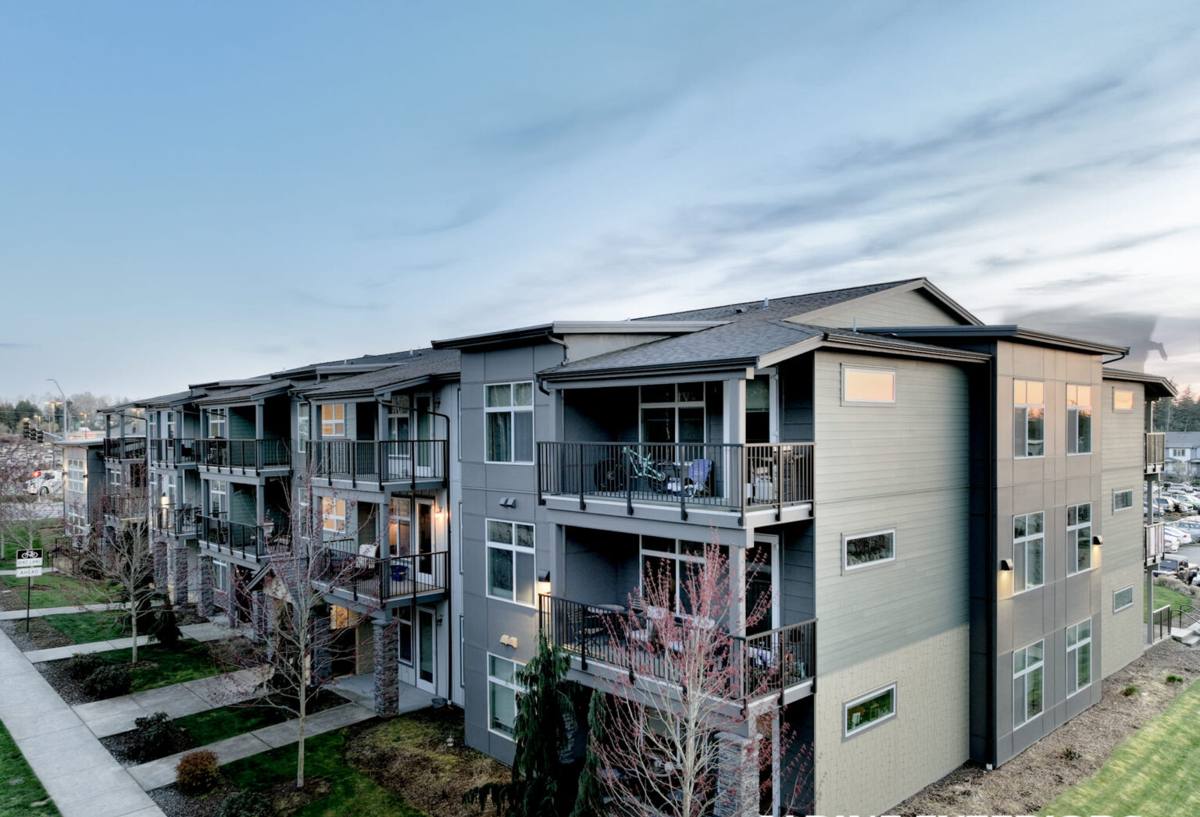
Why We Install Only James Hardie Fiber Cement Siding
We install one siding system on South Hill homes: James Hardie fiber cement. We don't install vinyl, LP SmartSide, Cemplank, Allura, primed spruce, or cedar, and that's a deliberate standard, not a lack of options. Fiber cement is non-combustible, which matters in a region that sees wildfire smoke and occasional wind events even this far west. It's engineered specifically for wet climates through Hardie's HZ5 product line, which is formulated to resist the moisture cycling that causes wood-based sidings to swell and crack over time. The factory-applied ColorPlus finish is baked on under controlled conditions, so it holds color and resists the chalking and peeling that field-applied paint struggles with in a climate this damp. Hardie also backs its products with a strong, transferable warranty — useful if you sell the home before the siding's working life is up.
None of that means fiber cement is maintenance-free or foolproof. It still depends entirely on correct installation — proper clearances, flashing, and fastening — to perform the way it's designed to. A well-installed lesser product can outlast a poorly installed premium one. We simply believe fiber cement, installed correctly, gives South Hill homeowners the best long-term outcome for what this climate throws at a house.
What Hardie Gets Right for This Climate
- Resists moisture absorption and swelling far better than wood-based or engineered-wood siding
- Won't ignite or contribute fuel in a fire, unlike wood and some engineered products
- Factory-cured ColorPlus finish holds up longer than field-applied paint in a wet, low-sun climate
- HZ5 formulation is specifically engineered for the moisture and humidity levels typical of Western Washington
Signs a South Hill Home May Need New Siding
Siding failure on South Hill tends to show up first on the walls that get the least sun and the most wind — often the north and west elevations facing the bay. Watch for these signs:
- Persistent moss or dark algae streaking that comes back within weeks of cleaning
- Soft or spongy spots when you press on the siding, especially near the bottom courses
- Paint that's peeling, bubbling, or chalking heavily on one side of the house more than others
- Visible warping, cupping, or separated seams in horizontal lap siding
- Gaps opening up around trim, windows, or corner boards
- A noticeable jump in heating costs, which can point to a compromised weather barrier behind the siding
Any one of these on its own might just need a repair. Several at once, especially on a home more than 20 years old, usually means the underlying moisture management has failed and full replacement is the more honest recommendation.
What a Correct Siding Installation Actually Involves
Moisture Management Comes First
The siding itself is the least important part of keeping water out of a wall — what's behind it matters more. A correct installation starts with a continuous weather-resistive barrier, properly lapped and taped at every seam, with flashing integrated at windows, doors, and any penetration through the wall. On a hillside home exposed to driving rain, we pay particular attention to head flashing above openings and to how water is directed away from the foundation at the base of the wall, since these are the details that fail first and cause the most hidden damage.
Fastening and Clearances
James Hardie publishes exact fastening and clearance specifications, and skipping them is the single most common cause of premature siding failure. That means the right nail type and spacing, siding held at least a few inches above grade, proper gaps at trim and corners to allow for expansion, and caulking only where Hardie's instructions call for it — not everywhere, since over-caulking can trap moisture instead of shedding it.
Comparing Siding Options South Hill Homeowners Consider
| Material | Moisture Performance | Fire Resistance | Maintenance | Typical Lifespan |
|---|---|---|---|---|
| Vinyl | Sheds water but can warp/buckle in heat and doesn't stop moisture at seams | Melts and contributes fuel | Low, but fades and becomes brittle over time | 15–25 years |
| Cedar / wood | Absorbs moisture; needs sealing and repainting to perform | Combustible | High — regular refinishing required | Varies widely with upkeep |
| Engineered wood | Improved over raw wood but still moisture-sensitive at cut edges | Combustible | Moderate — edge sealing and paint upkeep matter | 20–30 years with diligent care |
| James Hardie fiber cement | Engineered for wet climates (HZ5); stable when installed to spec | Non-combustible | Low — occasional cleaning and caulk checks | 30+ years installed correctly |
This isn't a knock on every other product on this list — each has legitimate uses and reasonable homeowners choose them for reasons that make sense for their budget or their home. It's simply why, weighing this specific climate against the trade-offs, we standardized on one material and stopped installing the rest.
Our Installation Process
- On-site assessment — we look at your current siding, the sheathing underneath where accessible, and the specific exposure of each wall, since a bay-facing wall on a hillside lot often needs different attention than a sheltered side.
- Removal and inspection — old siding comes off and we inspect the sheathing for rot or damage before anything new goes up. Hidden problems get addressed here, not covered over.
- Weather barrier and flashing — a continuous, correctly lapped weather-resistive barrier goes on, with flashing detailed at every window, door, and penetration.
- Hardie installation — panels or lap siding go up to Hardie's published fastening schedule and clearance requirements, not shortcuts.
- Trim, caulking, and touch-up — corners and trim are finished, caulk is applied only where specified, and any factory-finish touch-up is done with Hardie-matched product.
- Final walk-through and cleanup — we review the finished work with you and clear the site of debris and old material.
Cost Factors for South Hill Siding Projects
| Factor | Why It Affects Cost |
|---|---|
| Home size and number of stories | More square footage and taller walls mean more material and labor, plus added access equipment on hillside lots |
| Condition of existing sheathing | Hidden moisture damage found during tear-off needs repair before new siding goes on |
| Removal of old siding | Layers of old paint, multiple prior siding types, or asbestos-era materials can add time and disposal cost |
| Trim and architectural detail | Homes with more corners, gables, and trim work require more cutting, fitting, and finishing time |
| Access and site conditions | Steep or narrow hillside lots can require additional staging and scaffolding |
We walk every project through these factors during the estimate so there are no surprises once work starts — a written scope beats a rough guess every time.
Why Hire a Crew That Already Works in South Hill
A crew that regularly works this neighborhood already knows what to expect: hillside access constraints, older homes with mixed construction histories, and the specific pattern of moisture and shade that drives moss growth on bay-facing walls. That familiarity shows up in small but real ways — knowing to check for hidden rot in certain wall assemblies common to the area's older housing stock, understanding how Whatcom County's permitting process handles exterior work, and planning installation schedules around the region's wet-season timing rather than fighting it. It also means a crew that isn't learning the neighborhood's quirks on your project.
Caring for Hardie Siding After Installation
Correctly installed fiber cement siding is low-maintenance, not no-maintenance. A little attention keeps it performing for its full working life in a climate that stays wet as long as this one does.
- Rinse moss and algae buildup gently at least once a year, more often on shaded or bay-facing walls
- Check caulking at trim and window edges annually and re-caulk any cracked or separated joints
- Keep gutters and downspouts clear so water isn't running down the siding face
- Trim back vegetation and tree cover to let walls dry out between rain events
- Watch for any impact damage and have it patched promptly to keep the weather barrier intact
If you're weighing a siding replacement on South Hill and want a straight answer about what your home actually needs, we're glad to come take a look. The estimate is free, there's no pressure, and you'll get a clear, honest scope of work before you decide anything.