 Bellingham Roofing
 Asphalt Shingle Roofing for Sudden Valley Homes
Sudden Valley sits in one of the more heavily wooded, lake-adjacent pockets of Whatcom County, and that setting is exactly what makes roofing here different from a straightforward in-town job. Between the tree canopy, the humidity that sits over the water, and the general wear that comes with Bellingham's long wet season, an asphalt shingle roof in this neighborhood works harder than one on an open, sun-exposed lot. It's still a good, cost-effective roofing choice for most homes here — but only when it's specified and installed with this specific environment in mind.
This page covers what that actually means: the conditions your roof is up against, what a correctly built shingle roof looks like for a shaded, damp property, how we approach the job, and why local experience in this particular neighborhood matters more than it might seem.
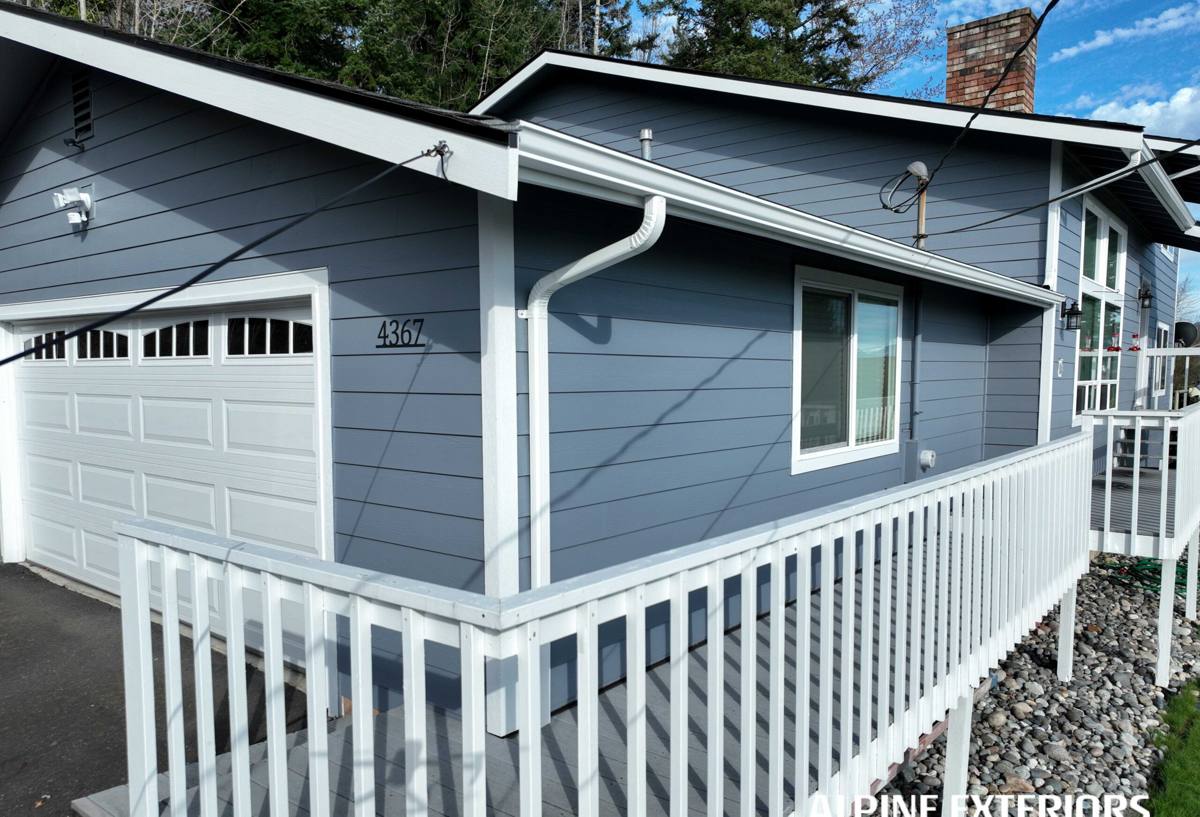
What Sudden Valley Roofs Are Actually Up Against
Whatcom County's marine climate means driving rain, long stretches of overcast humidity, and a moss season that can run most of the year in shaded spots. Salt air off the Puget Sound side of the region accelerates corrosion on exposed metal fasteners and flashing across Whatcom County generally, and while Sudden Valley sits back from the water on Lake Whatcom, the same damp, mineral-laden air still reaches roofing hardware here over time. Add in a heavy tree canopy — a defining feature of this neighborhood — and you get a roof surface that stays wet and shaded longer after every rain than a comparable roof out in the open.
The tree canopy is the bigger local factor
More than salt air, the single biggest variable for a Sudden Valley roof is shade. Needles and leaf debris collect in valleys, around penetrations, and along the eaves. That debris holds moisture against the shingle surface, which is exactly the condition moss and algae need to establish. Once moss gets a foothold under a shingle's edge, it lifts the tab, breaks the seal, and lets water track underneath — which is how a moss problem quietly becomes a leak problem.
Longer dry-out time
A roof out in full sun sheds water and dries within a few hours after rain stops. A shaded roof under mature trees can stay damp for a day or more, especially through fall and winter. That extended wet time is hard on shingle granules, on any wood decking that's already marginal, and on ventilation components that aren't sized to move enough air through a roof that rarely gets to dry.
What a Correctly Built Shingle Roof Needs Here
A shingle roof that's going to hold up in this environment needs a few things done right that a fair-weather installation can skip and still pass a casual look. None of this is exotic — it's just not optional here the way it might be in a drier climate.
- Ice-and-water shield membrane at eaves, valleys, and around every penetration — not just where code minimums require it
- Balanced intake and exhaust ventilation sized for the actual roof, not a generic ridge vent dropped on without checking soffit intake
- Step flashing and counterflashing at every wall and chimney intersection, not roofing cement used as a substitute
- Algae-resistant shingle granules, given how much shade and moisture this property type sees
- Properly lapped underlayment as a genuine second line of defense, not just a code-check formality
- Drip edge on all eaves and rakes to keep water off the fascia
Skip any one of these and the roof will likely still look fine on installation day. The problems show up two, five, or eight years later — as moss colonies, soft decking, or a leak that traces back to a valley that was never properly lined.
Choosing the Right Shingle for a Shaded, Damp Lot
Not every shingle line is built the same way, and for a wooded, humid property the differences matter more than the price tag alone suggests. Here's how the common tiers stack up for a home like the ones in Sudden Valley:
| Shingle Type | Typical Lifespan | Algae Resistance | Best Fit |
|---|---|---|---|
| 3-tab (economy) | 15–20 years | Limited or none unless specified | Budget-driven projects, less shaded lots |
| Architectural (standard) | 25–30 years | Usually available as an upgrade | Most Sudden Valley homes — the practical default |
| Premium / designer | 30+ years, often with stronger wind rating | Standard on most premium lines | Steep, highly visible, or heavily shaded roofs |
For most properties in this neighborhood, a mid-to-upper architectural shingle with algae-resistant granules is the right balance — it costs more up front than 3-tab but meaningfully delays the moss and staining cycle that shaded roofs are prone to, which saves on maintenance and re-roofing frequency over the life of the house.
Our Installation Process
We run the same disciplined process on every shingle roof, but a Sudden Valley job gets extra attention at a few specific points because of the tree cover and moisture exposure.
- Inspection and tear-off: We check the decking once the old shingles are off — this is where soft or delaminated plywood from long-term moisture exposure actually gets found, not guessed at from the ground.
- Deck repair: Any compromised sheathing gets replaced before anything else goes down. Building over bad decking is how a new roof fails early.
- Underlayment and ice-and-water shield: Full membrane coverage at eaves, valleys, and penetrations, with synthetic underlayment across the field.
- Flashing: New step flashing, counterflashing, and drip edge — old flashing gets reused only when it's genuinely still sound, not by default.
- Ventilation check: We confirm intake and exhaust are balanced for the roof's actual square footage before shingles go on, since this is the step most likely to get skipped on a rushed job.
- Shingle installation: Installed to manufacturer spec for nail pattern, exposure, and starter course — the details that determine whether the warranty is actually valid.
- Cleanup and final walk-through: Magnetic sweep for debris, and a walk-through so you understand what was done and why.
Moss, Algae, and Ongoing Maintenance
Even a well-built roof in a shaded, lake-adjacent setting needs periodic attention — that's just the nature of the site, not a sign anything was done wrong. The goal is catching small issues before they become water intrusion.
- Clear needles, leaves, and debris from valleys and gutters at least once or twice a year, more often under heavy conifer cover
- Have moss physically removed rather than left to spread — scraping and low-pressure treatment, not pressure washing, which can strip granules
- Keep overhanging branches trimmed back where reasonable to reduce shade and debris load on the roof surface
- Check flashing and sealant points annually, since these fail well before the shingle field typically does
- Address any interior staining or attic moisture signs right away — they're almost always easier and cheaper to fix early
Repair or Replace? What to Weigh
Not every issue on a shaded roof means a full replacement. A localized leak from a single failed flashing detail is a repair. Widespread granule loss, multiple soft spots in the decking, or moss that's established itself under shingles across large sections of the roof usually point toward replacement being the more sensible long-term move. The honest answer depends on the roof's age, how it was originally built, and how much of the damage is isolated versus systemic — which is why a real inspection matters more than a guess based on age alone.
Why Local Sudden Valley Experience Matters
A crew that already works in this neighborhood knows the pattern before they climb the ladder: which roof lines tend to hold moisture longest, how much ventilation a heavily shaded roof actually needs versus the code minimum, and where moss problems typically start. That's not something you can fully substitute with a generic estimate written from a photo. It also means practical logistics — access on wooded, sometimes narrow lots, debris disposal, and working around mature trees — are already familiar rather than being figured out on the fly.
Whatcom County's roofing conditions aren't unusually harsh, but they are consistent: rain, humidity, and shade add up over years, not overnight. A roof specified and installed for that reality holds up. One installed the same way it would be in a dry, open climate tends to show its age early — usually as moss, then as a leak.
Getting an Honest Look at Your Roof
If you're dealing with visible moss, granule loss in the gutters, or you just know your roof is getting up in years, the most useful next step is a straightforward, no-pressure look at what's actually going on — not a sales pitch. We'll tell you plainly whether you're looking at a repair, a few more years of maintenance, or a replacement, and what that would realistically involve for a home in Sudden Valley's conditions. Use the form below to request a free estimate.