 Bellingham Roofing
 Why Cordata Roofs Age Differently Than You'd Expect
Cordata sits in north Bellingham, close enough to Bellingham Bay and the Salish Sea that salt-laden air is a real factor in how roofing materials hold up here, and far enough into Whatcom County's marine climate that rain rarely lets up for long between October and May. Add in the mature tree canopy that shades many of the neighborhood's streets and lots, and you get a roofing environment that's tougher on asphalt shingles than a lot of homeowners realize. A shingle roof that would coast through 25 years in a dry inland climate can show real wear here by year 15 or 18 if it wasn't installed with this specific mix of conditions in mind.
None of this means asphalt shingles are the wrong choice for a Cordata home — they remain one of the most practical, cost-effective options available, and the vast majority of homes in this part of Bellingham use them. It means the installation details matter more here than in a milder climate, and cutting corners on underlayment, ventilation, or flashing shows up faster in Whatcom County than it would somewhere drier.
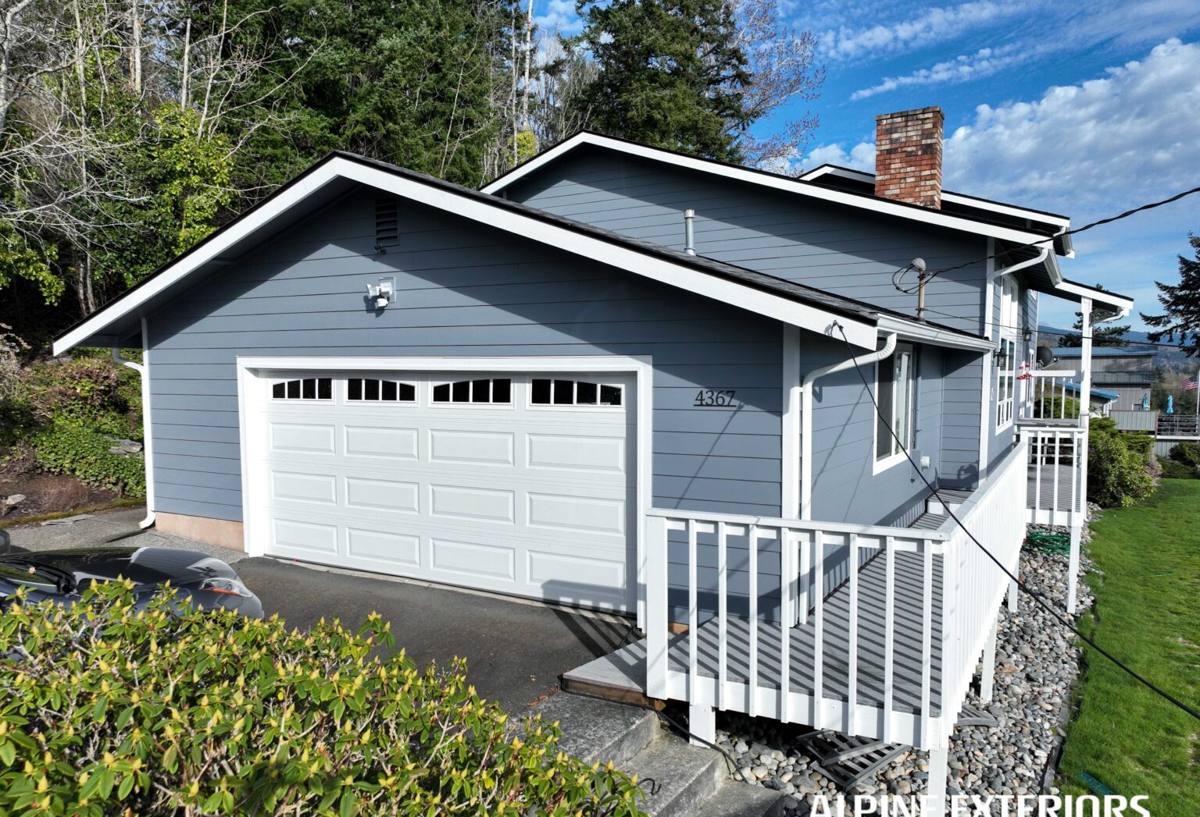
What Driving Rain and Salt Air Actually Do to a Shingle Roof
Wind-Driven Rain
Storms rolling in off the water don't just drop rain straight down — they push it sideways, which forces water up and under shingle edges, into valleys, and around any flashing that isn't sealed correctly. A roof built for a calmer climate often skips or skimps on the underlayment and flashing details that stop wind-driven rain from finding its way to the roof deck. Over time, that shows up as soft spots, staining on interior ceilings, or rot at the eaves long before the shingles themselves are worn out.
Salt Air and Metal Components
Proximity to the bay means airborne salt settles on roofing surfaces and accelerates corrosion of exposed metal — nail heads, flashing, vent caps, and gutter hardware all corrode faster here than they would twenty or thirty miles inland. Standard electro-galvanized fasteners can start showing rust streaks in well under a decade in this environment. It's a small detail that gets overlooked constantly, and it's one of the first things we check on an older Cordata roof.
Moss, Algae, and Whatcom County's Long Wet Season
Why It Takes Hold So Easily Here
Bellingham's wet season runs long, and shaded, tree-covered lots — common throughout Cordata — stay damp for extended stretches even between rain events. That combination is exactly what moss and algae need to establish themselves on a shingle roof. North-facing slopes and roof sections shaded by fir and cedar trees are usually the first places we see growth start, sometimes within just a few years of a new roof going on if the roof wasn't set up to resist it.
Why It's More Than Cosmetic
Moss doesn't just look bad — it holds moisture against the shingle surface, works its root structure under shingle edges and tabs, and gradually lifts and displaces granules and shingle mat. Left unaddressed for years, moss growth can shorten a roof's usable life significantly and create the exact conditions for leaks that a well-maintained roof wouldn't have. Algae staining (the dark streaking many homeowners assume is dirt) is a related but separate issue — it's a living organism feeding on limestone filler in older shingle formulations, and it spreads roof to roof through airborne spores.
What a Correctly Built Asphalt Shingle Roof Looks Like in This Climate
A roof built for Cordata's conditions isn't a different product so much as a different level of attention to the details that matter here. That includes:
- Ice-and-water shield (self-adhering waterproof membrane) at eaves, valleys, and around every penetration — not just where code requires the minimum
- Synthetic underlayment rated for extended exposure, since Whatcom County weather can delay a tear-off from getting covered same-day
- Corrosion-resistant fasteners and flashing suited to a salt-air environment, not the cheapest galvanized option available
- Algae-resistant shingles with copper- or zinc-infused granules on any section that will sit shaded or north-facing
- Properly sized and balanced intake and exhaust ventilation, so moisture doesn't get trapped in the attic and work its way back up through the deck
- Step flashing and counterflashing at every wall intersection, chimney, and skylight — sealant alone is never a substitute for correctly lapped metal
Skipping any one of these doesn't necessarily fail an inspection or void a manufacturer warranty on day one, but it's almost always where the early problems start on roofs we're called out to repair.
Choosing the Right Shingle Tier for a Cordata Home
Not every home needs the most expensive shingle on the market, but in this climate the cheapest tier usually costs more over time. Here's how the common options compare for a moss-prone, wind-and-rain-exposed lot:
| Shingle Tier | Typical Lifespan Here | Moss/Algae Resistance | Best Fit |
|---|---|---|---|
| 3-Tab (economy) | 12–18 years | Low unless treated | Budget-limited projects, secondary structures |
| Standard Architectural | 20–25 years | Moderate, better with AR granules | Most Cordata homes |
| Premium/Designer Architectural | 25–30+ years | High with AR granules and heavier mat | Shaded lots, resale-focused projects |
| Impact-Rated (Class 4) | 25–30+ years | High, varies by manufacturer line | Homes wanting insurance premium credits where offered |
Lifespan ranges above assume proper installation and reasonable maintenance — the same shingle installed without adequate ventilation or flashing will underperform its rated life regardless of tier.
Our Process for a Cordata Re-Roof
We keep the process straightforward and communicate at each stage, since a roof replacement is disruptive enough without surprises:
- On-site inspection and estimate — we walk the roof (weather permitting) and check the attic for ventilation, moisture, and deck condition before quoting anything
- Material selection — we walk through shingle tiers and color options based on your home's exposure, shading, and budget
- Tear-off — full removal of old roofing down to the deck, with any damaged or soft sheathing identified and replaced, not covered over
- Deck prep and underlayment — ice-and-water shield at vulnerable areas, synthetic underlayment across the field
- Flashing and ventilation — new step flashing, counterflashing, and intake/exhaust vents installed or corrected as needed
- Shingle installation — installed to manufacturer specification for nail placement and pattern, which is what keeps the warranty valid
- Cleanup and magnetic sweep — job site and yard cleared of debris and stray fasteners
- Final walkthrough — we review the finished roof with you before calling the job complete
Ventilation: The Detail That Prevents Most Callbacks
In a climate as wet as Whatcom County's, attic ventilation isn't optional trim — it's what keeps moisture from condensing under the deck and feeding rot, mold, and premature shingle failure from underneath. Balanced ventilation means intake at the soffits roughly matches exhaust at the ridge, so air actually moves through the attic instead of short-circuiting near one end. On many older Cordata homes we inspect, ventilation was never properly balanced to begin with — often because insulation was added over the years and blocked the soffit intake without anyone noticing. Correcting this during a re-roof is one of the highest-value things we do on every project, even though it's invisible once the job is finished.
Maintenance That Actually Extends a Cordata Roof's Life
A well-built roof still needs basic upkeep in this climate. The checklist below covers what we recommend to homeowners after a new install, and what we check during any service call:
- Clear gutters and downspouts at least twice a year — clogged gutters back water up under the shingle edge
- Trim back tree limbs that overhang or brush against the roof surface, which keeps shaded areas drier and reduces debris buildup
- Have moss physically removed (not just chemically treated) if it appears, before it has a chance to lift shingle edges
- Check attic ventilation isn't blocked by insulation, stored items, or nesting debris
- Schedule a visual inspection after any major windstorm, since lifted or cracked shingles aren't always visible from the ground
- Address small leaks or stains immediately — in this climate, a small entry point becomes a bigger repair fast
Why a Crew That Already Works in Cordata Makes a Difference
Roofing crews who work regularly in this specific part of Bellingham know which streets sit in heavier tree shade, which lots catch the worst of the wind off the bay, and which older subdivisions tend to have the same ventilation shortcuts from their original construction. That local pattern recognition means fewer surprises once tear-off starts and a more accurate estimate up front, instead of change orders discovered mid-project. It also means we're a short drive away if a warranty question or storm-related concern comes up after the job is done — not a crew that has to travel in from outside the county.
If your roof is showing moss, granule loss, or you're simply due for a replacement, we're happy to take a look and give you a straightforward, no-pressure estimate using the form below.